Urgent call to protect scientific integrity in policy
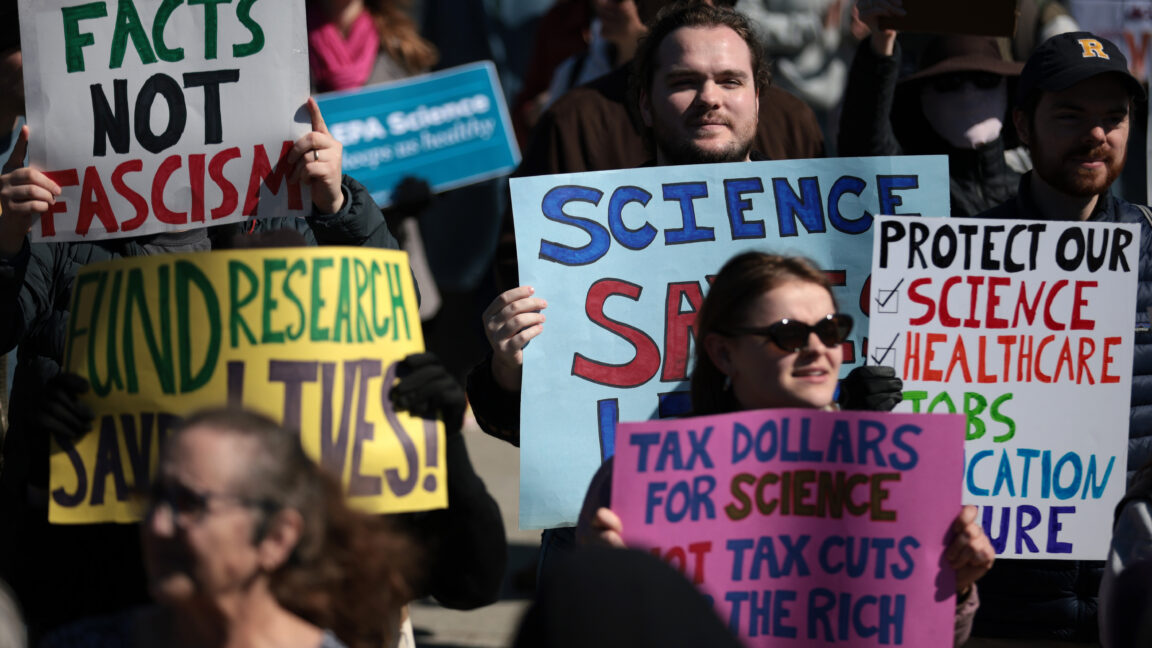
💡Proposed policy changes could politicize scientific research, directly impacting AI safety and data regulation standards
⚡ 30-Second TL;DR
What Changed
Proposed rules may allow political appointees to oversee scientific research processes.
Why It Matters
If implemented, these rules could undermine the objectivity of government-funded AI research and data standards. It may lead to biased regulatory frameworks that impact how AI models are evaluated and deployed.
What To Do Next
Review the proposed rule on the Federal Register and submit a formal comment regarding its potential impact on scientific independence.
Key Points
- •Proposed rules may allow political appointees to oversee scientific research processes.
- •The editorial warns of the long-term dangers of politicizing scientific evidence.
- •Public comment periods are currently open for citizens to voice their opposition.
🧠 Deep Insight
AI-generated analysis for this event — not the original article.
🔑 Enhanced Key Takeaways
- •The proposed regulatory changes specifically target the 'Scientific Integrity Policy' framework, aiming to redefine the role of agency heads in reviewing peer-reviewed studies before public release.
- •Critics argue the rule change mirrors previous efforts to implement 'Schedule F' style appointments, which would reclassify career civil servants as political appointees.
- •Scientific organizations, including the Union of Concerned Scientists, have formally petitioned the Office of Management and Budget (OMB) to block the implementation of these oversight protocols.
- •Internal agency memos leaked to the press suggest that the new oversight mechanism would require a 'political clearance' step for all public-facing scientific communications.
- •The proposed rules would grant political appointees the authority to redact or delay the publication of climate and public health data if it conflicts with current administration policy goals.
🔮 Future ImplicationsAI analysis grounded in cited sources
⏳ Timeline
Weekly AI Recap
Read this week's curated digest of top AI events →
👉Related Updates
AI-curated news aggregator. All content rights belong to original publishers.
Original source: Ars Technica ↗
This is a summary, not the original. Read the source, or get the weekly briefing.
Weekly AI briefing
One email a week. Unsubscribe anytime.