UNSW develops ultrasonic cold-brew method reducing energy by 75%
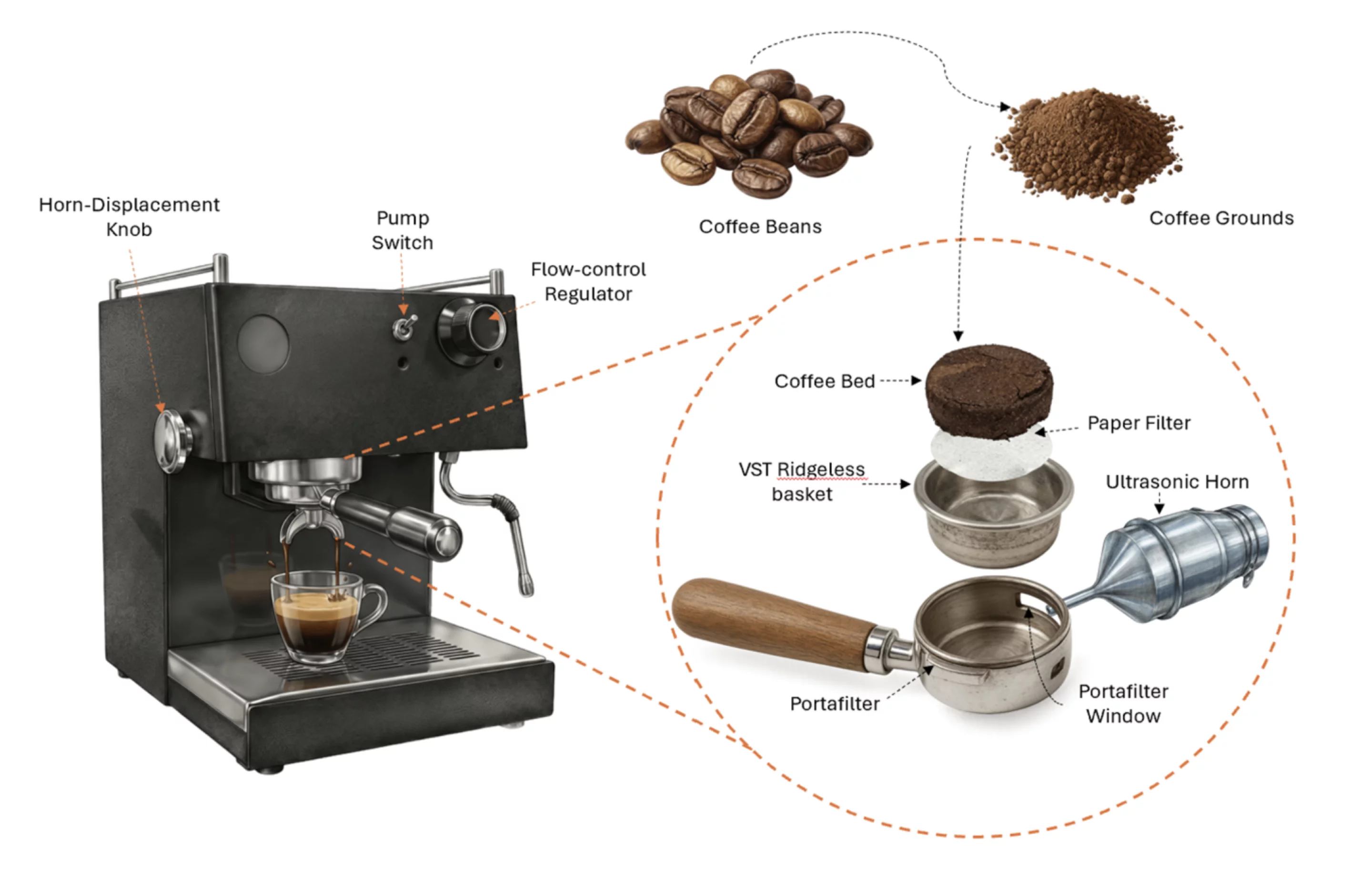
💡A breakthrough in energy-efficient industrial processing that could inspire AI-driven optimization in food tech.
⚡ 30-Second TL;DR
What Changed
Uses ultrasonic waves instead of high heat and pressure
Why It Matters
This research demonstrates how physical process optimization can lead to massive energy savings in food tech, a sector increasingly adopting AI-driven process control.
What To Do Next
Explore ultrasonic sensor data integration if you are building AI-driven industrial process automation systems.
Key Points
- •Uses ultrasonic waves instead of high heat and pressure
- •Reduces energy consumption by up to 75%
- •Significantly shortens production time for industrial applications
🧠 Deep Insight
Background and context from public sources — not the original article. 18 sources cited.
🔑 Enhanced Key Takeaways
- •The ultrasonic method can produce espresso-strength coffee with room-temperature water, achieving the same richness and concentration as traditional hot espresso in under three minutes.
- •Blind taste tests revealed that consumers could not reliably distinguish between ultrasonic espresso and traditional espresso, and in some cases, participants even preferred the ultrasonic version for filter coffee, particularly noting its more pleasant bitterness.
- •Beyond speed and energy efficiency, the technology enhances the extraction of beneficial compounds, including polyphenols, chlorogenic acid, triglycerides, and antioxidants, potentially offering a healthier coffee.
- •The ultrasonic process can double the extraction yield and caffeine concentration compared to non-sonicated cold brew methods.
- •The system is designed to be adaptable to existing espresso machines, suggesting potential for future integration into home appliances and on-demand production in coffee shops, eliminating the need for large brewing units and extensive refrigeration for cold brew.
🛠️ Technical Deep Dive
- The method relies on acoustic cavitation, a phenomenon where high-frequency sound waves (typically between 20-40 kHz, with 38.8 kHz specifically mentioned for cold brew) create microscopic bubbles in the liquid.
- As these bubbles rapidly form and collapse near coffee particles, they generate intense localized heat and pressure, creating micro-jets of liquid.
- These micro-jets act like tiny scrubbing brushes, fracturing the coffee grounds and accelerating the transfer of flavor compounds, oils, and caffeine into the water.
- The UNSW system integrates a bolt-clamped Langevin transducer with a metallic horn, which couples high-intensity ultrasound directly into a standard espresso filter basket, transforming it into an ultrasonic reactor.
- Optimal brewing time for espresso-strength coffee is found to be between 2.5 and 3 minutes, while for cold brew, it ranges from 1 to 3 minutes, depending on desired characteristics.
- The process achieves optimal extraction yields (within the Specialty Coffee Association's 18-22% range for total dissolved solids) even with room-temperature water.
🔮 Future ImplicationsAI analysis grounded in cited sources
⏳ Timeline
📎 Sources (18)
Factual claims are grounded in the sources below. Forward-looking analysis is AI-generated interpretation.
Weekly AI Recap
Read this week's curated digest of top AI events →
👉Related Updates
AI-curated news aggregator. All content rights belong to original publishers.
Original source: cnBeta (Full RSS) ↗
This is a summary, not the original. Read the source, or get the weekly briefing.
The weekly digest
One email a week. Unsubscribe anytime.