💰钛媒体•Stalecollected in 14m
Unitree Outprofits Tencent on Margins
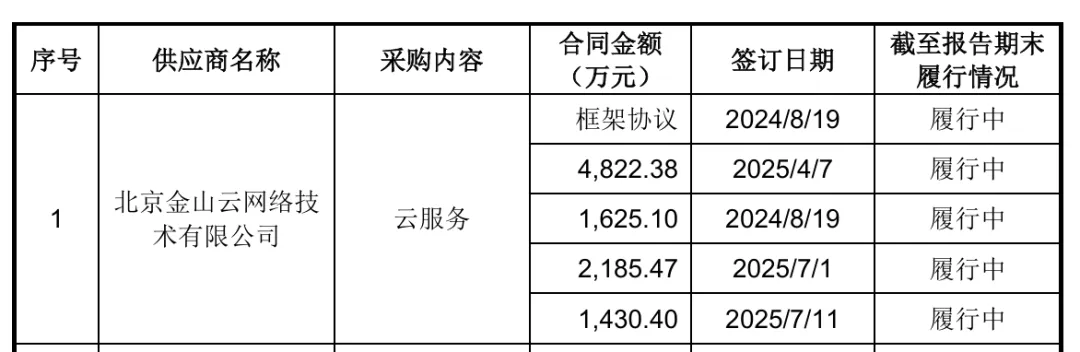
💡Robotics firm beats Tencent profits—lessons for AI hardware margins
⚡ 30-Second TL;DR
What Changed
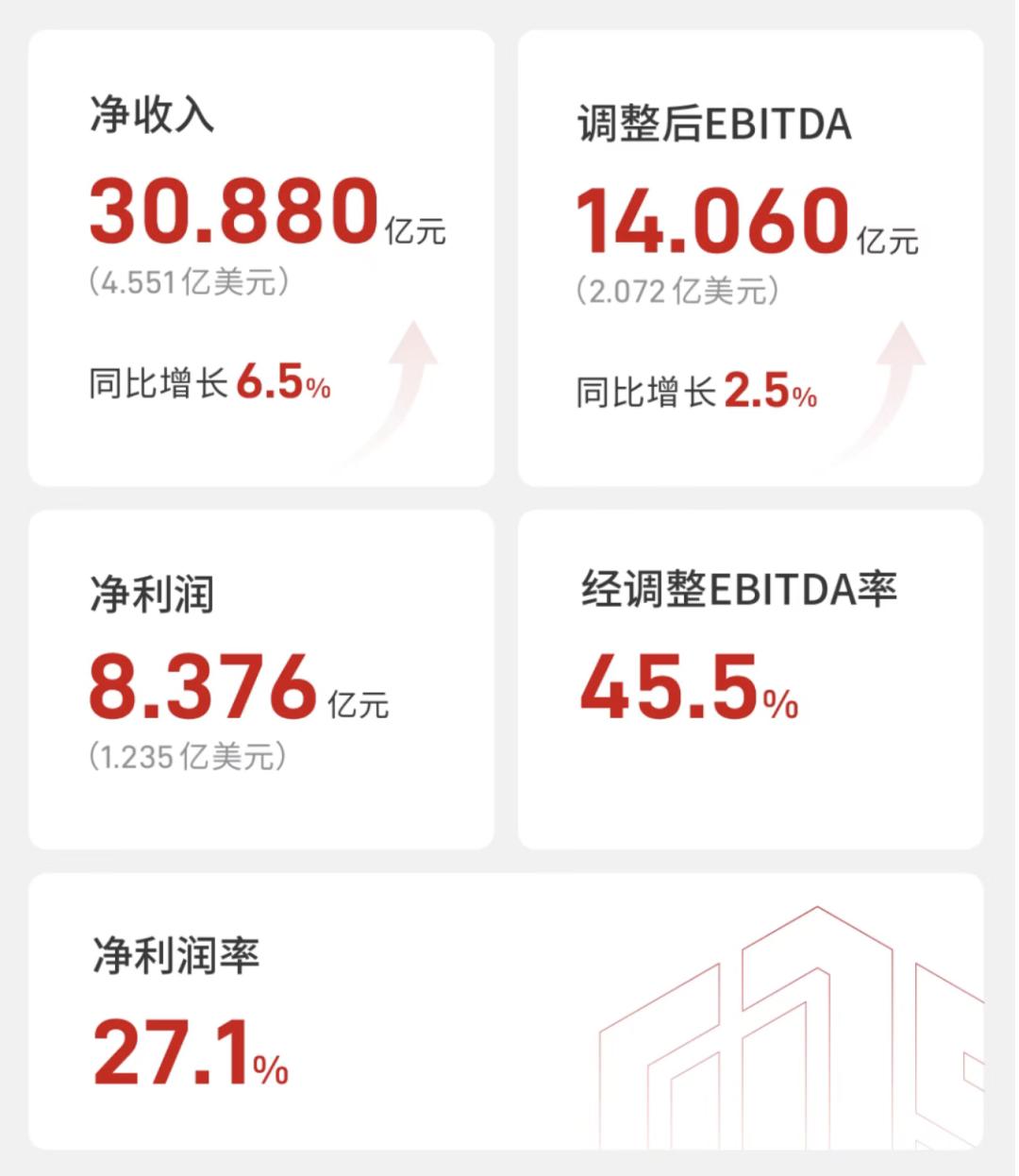
Unitree's net margin surpasses Tencent's
Why It Matters
Demonstrates viable high-margin paths in embodied AI hardware, challenging assumptions on intelligence needs for profitability.
What To Do Next
Benchmark Unitree's cost structure against your robotics prototypes for margin optimization.
Who should care:Founders & Product Leaders
Key Points
- •Unitree's net margin surpasses Tencent's
- •Focuses on profitability drivers in robotics
- •Downplays importance of robot intelligence
- •Highlights efficient business model
🧠 Deep Insight
AI-generated analysis for this event — not the original article.
🔑 Enhanced Key Takeaways
- •Unitree's profitability is largely attributed to its vertical integration strategy, specifically the in-house development and manufacturing of core components like actuators and joint modules, which significantly reduces BOM (Bill of Materials) costs compared to competitors relying on third-party suppliers.
- •The company has successfully leveraged a 'consumer-first' go-to-market strategy, prioritizing high-volume, lower-cost humanoid and quadruped units for research and hobbyist markets to achieve economies of scale before targeting industrial applications.
- •Unlike software-heavy tech giants like Tencent, Unitree's business model relies on hardware-as-a-product revenue streams, benefiting from a lean organizational structure that avoids the massive R&D overhead associated with large-scale cloud infrastructure and content ecosystem maintenance.
📊 Competitor Analysis▸ Show
| Feature | Unitree (G1/H1) | Boston Dynamics (Atlas) | Tesla (Optimus) |
|---|---|---|---|
| Primary Market | Research/Prosumer | Industrial/R&D | Mass Manufacturing |
| Pricing Strategy | Aggressive/Low-cost | Premium/Enterprise | Projected Low-cost (Scale) |
| Core Advantage | Vertical Integration | Motion Control/Legacy | Manufacturing/AI Scale |
🛠️ Technical Deep Dive
- •Actuator Design: Utilizes proprietary high-torque-density joint motors with integrated planetary gearboxes, optimized for high-impact resistance and energy efficiency.
- •Control Architecture: Employs a hierarchical control system combining traditional model-based control (MPC) for locomotion stability with lightweight neural network-based perception modules.
- •Manufacturing: Employs automated assembly lines for core joint modules, enabling rapid iteration and cost reduction in hardware production cycles.
- •Sensor Suite: Integrates cost-effective LiDAR and depth camera arrays rather than high-end, expensive sensor stacks, prioritizing cost-to-performance ratios.
🔮 Future ImplicationsAI analysis grounded in cited sources
Unitree will face margin compression as industrial competitors enter the low-cost robotics segment.
The entry of automotive-scale manufacturers into the humanoid space will likely force a price war that erodes the current hardware-margin advantage.
Unitree will pivot toward a 'Robotics-as-a-Service' (RaaS) model to diversify revenue.
Hardware-only margins are inherently volatile, and the company will need recurring software revenue to sustain long-term valuation growth.
⏳ Timeline
2017-08
Unitree Robotics founded by Wang Xingxing.
2021-06
Launch of the B1 industrial quadruped robot.
2023-08
Release of the H1 general-purpose humanoid robot.
2024-05
Launch of the G1 humanoid agent, targeting mass production.
📰
Weekly AI Recap
Read this week's curated digest of top AI events →
👉Related Updates


AI-curated news aggregator. All content rights belong to original publishers.
Original source: 钛媒体 ↗
This is a summary, not the original. Read the source, or get the weekly briefing.
Weekly AI briefing
One email a week. Unsubscribe anytime.