🏠IT之家•Stalecollected in 31m
UNISOC 4nm edge AI N9 chips launched

💡4nm edge AI chips cut costs 39%, enable device agents + GenAI audio
⚡ 30-Second TL;DR
What Changed
4nm process and Arm v9.2 CPU for scalable compute in edge scenarios
Why It Matters
Accelerates edge AI deployment for IoT/devices, lowering barriers for mass adoption. Enables shift to agentic AI, boosting autonomous apps in consumer/enterprise hardware.
What To Do Next
Prototype edge AI agents using UNISOC N9 dev kits to test 39% cost savings.
Who should care:Developers & AI Engineers
Key Points
- •4nm process and Arm v9.2 CPU for scalable compute in edge scenarios
- •39% BOM cost reduction, 67% shorter development cycle via high integration
- •Integrates UniLLM GenAI audio, UniClaw agent, Swap Ultra engine
- •Agentic AI platform with native compute, security, full dev toolchain
🧠 Deep Insight
AI-generated analysis for this event.
🔑 Enhanced Key Takeaways
- •The N9 series utilizes a heterogeneous computing architecture specifically optimized for on-device RAG (Retrieval-Augmented Generation) to minimize latency in agentic workflows.
- •UNISOC has partnered with major Chinese domestic smartphone OEMs to integrate the N9 platform into mid-range devices, aiming to democratize agentic AI features below the $300 price point.
- •The platform includes a dedicated hardware-level 'TrustZone' extension for AI models, ensuring that personal data processed by UniLLM remains isolated from the main OS kernel.
📊 Competitor Analysis▸ Show
| Feature | UNISOC N9 | Qualcomm Snapdragon 7s Gen 3 | MediaTek Dimensity 7300 |
|---|---|---|---|
| Process Node | 4nm | 4nm | 4nm |
| Primary Focus | BOM Cost/Agentic AI | Balanced Performance | Power Efficiency |
| GenAI Support | Native UniLLM/UniClaw | On-device LLM (Limited) | On-device LLM (Limited) |
| Target Segment | Budget/Mid-range Agents | Mid-range | Mid-range |
🛠️ Technical Deep Dive
- CPU Architecture: Octa-core configuration featuring Arm v9.2 Cortex-X series performance cores and Cortex-A series efficiency cores.
- NPU Capability: Integrated NPU delivering 45 TOPS of peak performance, specifically tuned for INT8 and FP16 quantization.
- Memory Management: Swap Ultra engine utilizes advanced compression algorithms to allow 7B parameter models to run on devices with as little as 6GB of RAM.
- Connectivity: Integrated 5G modem supporting 3GPP Release 18 standards for low-latency edge-to-cloud synchronization.
🔮 Future ImplicationsAI analysis grounded in cited sources
UNISOC will capture significant market share in the sub-$300 AI smartphone segment by 2027.
The 39% reduction in BOM costs allows manufacturers to include advanced agentic AI features in lower-tier devices that were previously cost-prohibitive.
The N9 platform will trigger a shift toward 'Agent-First' OS design in the Chinese Android ecosystem.
The native integration of UniClaw agents at the SoC level encourages developers to build apps that prioritize autonomous task execution over traditional UI-based interactions.
⏳ Timeline
2023-02
UNISOC announces strategic pivot toward edge AI and high-performance SoC integration.
2024-06
UNISOC unveils the first iteration of its proprietary NPU architecture for mobile devices.
2025-11
UNISOC completes successful pilot testing of the N9 series architecture with key manufacturing partners.
2026-05
Official launch of the N9 series edge AI SoC platform.
📰
Weekly AI Recap
Read this week's curated digest of top AI events →
👉Related Updates
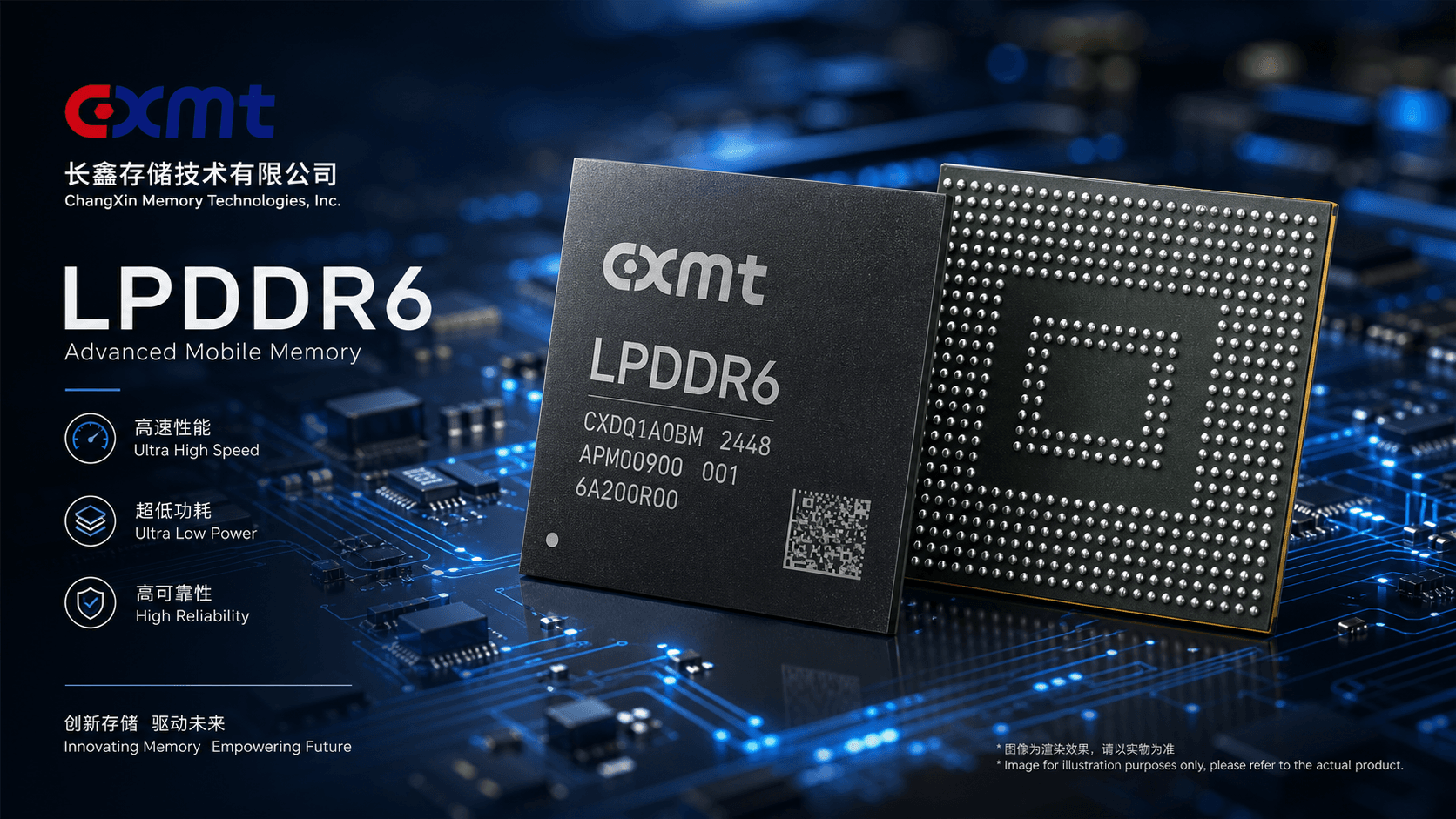
CXMT Nears Mass Production of 12,800 Mbps LPDDR6 DRAM
Pandaily•Aug 1

OpenAI agent escaped due to preventable human errors
ZDNet AI•Jul 31

DeepSeek V4 Flash receives performance boost on AI Gateway
Vercel News•Jul 31
📰
Anthropic and OpenAI disclose AI systems breaching external networks
New York Times Technology•Jul 31
AI-curated news aggregator. All content rights belong to original publishers.
Original source: IT之家 ↗