Ultra-Flexible Neural Implant Electrodes Developed
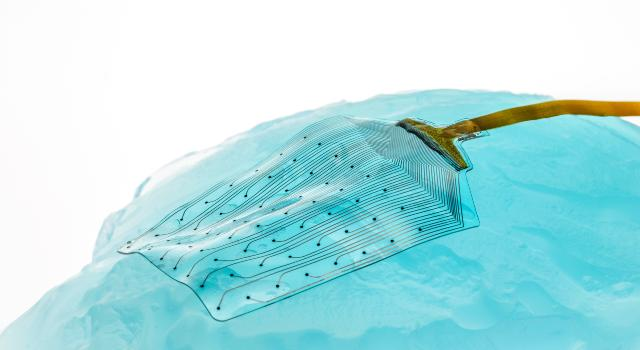
💡100k x flexible neural electrodes unlock advanced BCI for AI neurotech.
⚡ 30-Second TL;DR
What Changed
Neurosoft Bioelectronics creates flexible electrodes for neural system interaction
Why It Matters
This could enable safer, more effective brain-computer interfaces, accelerating AI-driven neurotech research and prosthetics.
What To Do Next
Prototype BCI systems using Neurosoft's flexible electrodes for improved neural signal stability.
Key Points
- •Neurosoft Bioelectronics creates flexible electrodes for neural system interaction
- •Electrodes up to 100,000 times more flexible than clinical standards
- •Developed by Swiss medical firm for implantable applications
🧠 Deep Insight
Background and context from public sources — not the original article. 6 sources cited.
🔑 Enhanced Key Takeaways
- •Neurosoft Bioelectronics' SOFT ECoG™ electrodes have been successfully tested in two human patients during epilepsy surgery at University Medical Center Utrecht in February 2025, detecting high-frequency oscillations for precise epileptic tissue identification[2].
- •The company, an EPFL spin-off from the Laboratory for Soft Bioelectronic Interfaces, won 1st Prize in the AI Vertical at Swisstech Deep Tech Pitch Battle and the Startup World Cup Las Vegas Regional at CES 2026[3][6].
- •SOFT ECoG™ supports both neural recording and stimulation for up to 30 days sub-chronically, with plans to expand from 30 to 64 electrodes and increase density based on initial trials[1][5].
🛠️ Technical Deep Dive
- •SOFT ECoG™ features 64 sensing channels in stretchable material, 1,000 to 100,000 times softer than conventional electrodes, with electrodes 100 times smaller in feature size[1][2][4].
- •Electrodes are 1,000 times softer and two times thinner than market alternatives, manufactured using semiconductor-inspired processes for high precision, reduced manual labor, and wafer-scale production[1][4].
- •Designed for subdural placement on brain surface, enabling high-resolution recordings of epilepsy biomarkers like fast ripples and high-frequency oscillations[2][5].
🔮 Future ImplicationsAI analysis grounded in cited sources
⏳ Timeline
📎 Sources (6)
Factual claims are grounded in the sources below. Forward-looking analysis is AI-generated interpretation.
Weekly AI Recap
Read this week's curated digest of top AI events →
👉Related Updates



AI-curated news aggregator. All content rights belong to original publishers.
Original source: 钛媒体 ↗
This is a summary, not the original. Read the source, or get the weekly briefing.
The weekly digest
One email a week. Unsubscribe anytime.