Ukrainian drone strikes halt Russian Sea of Azov shipping
💡See how low-cost autonomous drone swarms are neutralizing traditional naval logistics and maritime defense.
⚡ 30-Second TL;DR
What Changed
Ukrainian drone blitz achieved rapid operational disruption
Why It Matters
This event underscores the shift toward asymmetric warfare where AI-enabled drones can neutralize traditional naval superiority.
What To Do Next
Analyze the telemetry and swarm coordination patterns of these drones to understand modern autonomous defense vulnerabilities.
Key Points
- •Ukrainian drone blitz achieved rapid operational disruption
- •Russian shipping in the Sea of Azov is currently halted
- •Demonstrates high-impact use of low-cost autonomous aerial vehicles
🧠 Deep Insight
AI-generated analysis for this event — not the original article.
🔑 Enhanced Key Takeaways
- •The disruption centers on the Kerch Strait and the Port of Mariupol, which serve as critical logistical nodes for Russian forces in occupied southern Ukraine.
- •Ukrainian forces are increasingly utilizing long-range 'Magura V5' naval drones in tandem with aerial systems to create a multi-domain blockade effect.
- •Russian maritime insurance premiums for vessels operating in the Sea of Azov have spiked to prohibitive levels, effectively freezing commercial traffic.
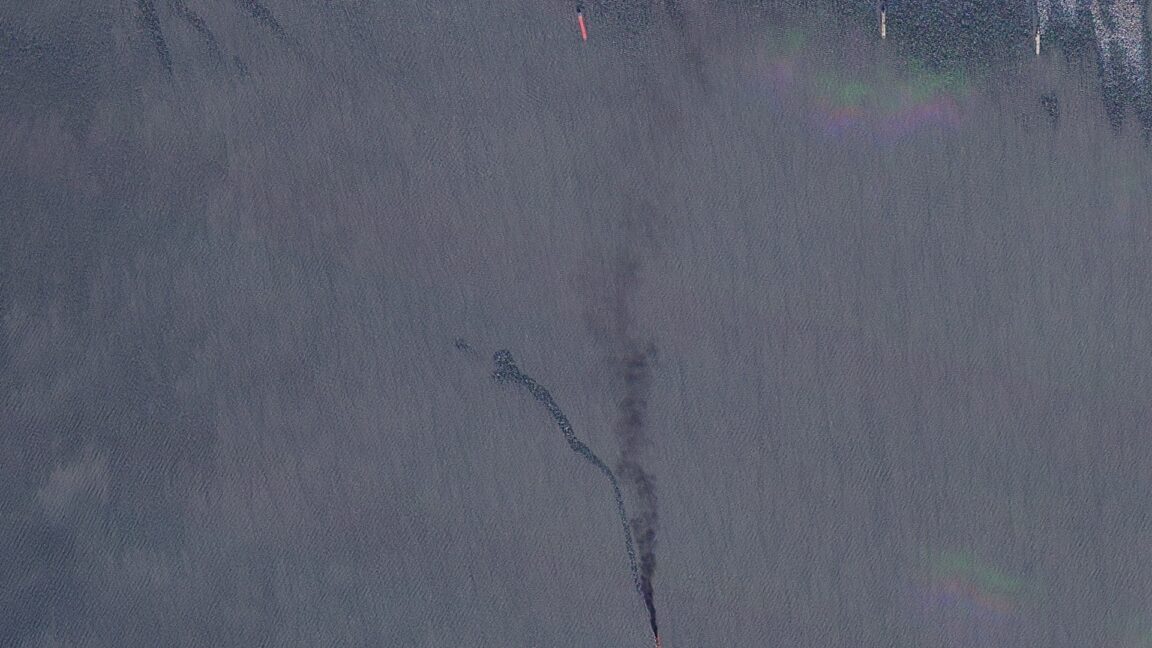
- •Satellite imagery confirms the presence of damaged Russian patrol vessels and port infrastructure, indicating that the drone strikes are targeting both logistics and naval assets.
- •The tactical shift reflects a move toward 'asymmetric denial,' where low-cost drones force the Russian Navy to retreat from littoral waters to avoid attrition.
🛠️ Technical Deep Dive
- Utilization of Starlink satellite terminals for real-time, low-latency command and control of autonomous systems.
- Integration of AI-driven computer vision for target identification and terminal guidance, reducing reliance on GPS in contested electronic warfare environments.
- Deployment of swarm tactics where multiple drones saturate air defense sensors, allowing at least one unit to penetrate the defensive perimeter.
- Use of modular warheads capable of being swapped based on target type, ranging from anti-ship shaped charges to incendiary payloads for port infrastructure.
🔮 Future ImplicationsAI analysis grounded in cited sources
⏳ Timeline
Weekly AI Recap
Read this week's curated digest of top AI events →
👉Related Updates
AI-curated news aggregator. All content rights belong to original publishers.
Original source: Ars Technica ↗
This is a summary, not the original. Read the source, or get the weekly briefing.
The weekly digest
One email a week. Unsubscribe anytime.