Ukraine’s $48,000 Drone Reaches 2,000 Kilometers
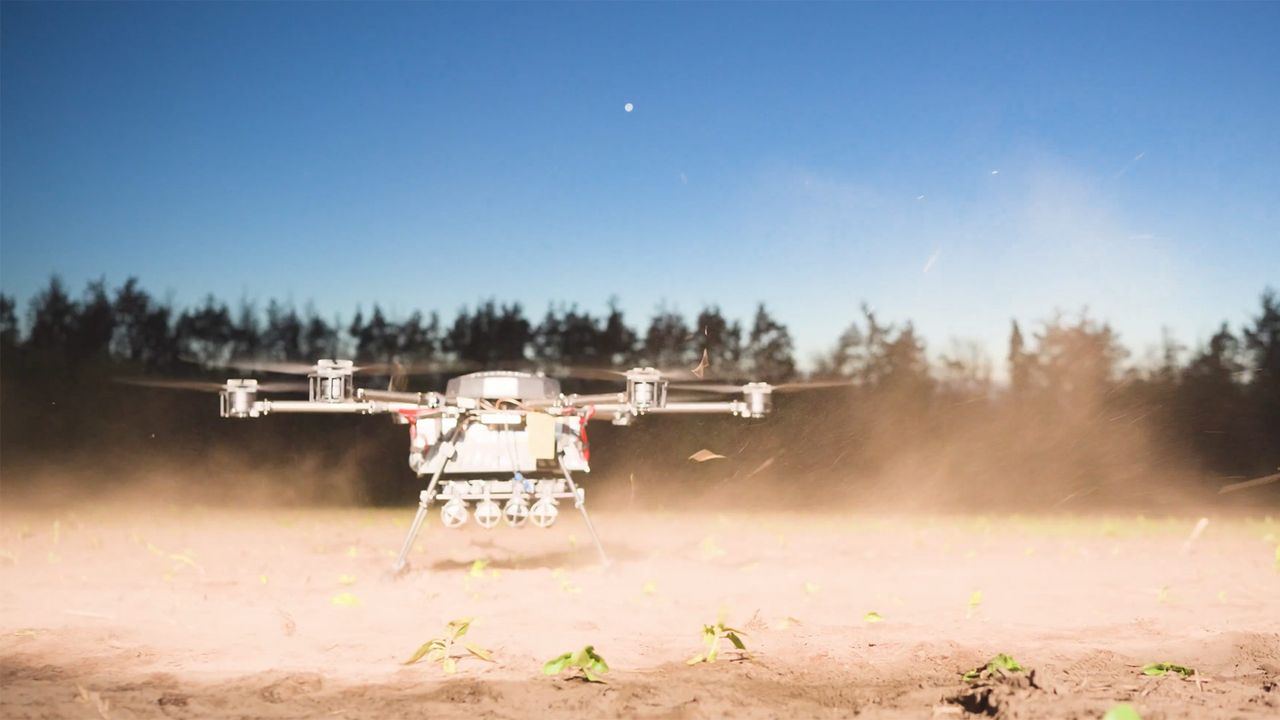
💡A $48,000 long-range drone reportedly destroyed a strategic bomber—an important lesson in scalable autonomy.
⚡ 30-Second TL;DR
What Changed
MICH 2000 was identified as the drone used in the reported attack on a Russian Tu-95MS bomber.
Why It Matters
The reported system highlights how inexpensive, long-range autonomous platforms can challenge high-value military assets. For AI and robotics teams, it reinforces the importance of scalable manufacturing, edge autonomy, and low-cost systems engineering.
What To Do Next
Prototype a fixed-wing autonomy scenario in ArduPilot SITL to evaluate long-range navigation, telemetry loss, and edge-inference constraints.
Key Points
- •MICH 2000 was identified as the drone used in the reported attack on a Russian Tu-95MS bomber.
- •The flying-wing drone reportedly costs about $48,000 and has a range of 2,000 kilometers.
- •Ukraine is reportedly producing as many as 6,000 of these drones per year.
- •The design was allegedly developed after covertly photographing Chinese factory technology.
🧠 Deep Insight
AI-generated analysis for this event.
🔑 Enhanced Key Takeaways
- •The MICH 2000 drone is widely believed to be a derivative of the Ukrainian 'Aeros' or 'Morok' long-range drone family, which utilizes a pusher-propeller configuration for aerodynamic efficiency.
- •Strategic strikes at Engels-2 air base have forced the Russian Aerospace Forces to relocate strategic bombers to more distant airfields, significantly increasing the logistical burden of their sorties.
- •The drone's navigation system reportedly integrates inertial navigation with GPS-denied terrain-matching capabilities to circumvent Russian electronic warfare (EW) jamming.
- •The $48,000 price point is achieved through the extensive use of commercial off-the-shelf (COTS) components, including hobbyist-grade flight controllers and modified internal combustion engines.
- •Intelligence reports suggest that the drone's airframe is constructed from lightweight composite materials, such as fiberglass or carbon fiber, to minimize its radar cross-section (RCS) during low-altitude flight.
📊 Competitor Analysis▸ Show
| Feature | MICH 2000 | Shahed-136 (Geran-2) | Switchblade 600 |
|---|---|---|---|
| Range | ~2,000 km | ~2,000 km | ~40 km |
| Cost | ~$48,000 | ~$20,000 - $50,000 | ~$100,000+ |
| Payload | High Explosive | ~50 kg Warhead | Anti-Armor Warhead |
| Primary Role | Strategic Strike | Loitering Munition | Tactical Precision Strike |
🛠️ Technical Deep Dive
- Propulsion: Typically powered by a small-displacement two-stroke internal combustion engine driving a rear-mounted propeller.
- Airframe: Flying-wing design optimized for long-endurance, high-altitude cruise efficiency.
- Guidance: Multi-modal system featuring GNSS (Global Navigation Satellite System) with anti-jamming antennas and optical terrain-referenced navigation (TRN).
- Payload Capacity: Estimated at 20-50 kg of high-explosive ordnance, depending on fuel load requirements for specific mission profiles.
- Communication: Encrypted satellite data link for mid-flight course corrections and target updates.
🔮 Future ImplicationsAI analysis grounded in cited sources
⏳ Timeline
Weekly AI Recap
Read this week's curated digest of top AI events →
👉Related Updates



AI-curated news aggregator. All content rights belong to original publishers.
Original source: Tom's Hardware ↗