TSMC Results Trigger Market Concerns Over AI Growth
💡Market sentiment shift: TSMC's results are cooling the AI rally. Understand the impact on your hardware roadmap.
⚡ 30-Second TL;DR
What Changed
TSMC earnings failed to meet high market expectations for AI sector growth
Why It Matters
This signals a potential cooling period for AI hardware investments, forcing practitioners to focus on tangible revenue rather than speculative growth.
What To Do Next
Diversify your infrastructure dependencies and re-evaluate project budgets based on potential hardware supply volatility.
Key Points
- •TSMC earnings failed to meet high market expectations for AI sector growth
- •US stock futures declined following the report
- •Geopolitical instability in the Middle East is compounding market volatility
🧠 Deep Insight
AI-generated analysis for this event.
🔑 Enhanced Key Takeaways
- •TSMC's Q2 2026 capital expenditure guidance remained flat, disappointing analysts who anticipated an upward revision to support aggressive AI infrastructure expansion.
- •The company reported a shift in product mix where high-margin AI accelerator demand was partially offset by a sharper-than-expected decline in legacy automotive and industrial chip segments.
- •Supply chain constraints regarding CoWoS (Chip-on-Wafer-on-Substrate) packaging capacity persist, limiting TSMC's ability to fully capitalize on surging demand for advanced AI GPUs.
- •Institutional investors are expressing concerns over the 'AI monetization gap,' where the massive capital investment in hardware has yet to translate into proportional revenue growth for downstream software and enterprise customers.
- •TSMC's management highlighted that rising energy costs and power stability concerns in Taiwan are becoming significant operational risks for their advanced 2nm and 1.4nm node production roadmaps.
📊 Competitor Analysis▸ Show
| Feature/Metric | TSMC (Advanced Logic) | Samsung Foundry | Intel Foundry |
|---|---|---|---|
| Leading Node | N2 (2nm) | SF2 (2nm) | Intel 18A |
| AI Packaging | CoWoS (Market Leader) | I-Cube | Foveros |
| Market Strategy | Pure-play foundry dominance | Integrated Device Mfg | Open system foundry |
| 2026 Status | High volume production | Yield ramp challenges | Scaling 18A for external clients |
🛠️ Technical Deep Dive
- TSMC's N2 (2nm) process utilizes nanosheet transistor architecture (GAAFET) to improve power efficiency and performance over FinFET.
- The company is scaling its CoWoS-L and CoWoS-R packaging technologies to accommodate larger reticle sizes for next-generation AI accelerators.
- Implementation of backside power delivery networks (BSPDN) is being integrated into the 2nm roadmap to reduce IR drop and improve signal integrity.
- Advanced lithography utilization includes increased reliance on High-NA EUV scanners to meet the patterning requirements of sub-2nm designs.
🔮 Future ImplicationsAI analysis grounded in cited sources
⏳ Timeline
Weekly AI Recap
Read this week's curated digest of top AI events →
👉Related Updates
Same topic
Explore #semiconductors
Same product
More on tsmc
Same source
Latest from Bloomberg Technology

CXMT's Path to Breaking the Global DRAM Oligopoly

OnePlus exits Western markets amid global memory crisis
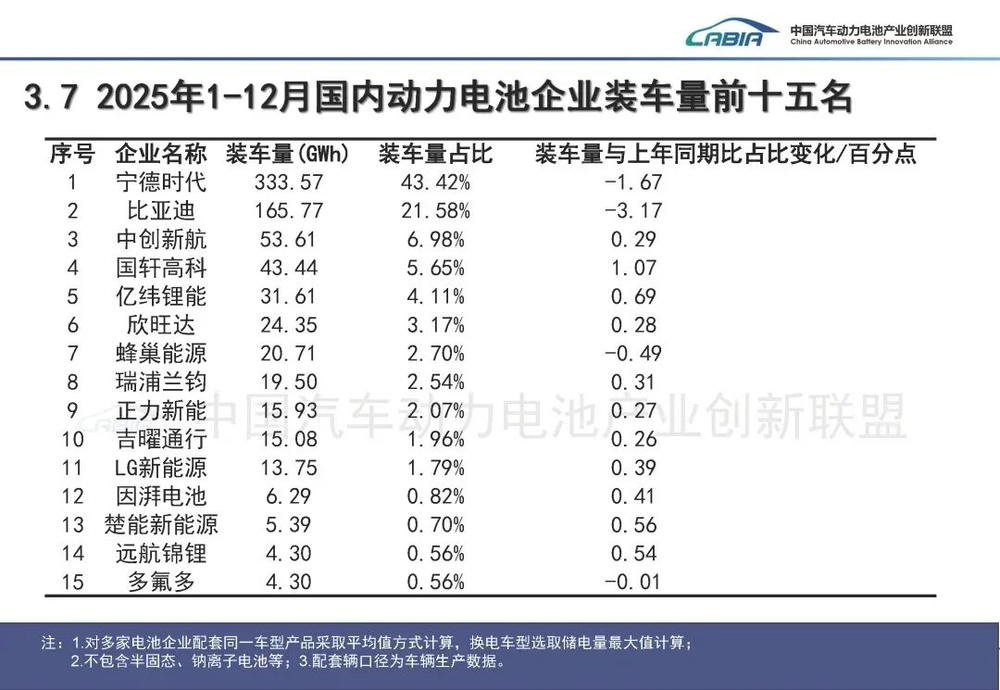
CATL's dominance faces challenges from supply chain diversification
Franklin Templeton Shifts AI Bets to Chinese Internet Stocks
AI-curated news aggregator. All content rights belong to original publishers.
Original source: Bloomberg Technology ↗