TSMC ADR Premium Narrows, Trading Window Opens
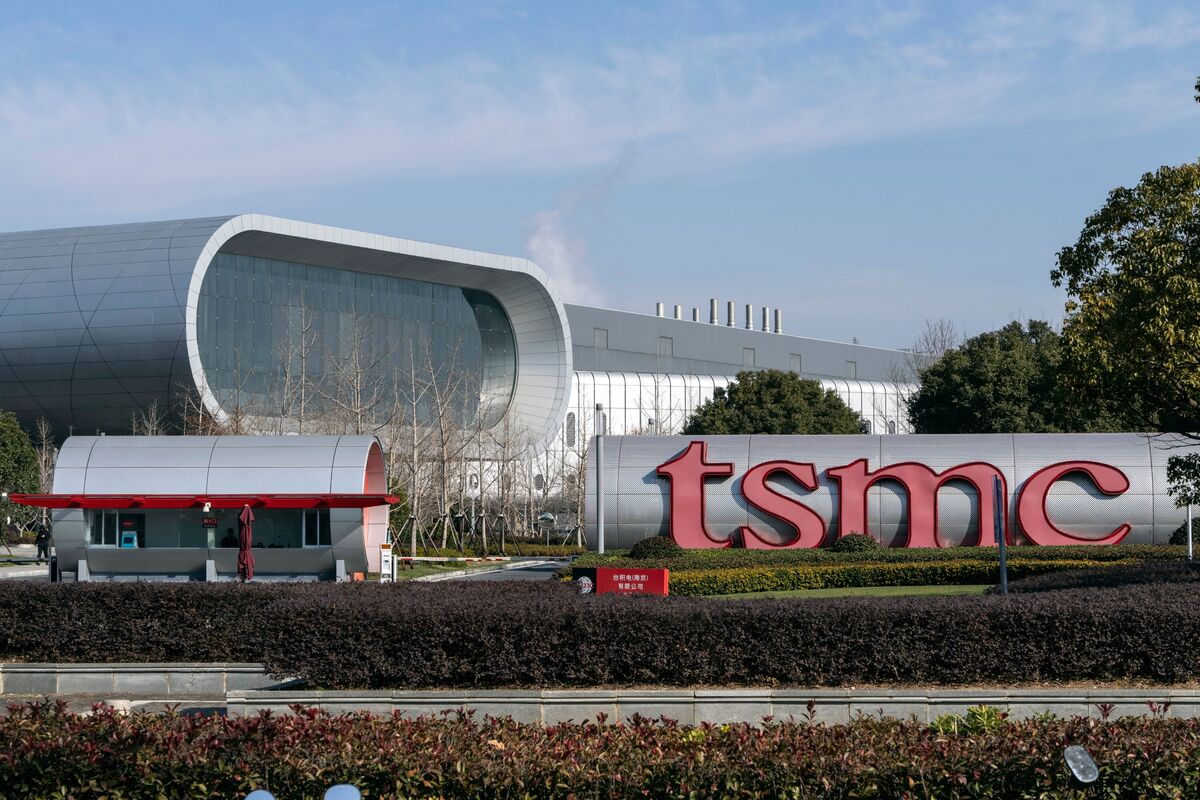
💡TSMC ADR gap shrinks: UBS trading signal for AI chip investors
⚡ 30-Second TL;DR
What Changed
Narrowing premium between TSMC Taiwan shares and US ADR
Why It Matters
This could enhance liquidity and stabilize TSMC valuations, indirectly affecting AI chip supply chain costs for practitioners reliant on TSMC fabrication.
What To Do Next
Track TSMC ADR vs Taiwan share premium via UBS notes for AI hardware procurement timing.
Key Points
- •Narrowing premium between TSMC Taiwan shares and US ADR
- •UBS desk highlights trading opportunity in client note
- •Sinking ADR premium creates arbitrage window
🧠 Deep Insight
AI-generated analysis for this event — not the original article.
🔑 Enhanced Key Takeaways
- •The narrowing premium is largely attributed to increased institutional inflows into the Taiwan Stock Exchange (TWSE) as global investors seek to hedge against geopolitical risk by holding local shares directly rather than relying solely on US-listed ADRs.
- •Market analysts note that the ADR premium, which historically hovered between 5% and 10% due to liquidity constraints and foreign ownership limits, has compressed to under 2% as the TWSE has implemented reforms to improve market accessibility for international capital.
- •The arbitrage opportunity identified by UBS is specifically targeting high-frequency trading desks that can exploit the latency between the TAIEX closing and the NYSE opening, given the regulatory hurdles involved in converting TSMC ADRs back into underlying local shares.
🔮 Future ImplicationsAI analysis grounded in cited sources
⏳ Timeline
Weekly AI Recap
Read this week's curated digest of top AI events →
👉Related Updates
AI-curated news aggregator. All content rights belong to original publishers.
Original source: Bloomberg Technology ↗
This is a summary, not the original. Read the source, or get the weekly briefing.
The weekly digest
One email a week. Unsubscribe anytime.