Trump's Global AI Chip Licensing Regime
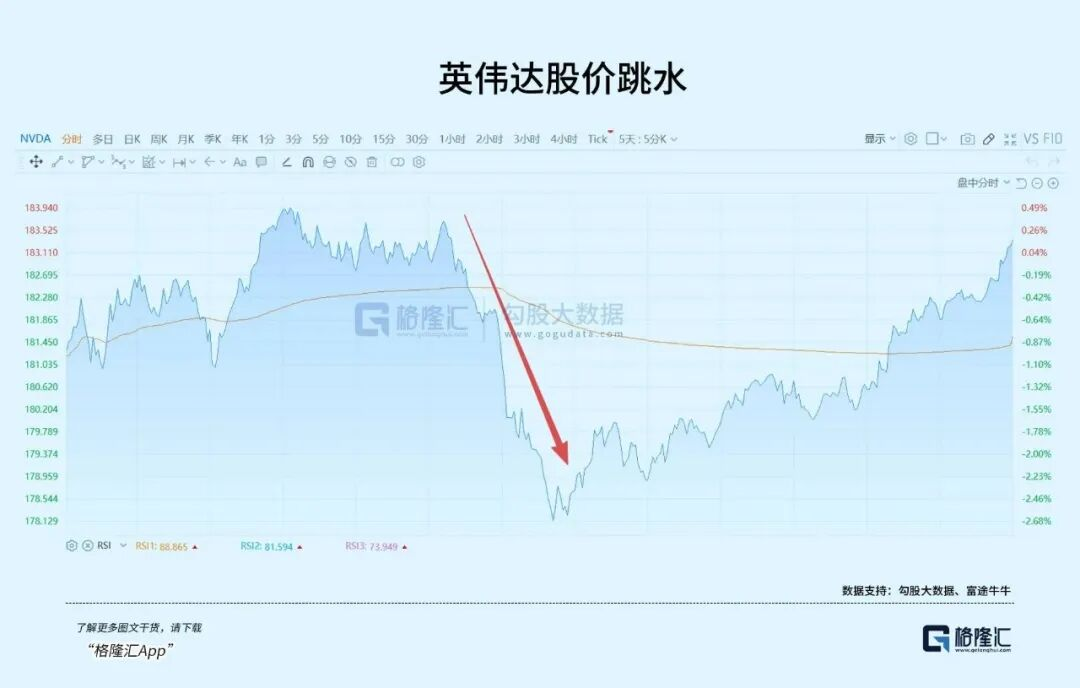
💡Trump's global chip curbs demand US investments—pivot to efficient models now!
⚡ 30-Second TL;DR
What Changed
Tiered system: small buys simple review, large clusters need disclosure/visits, 200k+ chips require gov't security pledges
Why It Matters
Forces global AI investments into US, hikes China costs but accelerates国产 chips and efficient models. Creates trading leverage for Trump, tests China AI resilience.
What To Do Next
Evaluate国产 chips like Huawei Ascend for inference to hedge US export risks.
Key Points
- •Tiered system: small buys simple review, large clusters need disclosure/visits, 200k+ chips require gov't security pledges
- •UAE example: $1.4T 10-yr US investment for 500k Nvidia chips annually
- •Allows H200 to China with 25% tariff, delays国产替代 while extracting '算力税'
- •Pushes China toward DeepSeek-style low-cost models and 35% annual国产推理增长
- •Short-term cost pain, long-term valuation boost if infra bottleneck clears
🧠 Deep Insight
Background and context from public sources — not the original article. 4 sources cited.
🔑 Enhanced Key Takeaways
- •On January 13, 2026, the US Department of Commerce’s BIS released a final rule shifting license reviews for NVIDIA H200 and AMD MI325X chips from 'presumption of denial' to 'case-by-case,' requiring certifications on end users in countries of concern.[1]
- •A January 14, 2026 Presidential Proclamation imposed a 25% value-based tariff on advanced AI chip imports not destined for the US supply chain, effectively capturing revenue from sales like H200 to China.[1]
- •The draft rules emerged from Trump Administration social media statements in December 2025 to President Xi, promising H200 shipments under national security conditions, marking a shift from Biden-era restrictions.[1][4]
- •White House officials stated on March 5, 2026, that the Commerce Department's draft regulations do not align with Trump's pro-export AI strategy and are only early ideas under interagency review.[3]
🔮 Future ImplicationsAI analysis grounded in cited sources
⏳ Timeline
📎 Sources (4)
Factual claims are grounded in the sources below. Forward-looking analysis is AI-generated interpretation.
- mayerbrown.com — Administration Policies on Advanced AI Chips Codified
- Tom's Hardware — US Govt Preps Sweeping Export Controls for Nvidia Amd AI Hardware Worldwide Licensing System Would Give Trump Admin Broad Authority to Block Global Sales
- axios.com — Trump AI Chip Clash White House
- brookings.edu — If Superintelligence Isnt Imminent the Trump Administration May Be Right to Loosen Advanced Chip Export Controls
Weekly AI Recap
Read this week's curated digest of top AI events →
👉Related Updates
AI-curated news aggregator. All content rights belong to original publishers.
Original source: 虎嗅 ↗
This is a summary, not the original. Read the source, or get the weekly briefing.
Weekly AI briefing
One email a week. Unsubscribe anytime.