Trump Says Congress Could Regulate AI to Death
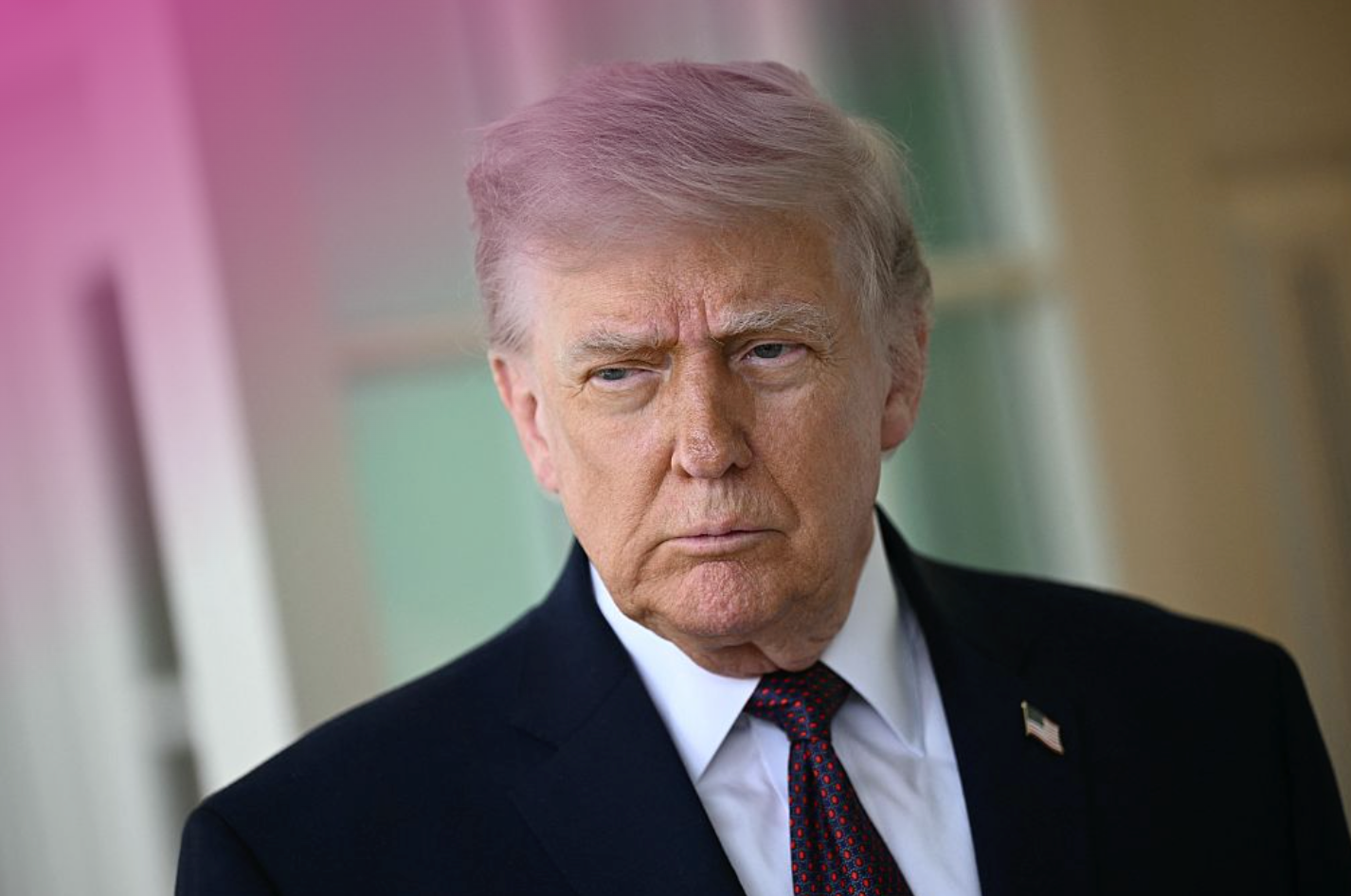
Potential U.S. AI audits could reshape how frontier models are tested, documented, and launched.
30-Second TL;DR
What Changed
Trump criticized Congress for potentially overregulating AI companies.
Why It Matters
Uncertainty around federal AI rules could affect model release schedules, compliance budgets, and investment decisions. Mandatory independent audits would particularly increase operational and documentation requirements for frontier-model developers.
What To Do Next
Create an internal model-governance checklist covering evaluation results, safety testing, incident logs, and audit-ready documentation.
Key Points
- •Trump criticized Congress for potentially overregulating AI companies.
- •The U.S. AI industry still operates largely without new federal AI laws.
- •One proposed bill would require independent safety audits for the most powerful AI models.
Deep Insight
AI-generated analysis for this event — not the original article.
Enhanced Key Takeaways
- •The debate centers on the tension between 'open-source' AI advocates, who fear regulation will consolidate power among incumbents, and 'AI safety' proponents who argue for mandatory pre-deployment testing.
- •Legislative proposals often reference the 'compute threshold'—a specific amount of training power (e.g., 10^26 FLOPs)—as the trigger for mandatory federal oversight.
- •Industry lobbying groups have increasingly warned that overly broad definitions of 'frontier models' could inadvertently stifle innovation in smaller startups and academic research.
- •The U.S. government has previously utilized Executive Order 14110 to establish voluntary safety reporting requirements, which serve as a precursor to the mandatory audits currently being debated.
- •International jurisdictions, such as the European Union with its AI Act, have already implemented tiered risk-based regulatory frameworks that U.S. lawmakers are using as a reference point for domestic policy.
Future ImplicationsAI analysis grounded in cited sources
Timeline
- 2023-10President Biden signs Executive Order 14110 on the Safe, Secure, and Trustworthy Development and Use of Artificial Intelligence.
- 2024-05The U.S. AI Safety Institute is formally established within NIST to develop guidelines for AI testing and evaluation.
- 2025-02Bipartisan discussions intensify in Congress regarding the codification of mandatory safety audits for frontier AI models.
Weekly AI Recap
Read this week's curated digest of top AI events →
Related Updates

AI-curated news aggregator. All content rights belong to original publishers.
Original source: cnBeta (Full RSS) ↗
This is a summary, not the original. Read the source, or get the weekly briefing.
The weekly digest
One email a week. Unsubscribe anytime.