Source虎嗅•Stalecollected in 25m
Traditional Carmakers Falter in Huawei EV Deals
#ev-partnerships#auto-ai#huawei-adasharmonyos-autohuaweiharmonyosbaic-blueparkjacenjoyzunjie
💡Huawei EV partnerships bleed OEM profits despite sales wins.
⚡ 30-Second TL;DR
What Changed
HarmonyOS deliveries top 1.35M; Q1 2026 up 41.9% to 112K units
Why It Matters
Highlights risks for legacy automakers partnering with Huawei on AI-driven EVs; thin manufacturing profits vs. Huawei's brand/channel gains strain transformations.
What To Do Next
Assess Huawei ADS integration costs before EV partnerships.
Who should care:Founders & Product Leaders
Key Points
- •HarmonyOS deliveries top 1.35M; Q1 2026 up 41.9% to 112K units
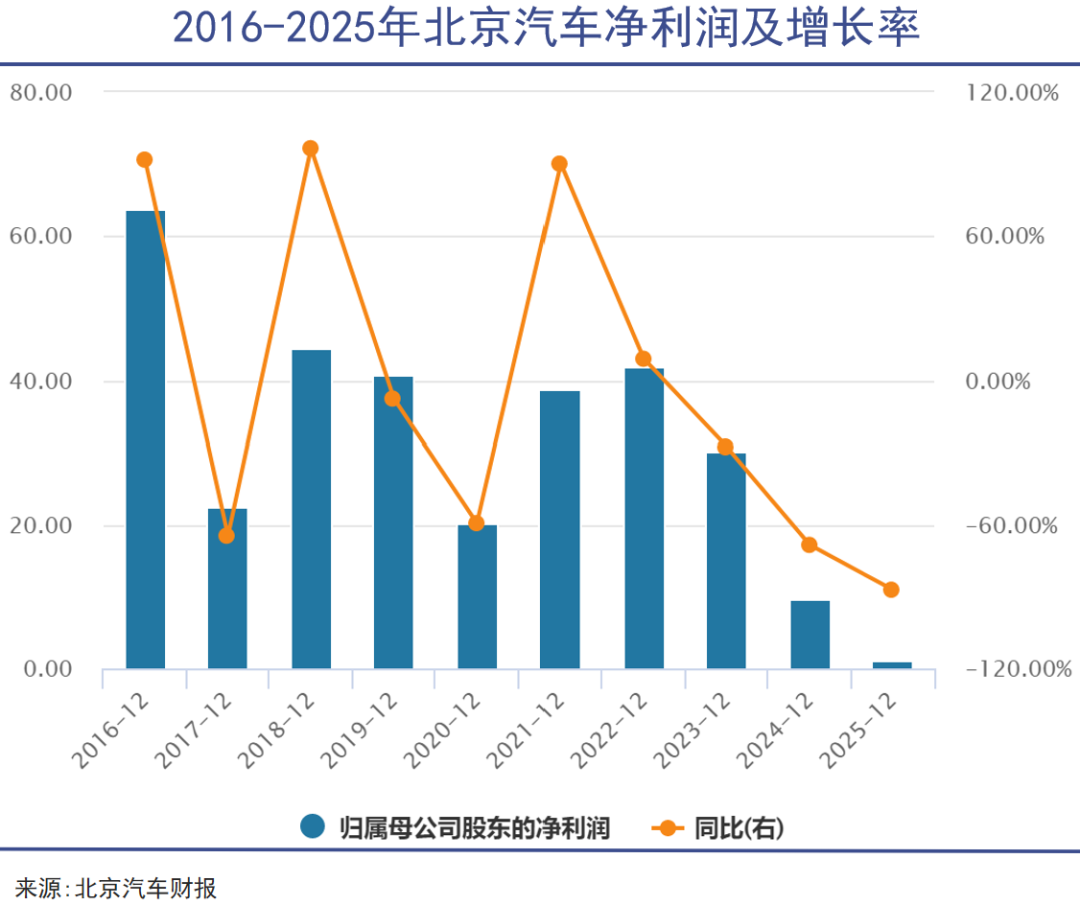
- •BAIC BluePark 2025 revenue +92% to 27.9B RMB, net loss -4.56B RMB
- •JAC sales expenses double to 2.9B RMB, mostly Huawei channel fees
🧠 Deep Insight
AI-generated analysis for this event — not the original article.
🔑 Enhanced Key Takeaways
- •Huawei's 'HIMA' (Harmony Intelligent Mobility Alliance) business model shifts the traditional OEM role to 'contract manufacturing,' where Huawei retains control over product definition, design, and sales channels, effectively stripping OEMs of brand autonomy.
- •The financial strain on partners like BAIC and JAC is exacerbated by the 'Huawei Tax,' which includes significant per-unit marketing and software licensing fees that prioritize Huawei's ecosystem expansion over immediate OEM profitability.
- •Market analysts observe a growing 'hollowing out' risk for state-owned automakers partnering with Huawei, as they struggle to build independent R&D capabilities while their internal engineering teams are sidelined by Huawei's centralized software-defined vehicle architecture.
📊 Competitor Analysis▸ Show
| Feature | Huawei HIMA (Stelato/Luxeed) | Xiaomi Auto (SU7) | Li Auto | Tesla (Model Y) |
|---|---|---|---|---|
| OS Integration | Deep HarmonyOS | HyperOS | Proprietary (LiOS) | Tesla OS |
| Sales Model | Huawei Store (Direct) | Xiaomi Store (Direct) | Direct/Retail | Direct |
| Primary USP | Ecosystem/Connectivity | Smartphone Synergy | Family/Range Extender | FSD/Efficiency |
| Pricing Strategy | Premium/Mid-High | Competitive/Mass | Premium/Family | Dynamic/Mass |
🛠️ Technical Deep Dive
- •Huawei's ADS (Advanced Driving System) 3.0 utilizes a 'God's Eye' perception architecture, integrating LiDAR, millimeter-wave radar, and high-definition cameras for end-to-end neural network processing.
- •The HarmonyOS Cockpit system employs a distributed soft-bus architecture, allowing seamless hardware resource sharing (e.g., using the car's cameras for phone video calls) across Huawei-ecosystem devices.
- •The 'Tuling' chassis platform, integrated into HIMA vehicles, uses AI-driven predictive control to adjust suspension damping and torque vectoring based on real-time road surface scanning.
- •Vehicle-to-Everything (V2X) implementation leverages Huawei's 5G-Advanced (5.5G) infrastructure to reduce latency in cooperative perception scenarios.
🔮 Future ImplicationsAI analysis grounded in cited sources
BAIC and JAC will likely face shareholder pressure to renegotiate HIMA revenue-sharing agreements by 2027.
Persistent net losses despite high sales volume are unsustainable for publicly traded OEMs, necessitating a shift toward higher margin retention.
Huawei will consolidate its HIMA partner list to focus on high-volume manufacturers.
Managing multiple disparate OEM production lines creates operational inefficiencies that conflict with Huawei's goal of standardized, high-quality vehicle delivery.
⏳ Timeline
2021-04
Huawei officially enters the automotive market with the 'Huawei Inside' (HI) strategy.
2023-11
Huawei launches the Harmony Intelligent Mobility Alliance (HIMA) to formalize its 'Smart Selection' car model.
2024-05
Stelato (Xiangjie), the partnership between Huawei and BAIC, officially debuts its first model, the S9.
2025-01
JAC and Huawei announce the 'Zunjie' brand, targeting the ultra-luxury MPV and sedan market.
📰
Weekly AI Recap
Read this week's curated digest of top AI events →
👉Related Updates



AI-curated news aggregator. All content rights belong to original publishers.
Original source: 虎嗅 ↗
This is a summary, not the original. Read the source, or get the weekly briefing.
The weekly digest
One email a week. Unsubscribe anytime.