⚛️Ars Technica•Stalecollected in 2h
Toyota's $10B Woven City: Utopia or Nightmare?
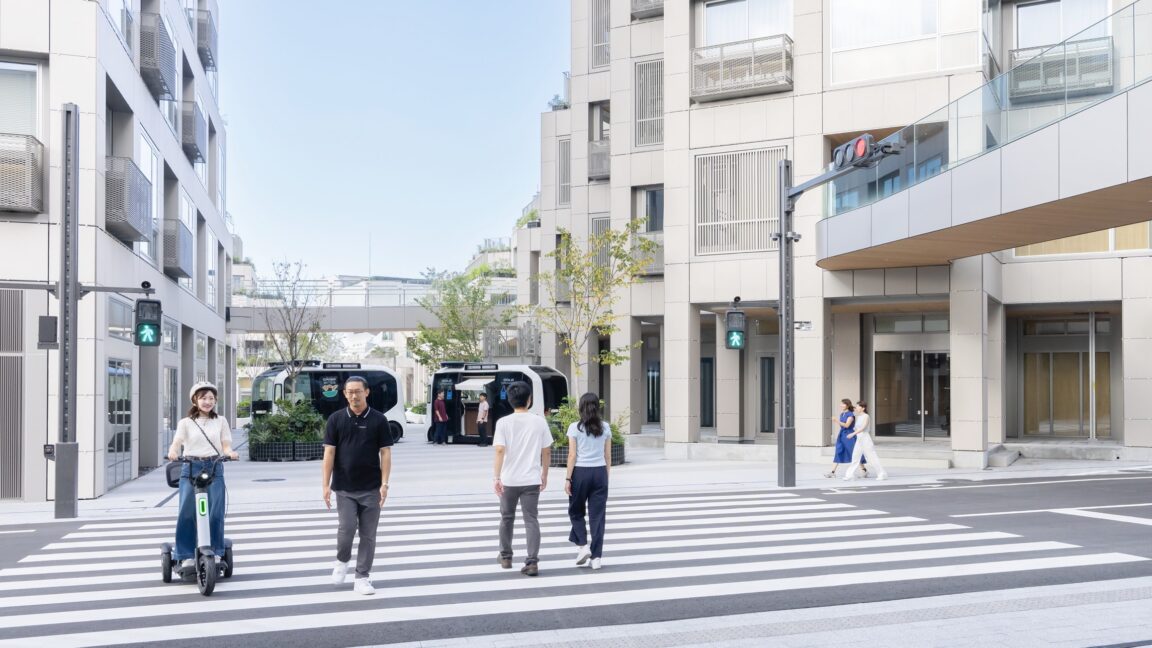
💡Toyota's $10B AI test city exposes privacy risks in real-world embodied AI scaling.
⚡ 30-Second TL;DR
What Changed
Toyota invested $10B in constructing Woven City as a private utopia.
Why It Matters
Toyota's Woven City underscores the push for dedicated AI test environments in smart mobility, potentially accelerating autonomous tech development. However, privacy issues could spark regulatory scrutiny in AI infrastructure deployments.
What To Do Next
Explore Woven by Toyota's developer portal for smart mobility AI research collaborations.
Who should care:Researchers & Academics
Key Points
- •Toyota invested $10B in constructing Woven City as a private utopia.
- •Woven City raises major privacy concerns due to its experimental nature.
- •Project aims to aid Toyota's innovation as an OEM in mobility tech.
- •Serves as a real-world testbed for future technologies.
🧠 Deep Insight
AI-generated analysis for this event.
🔑 Enhanced Key Takeaways
- •Woven City is constructed on the site of a former Toyota vehicle manufacturing plant in Susono, Shizuoka, Japan, leveraging existing land assets for the project.
- •The city utilizes a 'woven' grid design, separating traffic into three distinct types: high-speed vehicles, personal mobility/pedestrians, and a dedicated pedestrian-only park-like promenade.
- •The project is managed by Woven by Toyota (formerly Toyota Research Institute-Advanced Development), which focuses on developing the Arene operating system to serve as the software backbone for the city's connected infrastructure.
🛠️ Technical Deep Dive
- •Arene OS: A proprietary software platform designed to manage vehicle-to-everything (V2X) communication, enabling seamless integration between autonomous vehicles, smart home appliances, and city infrastructure.
- •Energy Infrastructure: The city is powered by a combination of hydrogen fuel cell technology and rooftop solar panels, aiming for a carbon-neutral energy footprint.
- •Sensor Fusion: The urban environment is equipped with a dense network of IoT sensors that collect real-time data on traffic flow, energy consumption, and resident movement to optimize city operations via a 'Digital Twin' simulation.
🔮 Future ImplicationsAI analysis grounded in cited sources
Toyota will pivot its primary revenue model from hardware sales to software-as-a-service (SaaS) licensing.
The successful deployment of the Arene OS in Woven City provides a scalable software architecture that Toyota can license to other smart city developers and automotive OEMs.
Woven City will face significant regulatory challenges regarding data sovereignty.
The high density of surveillance and data collection required for the city's operation conflicts with evolving international data privacy regulations like GDPR and Japan's APPI.
⏳ Timeline
2020-01
Toyota officially announces the Woven City project at CES.
2021-02
Groundbreaking ceremony held at the former Higashi-Fuji plant site.
2023-04
Toyota Research Institute-Advanced Development rebrands to Woven by Toyota to align with city development goals.
2024-11
Toyota begins initial pilot testing of autonomous delivery robots within the city's infrastructure.
📰
Weekly AI Recap
Read this week's curated digest of top AI events →
👉Related Updates

AI-curated news aggregator. All content rights belong to original publishers.
Original source: Ars Technica ↗