Top Smart Glasses for 2026
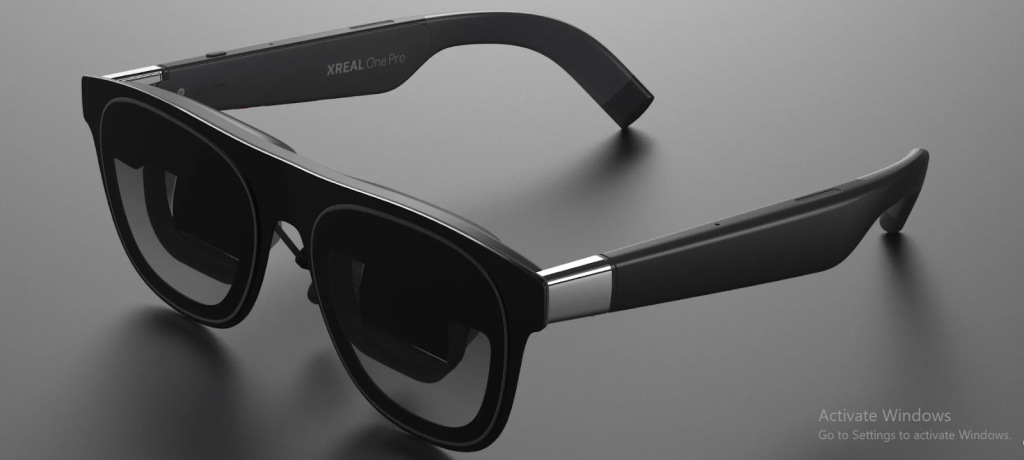
💡AI-powered smart glasses boost spatial computing—essential for AR/AI builders.
⚡ 30-Second TL;DR
What Changed
Evolved from niche gadgets to essential productivity tools
Why It Matters
The rise of AI-enhanced smart glasses signals deeper integration of AI in wearables, opening new avenues for AR/VR developers. This could drive innovation in spatial AI applications and embodied computing.
What To Do Next
Prototype AI spatial apps using ARKit or similar on recommended 2026 smart glasses.
Key Points
- •Evolved from niche gadgets to essential productivity tools
- •High-fidelity spatial computing capabilities
- •Professional-grade cinematography features
- •AI-driven sensory enhancement integration
🧠 Deep Insight
AI-generated analysis for this event — not the original article.
🔑 Enhanced Key Takeaways
- •Integration of low-latency 6G connectivity has become a standard requirement for real-time cloud-based spatial rendering, reducing the need for heavy onboard processing units.
- •Battery density breakthroughs using solid-state silicon-anode technology have enabled all-day wearability without the need for external battery packs or bulky frames.
- •Privacy-focused hardware-level 'indicator lights' and localized data processing (Edge AI) have become mandatory compliance features for consumer adoption in major markets.
📊 Competitor Analysis▸ Show
| Feature | Meta Orion (Gen 2) | Apple Vision Pro (Glasses Edition) | Xreal Air 3 Pro |
|---|---|---|---|
| Display Tech | MicroLED Waveguide | Micro-OLED | Birdbath Optics |
| Weight | 70g | 180g | 85g |
| AI Processing | On-device Neural Engine | M4-series SoC | Connected Smartphone |
| Pricing | $1,299 | $2,499 | $499 |
🛠️ Technical Deep Dive
- Display Architecture: Utilization of dual-stacked MicroLED panels achieving 3,000 nits peak brightness for outdoor visibility.
- Sensor Fusion: Implementation of 12-camera array for 6DoF (six degrees of freedom) tracking and real-time SLAM (Simultaneous Localization and Mapping).
- Compute: Custom 3nm ARM-based SoC with dedicated NPU (Neural Processing Unit) for real-time object recognition and translation.
- Connectivity: Wi-Fi 7 and 6G-ready sub-6GHz modems for seamless spatial data synchronization.
🔮 Future ImplicationsAI analysis grounded in cited sources
⏳ Timeline
Weekly AI Recap
Read this week's curated digest of top AI events →
👉Related Updates
AI-curated news aggregator. All content rights belong to original publishers.
Original source: TechCabal ↗
This is a summary, not the original. Read the source, or get the weekly briefing.
The weekly digest
One email a week. Unsubscribe anytime.