Toei Bus Resumes AI Translation Display Trial
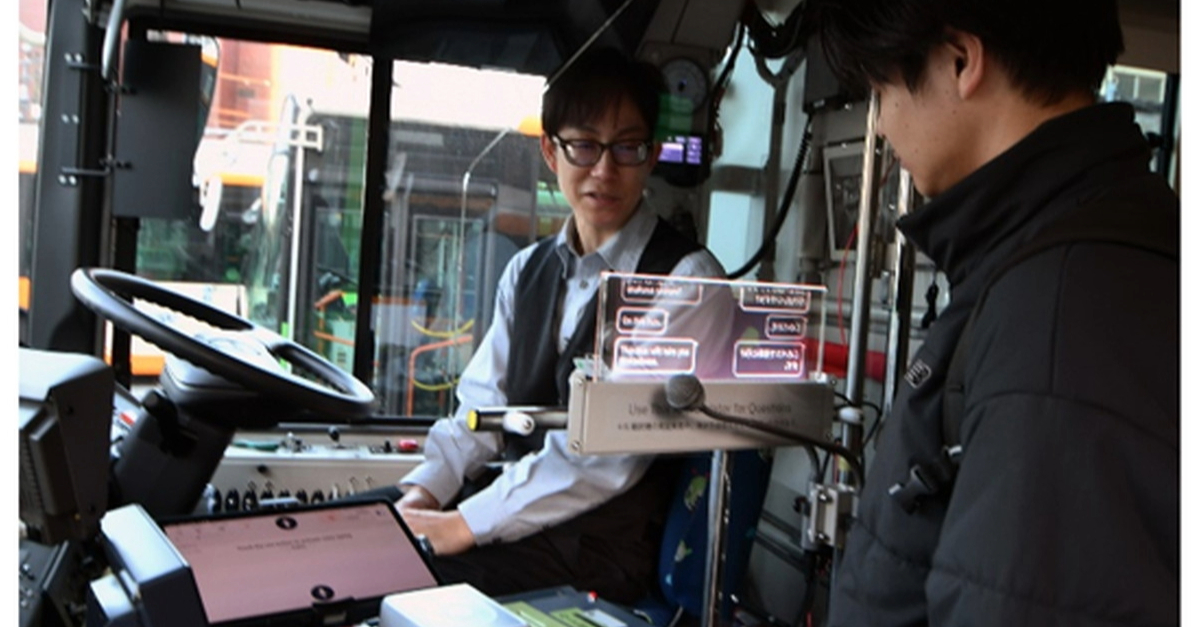
💡AI translation hardware resumes bus trial after durability fix—lessons for edge AI deployments.
⚡ 30-Second TL;DR
What Changed
Trial resumes March 11 after two-month pause due to breakage
Why It Matters
This demonstrates real-world challenges in deploying AI hardware in public transport, highlighting needs for durable edge devices. Success could inspire multilingual AI displays in global transit systems.
What To Do Next
Prototype durable AI translation displays using Whisper for speech recognition in vehicle environments.
Key Points
- •Trial resumes March 11 after two-month pause due to breakage
- •Speech recognition translates audio and displays on transparent screen
- •Initially launched January 15 on Asakusa Toei bus routes
- •Paused January 18 from insufficient device strength
🧠 Deep Insight
Background and context from public sources — not the original article. 3 sources cited.
🔑 Enhanced Key Takeaways
- •TOPPAN Inc., a major Japanese printing and packaging company, developed the AI Translation Transparent Display technology as the private sector provider for this municipal pilot[1][2].
- •The pilot operates on three specific Toei Bus routes in Asakusa (都02, 草63, 草64), targeting high-traffic tourist corridors connecting major stations like Ikebukuro and Ōtsuka to cultural landmarks[1][2].
- •The suspension on January 18, 2026 was caused by insufficient structural strength in the equipment design, requiring reinforcement before resumption—indicating the transparent display hardware faced unexpected mechanical stress during real-world bus operations[3].
🔮 Future ImplicationsAI analysis grounded in cited sources
⏳ Timeline
📎 Sources (3)
Factual claims are grounded in the sources below. Forward-looking analysis is AI-generated interpretation.
Weekly AI Recap
Read this week's curated digest of top AI events →
👉Related Updates

AI-curated news aggregator. All content rights belong to original publishers.
Original source: ITmedia AI+ (日本) ↗
This is a summary, not the original. Read the source, or get the weekly briefing.
Weekly AI briefing
One email a week. Unsubscribe anytime.