TinyGPU v2.0 Proves Tiny Graphics Silicon Works
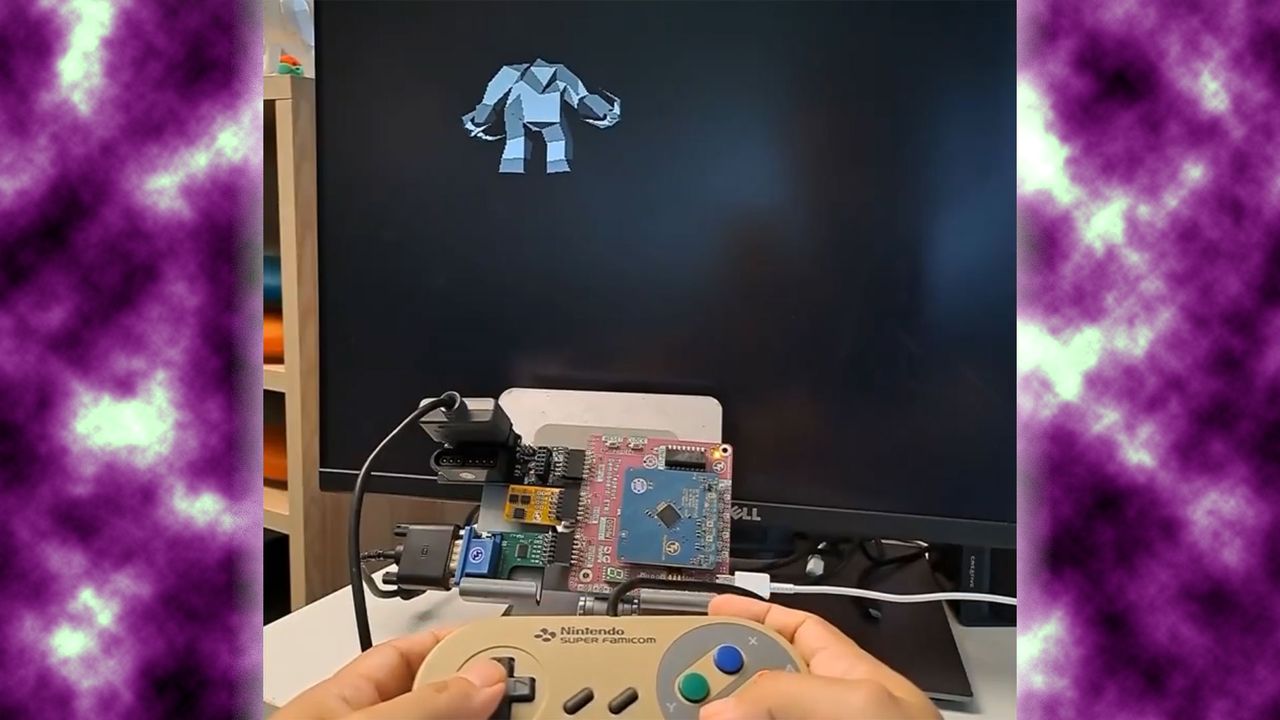
See how a 240,000-transistor GPU moved from tiny-chip fabrication to real 3D graphics output.
30-Second TL;DR
What Changed
TinyGPU v2.0 contains approximately 240,000 transistors.
Why It Matters
The project demonstrates how extremely small custom GPU designs can move from silicon production to functional graphics output. For AI practitioners, it is more relevant as an example of low-cost chip prototyping and edge-compute experimentation than as a ready-made AI accelerator.
What To Do Next
Review TinyGPU v2.0’s open design and evaluate whether its minimal architecture could support a small edge-inference accelerator prototype.
Key Points
- •TinyGPU v2.0 contains approximately 240,000 transistors.
- •The standalone GPU successfully completed a Tiny Tapeout production run.
- •It renders 3D graphics at up to 15 FPS in real-world demonstrations.
- •TinyGPU v3.0 is being prepared for a planned 2026 release.
Deep Insight
AI-generated analysis for this event — not the original article.
Enhanced Key Takeaways
- •TinyGPU is an open-source project developed by researcher James Bowman, designed to demonstrate the feasibility of creating functional graphics hardware using minimal transistor counts.
- •The project utilizes the Tiny Tapeout initiative, which allows hobbyists and researchers to manufacture custom silicon chips at a significantly reduced cost by sharing space on a multi-project wafer.
- •TinyGPU v2.0 is implemented using a RISC-V based architecture, specifically leveraging a custom instruction set tailored for graphics processing rather than general-purpose computing.
- •The chip is fabricated on a 130nm process node, a mature technology chosen for its accessibility and low cost within the open-source hardware community.
- •The rendering pipeline of TinyGPU v2.0 is highly simplified, focusing on rasterization of basic primitives rather than complex shader-based workflows found in modern commercial GPUs.
Technical Deep Dive
- Architecture: Custom RISC-V based graphics processor core.
- Transistor Count: ~240,000 transistors.
- Fabrication Process: 130nm CMOS.
- Interface: Designed for integration with FPGA-based test benches or minimal microcontroller hosts.
- Graphics Capability: Fixed-function rasterization pipeline capable of outputting to standard display interfaces via external conversion.
Future ImplicationsAI analysis grounded in cited sources
Timeline
- 2023-05Initial TinyGPU concept and simulation work begins.
- 2024-02TinyGPU v1.0 submitted for fabrication via Tiny Tapeout.
- 2025-01TinyGPU v2.0 design finalized and submitted for production.
- 2026-04TinyGPU v2.0 silicon returns from the foundry and passes initial power-on tests.
Weekly AI Recap
Read this week's curated digest of top AI events →
AI-curated news aggregator. All content rights belong to original publishers.
Original source: Tom's Hardware ↗
This is a summary, not the original. Read the source, or get the weekly briefing.
The weekly digest
One email a week. Unsubscribe anytime.