Tinder, Zoom Launch Anti-AI Iris Scans
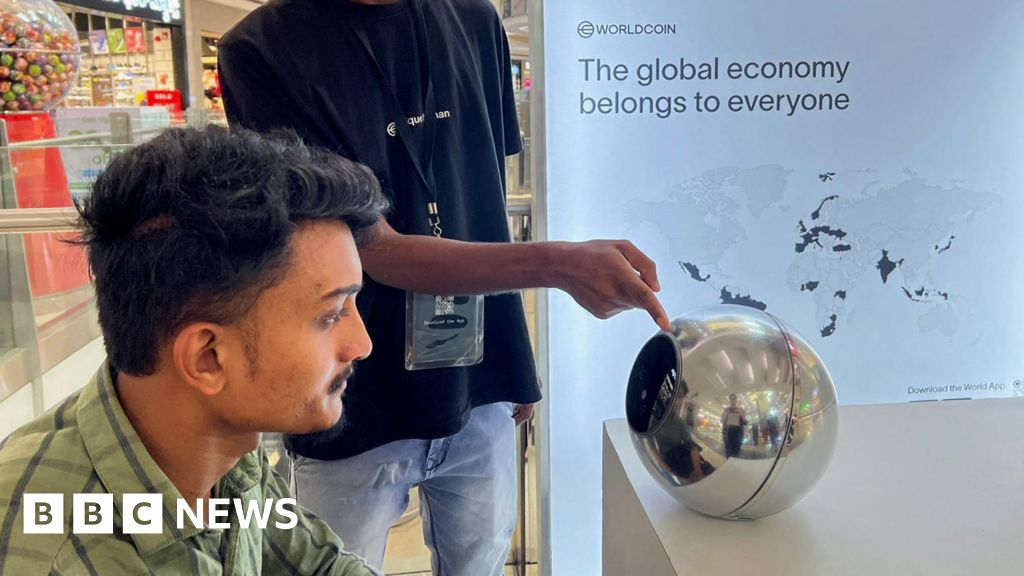
💡Iris scans fight AI fakes on major apps—vital for secure user auth in AI era
⚡ 30-Second TL;DR
What Changed
Tinder and Zoom offer iris scans as 'proof of humanity'
Why It Matters
This signals escalating platform defenses against AI deepfakes, pushing developers toward biometric auth. It may standardize iris tech in apps handling user trust, affecting AI safety integrations.
What To Do Next
Test iris recognition SDKs like Clear or iProov in your app prototypes for AI bot prevention.
Key Points
- •Tinder and Zoom offer iris scans as 'proof of humanity'
- •Tech targets AI-driven fake accounts and scams
- •Iris identification verifies human users over AI fakes
🧠 Deep Insight
AI-generated analysis for this event — not the original article.
🔑 Enhanced Key Takeaways
- •The implementation utilizes decentralized 'World ID' protocols, allowing users to verify their humanity without storing raw biometric iris images on Tinder or Zoom servers.
- •Privacy advocates have raised concerns regarding the potential for 'function creep,' where biometric data collected for verification could eventually be repurposed for targeted advertising or third-party data sharing.
- •The initiative is a response to a 40% year-over-year increase in sophisticated 'deepfake' romance scams on Tinder and AI-driven 'meeting hijacking' incidents on Zoom.
📊 Competitor Analysis▸ Show
| Feature | Tinder/Zoom (Iris Scan) | Bumble (Video Selfie) | Microsoft Teams (AI Watermarking) |
|---|---|---|---|
| Verification Method | Biometric Iris Scan | Behavioral Video Analysis | Cryptographic Metadata |
| Privacy Model | Decentralized/Zero-Knowledge | Centralized Cloud Storage | Enterprise-Managed Identity |
| Primary Goal | Absolute Human Proof | Bot/Catfish Mitigation | Content Authenticity |
🛠️ Technical Deep Dive
- •Utilizes Orb-based hardware sensors to capture high-resolution iris patterns.
- •Employs a Zero-Knowledge Proof (ZKP) architecture to generate a unique 'humanity hash' without transmitting the original biometric image.
- •Integrates with existing OAuth 2.0 flows to provide a 'Verified Human' token to the application layer.
- •Uses liveness detection algorithms (infrared light analysis) to prevent spoofing via high-resolution photos or contact lenses.
🔮 Future ImplicationsAI analysis grounded in cited sources
⏳ Timeline
Weekly AI Recap
Read this week's curated digest of top AI events →
👉Related Updates


AI-curated news aggregator. All content rights belong to original publishers.
Original source: BBC Technology ↗
This is a summary, not the original. Read the source, or get the weekly briefing.
The weekly digest
One email a week. Unsubscribe anytime.