Think Tank Games Out Space Warfare Scenarios
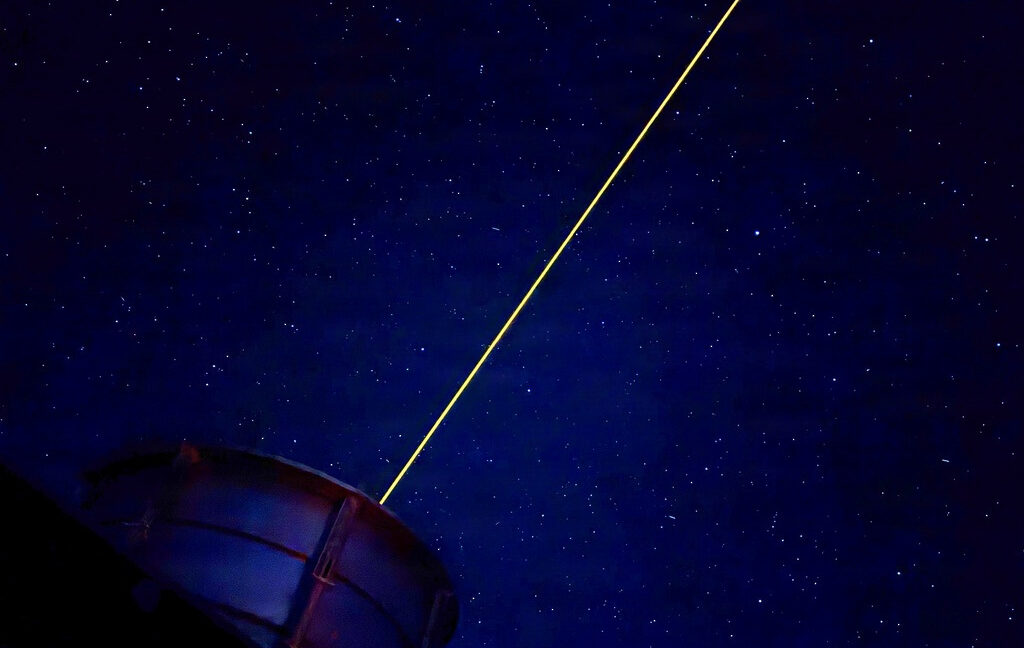
Critical research on AI decision-making thresholds in space warfare, essential for autonomous defense systems.
30-Second TL;DR
What Changed
Simulation of escalation thresholds in orbital warfare
Why It Matters
The research provides a framework for AI-driven decision-making systems in high-stakes defense environments.
What To Do Next
Review game theory frameworks for your autonomous agent's decision-making logic in adversarial environments.
Key Points
- •Simulation of escalation thresholds in orbital warfare
- •Defining proportional responses to space-based disasters
- •Strategic framework for autonomous and human-in-the-loop decision making
Deep Insight
AI-generated analysis for this event — not the original article.
Enhanced Key Takeaways
- •The simulations are heavily influenced by the 'Space Deterrence' framework, which draws parallels between orbital kinetic strikes and terrestrial nuclear escalation ladders.
- •Research indicates that 'gray zone' activities—such as non-destructive laser dazzling or proximity operations—are the primary drivers of ambiguity in current space warfare doctrine.
- •The think tank is integrating 'Game Theory' models to analyze how private commercial satellite operators might inadvertently trigger state-level conflict through defensive maneuvers.
- •A significant portion of the study focuses on the 'Kessler Syndrome' risk, evaluating how debris-generating events change the calculus for proportional retaliation.
- •The project involves collaboration with international legal experts to determine how Article 51 of the UN Charter applies to non-kinetic, cyber-based space attacks.
Technical Deep Dive
- Utilization of Monte Carlo simulation engines to model thousands of potential orbital engagement outcomes based on varying delta-v capabilities.
- Implementation of Bayesian inference models to calculate the probability of intent behind unidentified satellite maneuvers.
- Integration of high-fidelity orbital mechanics propagation software to predict long-term debris field evolution following kinetic intercepts.
- Development of decision-support algorithms that weigh the latency of human-in-the-loop verification against the speed of autonomous defensive responses.
Future ImplicationsAI analysis grounded in cited sources
Timeline
- 2023-05Initial publication of the 'Space Deterrence and Escalation' white paper outlining the need for simulation-based policy.
- 2024-11Think tank secures multi-year funding to develop the 'Orbital Conflict Simulation' (OCS) platform.
- 2025-08Completion of the first phase of simulations focusing on non-kinetic interference scenarios.
- 2026-03Release of preliminary findings regarding the threshold for 'proportional response' in orbital environments.
Weekly AI Recap
Read this week's curated digest of top AI events →
AI-curated news aggregator. All content rights belong to original publishers.
Original source: Ars Technica ↗
This is a summary, not the original. Read the source, or get the weekly briefing.
The weekly digest
One email a week. Unsubscribe anytime.