๐Ÿ“ฑStalecollected in 30m

Thief uses Waymo robotaxi to commit retail theft
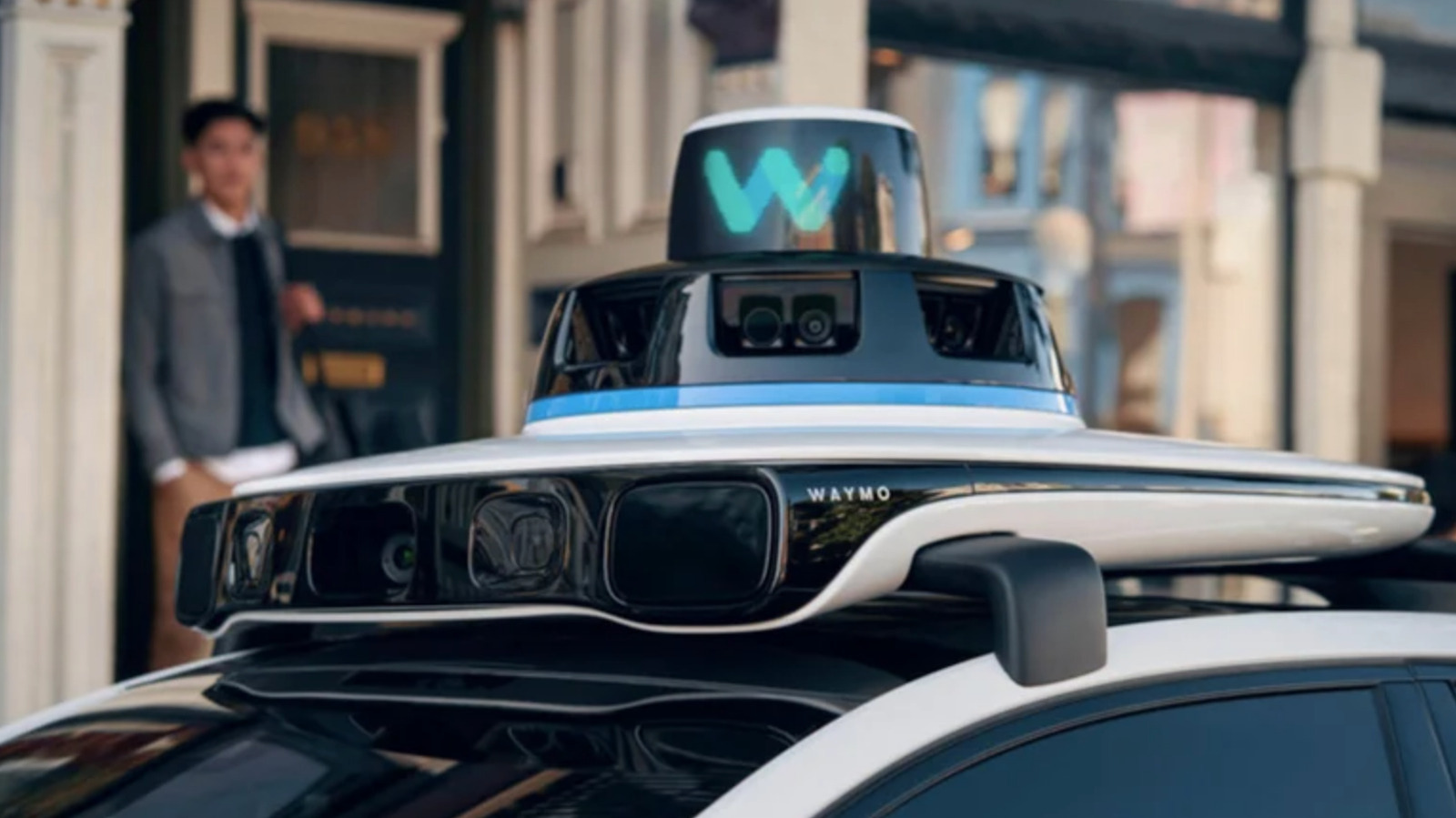
Thief uses Waymo robotaxi to commit retail theft
PostLinkedIn
๐Ÿ“ฑRead original on Engadget

๐Ÿ’กLearn about the security challenges and potential misuse cases facing autonomous vehicle fleets.

โšก 30-Second TL;DR

What Changed

Robotaxi used as a getaway vehicle for retail theft

Why It Matters

This incident may pressure autonomous vehicle operators to implement stricter passenger verification or monitoring systems. It raises questions about liability in robotaxi-assisted crimes.

What To Do Next

If building autonomous fleet management software, implement robust identity verification and real-time monitoring features.

Who should care:Developers & AI Engineers

Key Points

  • โ€ขRobotaxi used as a getaway vehicle for retail theft
  • โ€ขHighlights security and misuse challenges for autonomous fleets
  • โ€ขPart of a growing trend of robotaxi-assisted crimes

๐Ÿง  Deep Insight

Web-grounded analysis with 14 cited sources.

๐Ÿ”‘ Enhanced Key Takeaways

  • โ€ขThe recent retail theft incident occurred in San Francisco in January, where a thief used a Waymo robotaxi to steal yoga clothing.
  • โ€ขLaw enforcement's investigation into the San Francisco theft was hampered because Waymo's external camera footage had faces and details blurred for privacy reasons, and internal footage from the ride was deleted by the time a search warrant was issued in April.
  • โ€ขThis is not an isolated incident of Waymo robotaxis being involved in criminal activity; in January 2025, a suspect attempted to use a Waymo as a getaway vehicle after a grocery store robbery in Los Angeles, though that individual was quickly apprehended.
  • โ€ขWaymo vehicles are designed to prevent unauthorized manual operation, and their Rider Support team can communicate with occupants, ask them to leave the vehicle, and coordinate with emergency services if necessary.
  • โ€ขWaymo's remote assistance model, involving human 'fleet response' agents who can provide guidance to the autonomous system, contrasts with some competitors' approaches that emphasize pure end-to-end AI without human intervention.

๐Ÿ› ๏ธ Technical Deep Dive

  • Waymo's autonomous driving system, known as the 'Waymo Driver,' integrates a multi-modal sensor suite comprising LiDAR, 360-degree cameras, high-resolution radar, and microphones to achieve 360-degree perception up to approximately 300 meters.
  • The system processes this raw sensor data using advanced machine learning algorithms to interpret the vehicle's surroundings and make driving decisions.
  • Waymo vehicles incorporate redundant critical safety systems, including a secondary braking system, designed to bring the vehicle to a safe stop in the event of a technology failure.
  • Unauthorized individuals are prevented from disengaging the automated driving system to manually operate the vehicles.
  • Waymo employs a 'fleet response' team that can access real-time feeds from the vehicle's exterior cameras and a 3D graphical representation of its environment. These agents provide 'teleassistance' by offering contextual information or suggesting paths, but the Waymo Driver maintains ultimate control over driving decisions.
  • The software within Waymo vehicles is protected with a unique signature to mitigate hacking and cybersecurity risks.
  • Waymo's privacy protocols include blurring faces and details in external camera footage and a policy of deleting internal footage after a certain period, which can impact the availability of evidence for investigations.

๐Ÿ”ฎ Future ImplicationsAI analysis grounded in cited sources

Autonomous vehicle companies will face increased regulatory scrutiny regarding data retention and privacy policies in the context of criminal investigations.
The incident highlights a tension between Waymo's privacy measures (blurred footage, data deletion) and law enforcement's need for evidence, likely prompting calls for clearer standards or mandatory data retention for investigative purposes.
The design of robotaxi security systems will evolve to include more sophisticated anti-misuse features and potentially more immediate remote intervention capabilities.
As incidents of misuse, even if unsuccessful in fully commandeering the vehicle, become more publicized, companies will be pressured to enhance remote monitoring, disabling, and interaction systems to deter and prevent such occurrences.
Public perception and trust in autonomous vehicles may be negatively impacted by incidents of criminal misuse, potentially slowing adoption in some urban areas.
Reports of robotaxis being used to facilitate crimes, even minor ones, can erode public confidence in their safety and security, leading to increased skepticism and resistance to their widespread deployment.

โณ Timeline

2009-01
Google's self-driving car project begins.
2016-12
Google's self-driving car project rebrands as Waymo, an independent Alphabet subsidiary.
2018-12
Waymo launches Waymo One, its commercial ride-hailing service, in Phoenix.
2019-11
Waymo One becomes the first autonomous service worldwide to operate without safety drivers.
2024-03
A Waymo robotaxi in San Francisco's Chinatown is graffitied and set on fire.
2025-01
A man is arrested for attempting to steal a Waymo robotaxi in downtown Los Angeles.
2026-01
Thief uses a Waymo robotaxi to commit retail theft in San Francisco.
๐Ÿ“ฐ

Weekly AI Recap

Read this week's curated digest of top AI events โ†’

๐Ÿ‘‰Related Updates

AI-curated news aggregator. All content rights belong to original publishers.
Original source: Engadget โ†—