The Token Bill Behind WorkBuddy's Ecosystem
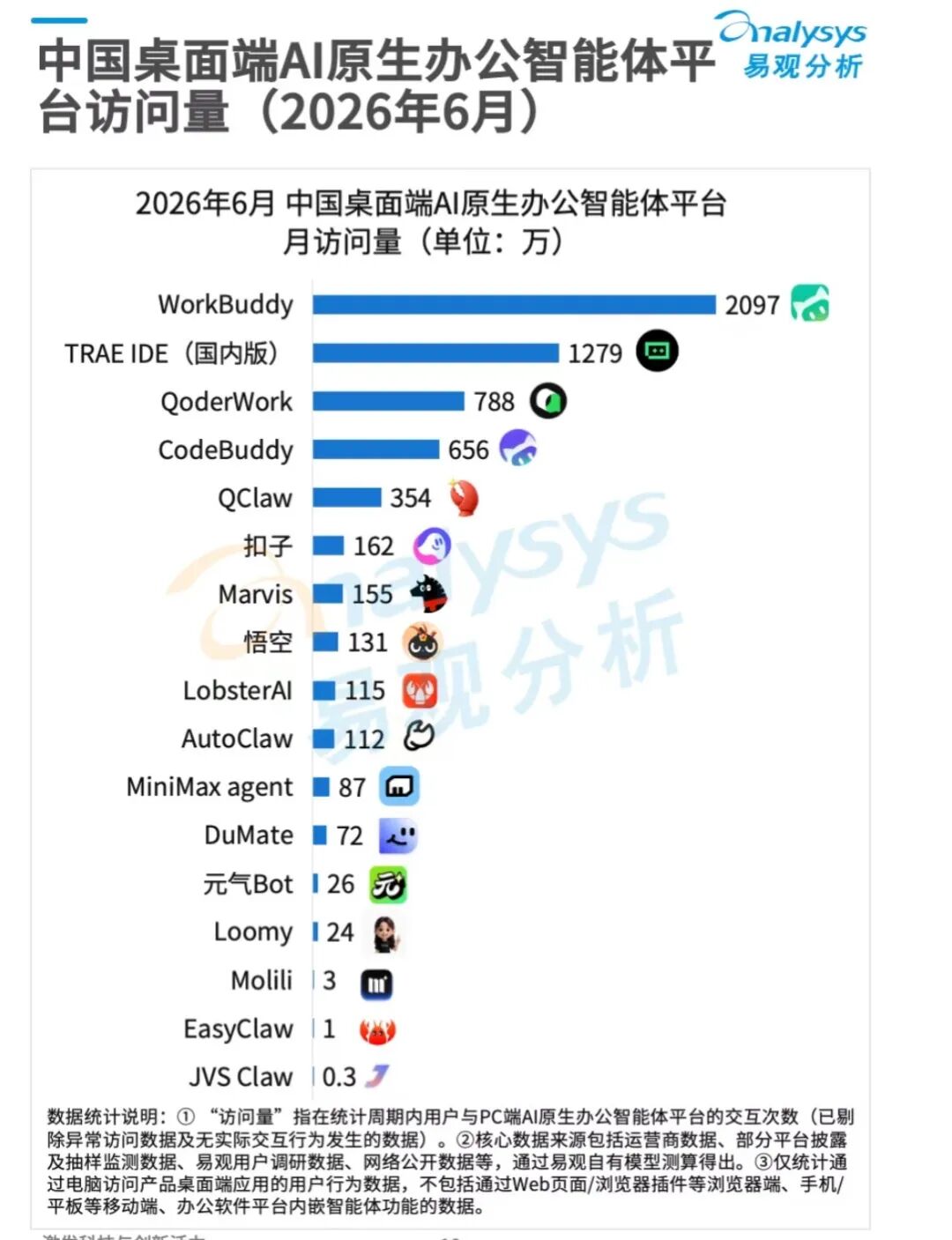
💡Agent ecosystems can grow fast—but who pays the token bill?
⚡ 30-Second TL;DR
What Changed
WorkBuddy is positioning an open platform around AI Agents.
Why It Matters
The core issue is unit economics: open agent ecosystems may scale usage faster than they scale revenue. Builders and founders will need clear cost attribution, usage limits, and monetization models before deploying always-on agents broadly.
What To Do Next
Instrument every WorkBuddy agent run with token, latency, and task-success metrics, then calculate cost per completed task before expanding deployment.
Key Points
- •WorkBuddy is positioning an open platform around AI Agents.
- •Persistent agent activity creates an ongoing token-consumption bill.
- •The platform's economic viability depends on agent-generated value exceeding inference costs.
📰 Event Coverage
Weekly AI Recap
Read this week's curated digest of top AI events →
👉Related Updates



AI-curated news aggregator. All content rights belong to original publishers.
Original source: 钛媒体 ↗
This is a summary, not the original. Read the source, or get the weekly briefing.
Weekly AI briefing
One email a week. Unsubscribe anytime.