The shift to 'Extreme Release' in film distribution
💡Learn how consumer decision-making is shifting to real-time, requiring a pivot in AI-driven marketing strategies.
⚡ 30-Second TL;DR
What Changed
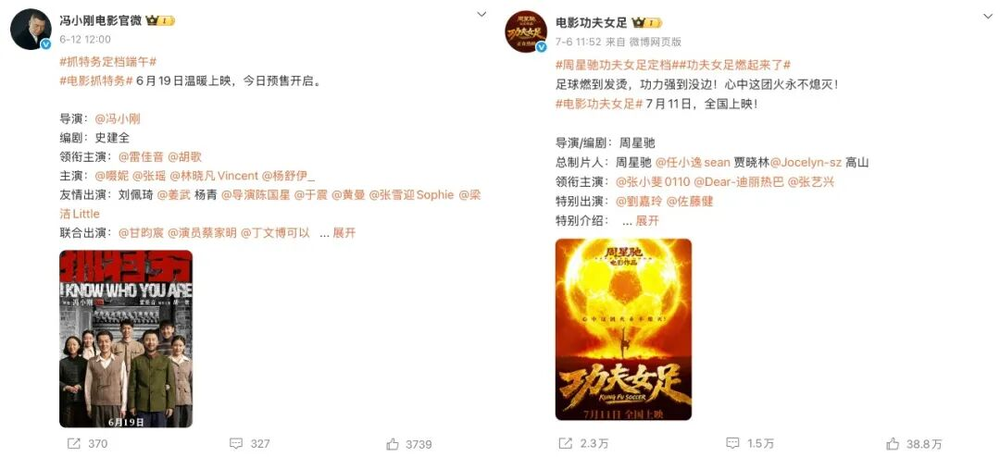
Extreme release windows (e.g., 5 days) are becoming a common tactical response to market volatility.
Why It Matters
Highlights the broader trend of 'instant gratification' in consumer behavior, which AI-driven recommendation engines must adapt to by prioritizing real-time sentiment over historical data.
What To Do Next
Shift your AI marketing tools from predictive 'pre-launch' modeling to real-time sentiment analysis and viral trend detection.
Key Points
- •Extreme release windows (e.g., 5 days) are becoming a common tactical response to market volatility.
- •Traditional 'awareness-interest-conversion' marketing models are failing as consumer decision-making becomes instantaneous.
- •High-quality content and organic word-of-mouth are now the primary drivers of box office success.
- •Marketing budgets are being cut as ROI on pre-release hype continues to diminish.
🧠 Deep Insight
AI-generated analysis for this event — not the original article.
🔑 Enhanced Key Takeaways
- •The 'Extreme Release' strategy is heavily facilitated by the dominance of short-video platforms like Douyin, which allow for rapid, algorithm-driven viral marketing that bypasses traditional media gatekeepers.
- •Data indicates that films utilizing this strategy often see a higher concentration of box office revenue within the first 72 hours, shifting the financial risk profile toward immediate performance rather than long-tail sustainability.
- •Chinese cinema chains have had to adjust their scheduling algorithms and dynamic pricing models to accommodate the sudden influx of 'Extreme Release' titles, often at the expense of mid-tier films with longer marketing runways.
- •This trend is partially a reaction to the 'pre-sale' fatigue among Chinese audiences, who are increasingly skeptical of heavily marketed blockbusters that fail to meet quality expectations upon release.
- •Regulatory bodies in China have occasionally intervened in release scheduling, creating a complex environment where 'Extreme Release' is sometimes a necessity to avoid shifting censorship or policy-driven release windows.
🔮 Future ImplicationsAI analysis grounded in cited sources
⏳ Timeline
Weekly AI Recap
Read this week's curated digest of top AI events →
👉Related Updates



AI-curated news aggregator. All content rights belong to original publishers.
Original source: 虎嗅 ↗
This is a summary, not the original. Read the source, or get the weekly briefing.
The weekly digest
One email a week. Unsubscribe anytime.