The Rise of Dark Themes in Japanese Anime
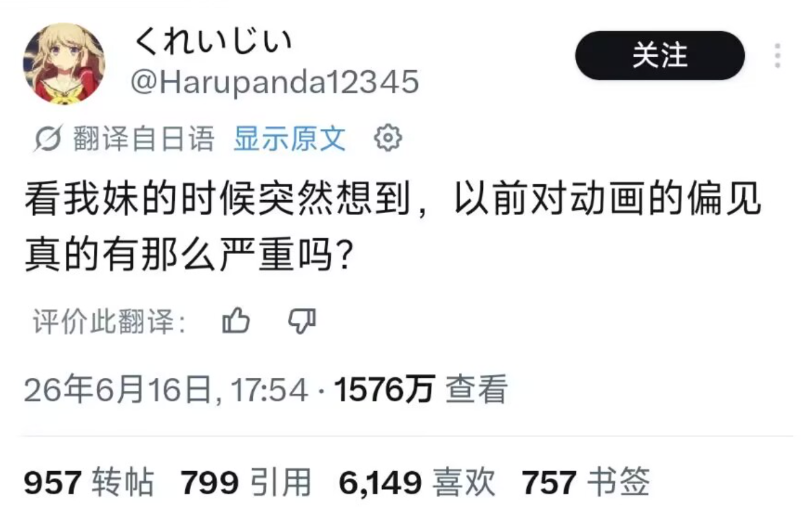
💡Explore how changing cultural trends in anime are redefining storytelling and content production standards.
⚡ 30-Second TL;DR
What Changed
New anime titles are increasingly featuring dark elements like drugs, violence, and social poverty.
Why It Matters
This cultural shift in content creation may influence how AI-generated entertainment and storytelling tools are fine-tuned for specific, darker narrative styles.
What To Do Next
Analyze how narrative datasets are evolving to include more 'dark' or 'realistic' content for training future creative AI models.
Key Points
- •New anime titles are increasingly featuring dark elements like drugs, violence, and social poverty.
- •The target audience is shifting from 'core anime fans' to general social media users who value relatable content.
- •Production companies like MAPPA are investing heavily in these niche, dark-themed stories.
- •The trend represents a departure from 'progressive' or 'redemptive' narratives toward realistic, often cynical, depictions.
🧠 Deep Insight
AI-generated analysis for this event — not the original article.
🔑 Enhanced Key Takeaways
- •The rise of 'dark' anime is heavily correlated with the 'seinen' demographic expansion, where streaming platforms like Netflix and Crunchyroll have incentivized mature content to capture global adult audiences.
- •Economic stagnation in Japan, often referred to as the 'Lost Decades,' has created a cultural environment where creators mirror the disillusionment of younger generations through 'gritty realism' in storytelling.
- •The 'webtoon' and 'social media manga' influence has shortened narrative arcs, favoring high-impact, shocking, or cynical plot twists that perform better in algorithmic content discovery.
- •Production committees are increasingly bypassing traditional TV broadcast constraints by prioritizing streaming-first models, which allow for explicit content that would otherwise be censored on terrestrial Japanese television.
- •There is a measurable decline in the 'moe' (cute/charming) aesthetic dominance in favor of high-contrast, desaturated, and cinematic visual styles that align with the darker thematic tone.
🔮 Future ImplicationsAI analysis grounded in cited sources
⏳ Timeline
Weekly AI Recap
Read this week's curated digest of top AI events →
👉Related Updates


AI-curated news aggregator. All content rights belong to original publishers.
Original source: 虎嗅 ↗
This is a summary, not the original. Read the source, or get the weekly briefing.
The weekly digest
One email a week. Unsubscribe anytime.