The rise of 'Sephora Kids' and anti-aging anxiety
💡Insight into how algorithmic influence shapes human behavior and psychological development in the digital age.
⚡ 30-Second TL;DR
What Changed
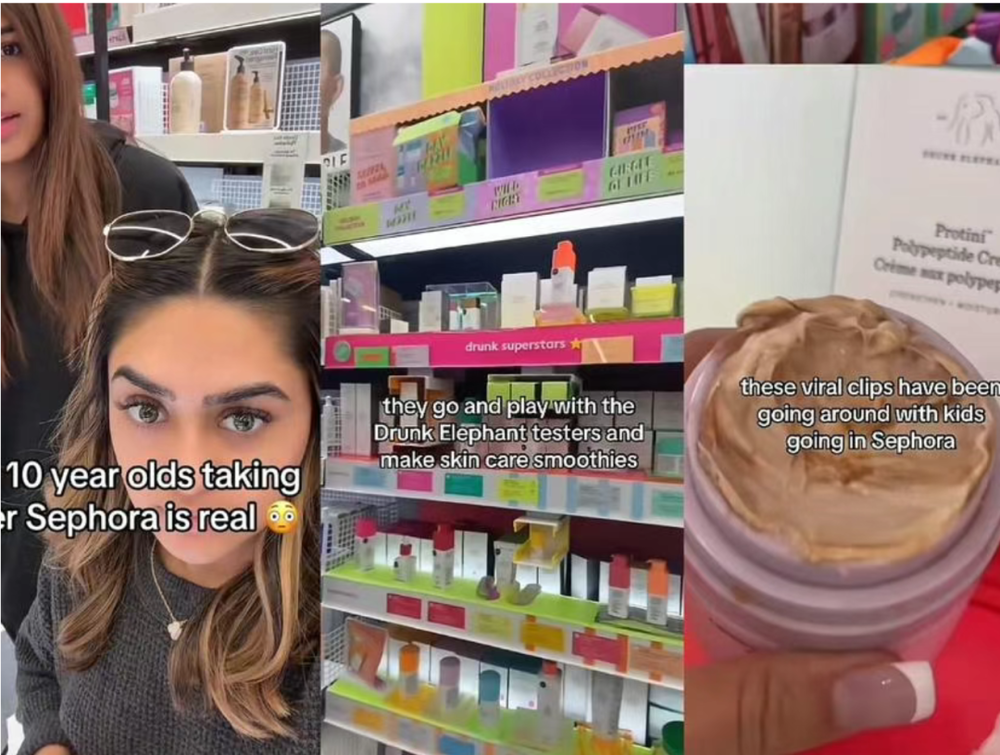
Children as young as 10 are using high-concentration retinol and anti-aging products.
Why It Matters
This trend reflects how algorithmic social media feeds create artificial needs and psychological distress, even in children, highlighting the ethical responsibilities of content platforms.
What To Do Next
Analyze how recommendation algorithms contribute to 'artificial needs' and consider ethical guardrails for content targeting minors.
Key Points
- •Children as young as 10 are using high-concentration retinol and anti-aging products.
- •Social media and peer pressure are primary drivers of this 'adultification' trend.
- •Over-activation of the prefrontal cortex in children for non-age-appropriate tasks may lead to early burnout.
- •Chronic self-objectification and appearance anxiety can alter brain development pathways.
🧠 Deep Insight
Background and context from public sources — not the original article. 32 sources cited.
🔑 Enhanced Key Takeaways
- •Dermatologists warn that specific ingredients like retinoids, alpha-hydroxy acids (AHAs), beta-hydroxy acids (BHAs), Vitamin C, peptides, and strong fragrances found in adult anti-aging products are particularly harmful to children's thinner, more sensitive, and still-developing skin.
- •Beyond irritation, the misuse of these products can lead to severe dermatological issues such as irritant contact dermatitis, a compromised skin barrier, increased sun sensitivity, allergic reactions, worsening of acne, and potential long-term damage or scarring.
- •The psychological impact extends to the coining of 'cosmeticorexia,' a term describing obsessive behavior around beauty products that can trigger early signs of body dysmorphia and severe anxiety in children.
- •The 'Sephora Kids' phenomenon has a significant economic dimension, with Generation Alpha spending nearly $4.7 billion on beauty products in 2023, surpassing other demographics, often with parents making these purchases.
- •Some beauty brands have responded to the trend by clarifying which of their products are suitable for younger users, while the broader industry continues to target children through social media influencers.
🔮 Future ImplicationsAI analysis grounded in cited sources
⏳ Timeline
📎 Sources (32)
Factual claims are grounded in the sources below. Forward-looking analysis is AI-generated interpretation.
- yalemedicine.org
- choc.org
- lebonheur.org
- firstderm.com
- clickondetroit.com
- skinandwellbeingclinic.com
- livhospital.com
- girlyishskincare.com
- skinlycious.com
- simplyderm.com
- healthychildren.org
- utah.edu
- aad.org
- manipalcigna.com
- ijdvl.com
- uclahealth.org
- uhhospitals.org
- meer.com
- oneskin.co
- largerfamilylife.com
- humanium.org
- youtube.com
- dermatologytimes.com
- findmykids.org
- aytm.com
- independent.co.uk
- imuaonline.org
- thedailystar.net
- cbc.ca
- psychologytoday.com
- jddonline.com
- brandnation.co.uk
Weekly AI Recap
Read this week's curated digest of top AI events →
👉Related Updates




AI-curated news aggregator. All content rights belong to original publishers.
Original source: 虎嗅 ↗
This is a summary, not the original. Read the source, or get the weekly briefing.
The weekly digest
One email a week. Unsubscribe anytime.