The pharmaceutical industry's strategic comeback
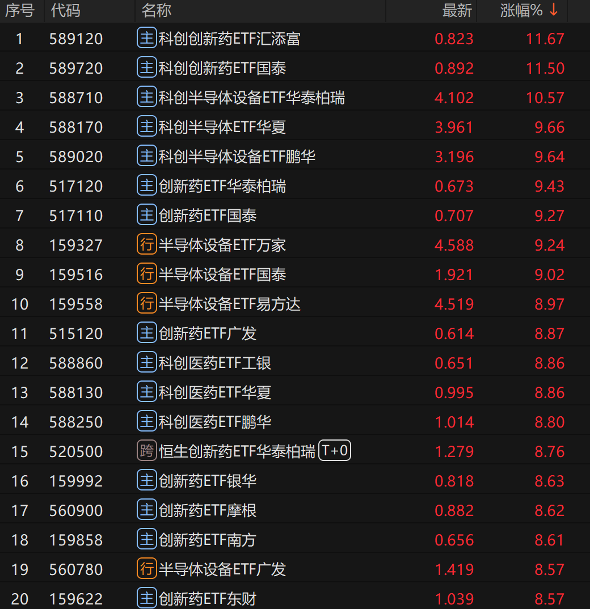
💡Understand the macro-trends driving the pharmaceutical sector's resurgence, potentially linked to AI-accelerated R&D.
⚡ 30-Second TL;DR
What Changed
Structural recovery of the pharmaceutical industry
Why It Matters
Increased investment in pharmaceutical R&D, potentially accelerated by AI-driven drug discovery, is likely fueling this sector-wide momentum.
What To Do Next
Explore AI-driven drug discovery platforms like AlphaFold or similar tools to identify opportunities for cross-disciplinary innovation in biotech.
Key Points
- •Structural recovery of the pharmaceutical industry
- •Shift from market volatility to fundamental growth
- •Long-term strategic positioning in the healthcare sector
🧠 Deep Insight
AI-generated analysis for this event — not the original article.
🔑 Enhanced Key Takeaways
- •The resurgence is heavily driven by the integration of Generative AI in drug discovery, which has reduced the R&D cycle for novel molecules by an estimated 30-40%.
- •China's pharmaceutical sector is undergoing a 'quality-over-quantity' transition, moving away from generic manufacturing toward high-barrier innovative biologics and cell therapies.
- •Policy shifts, specifically the normalization of centralized procurement (VBP) in China, have forced companies to optimize cost structures, leading to leaner, more sustainable operational models.
- •Cross-border licensing deals (license-out) have reached record highs, signaling that domestic Chinese pharmaceutical firms are now recognized as global innovation partners rather than just local distributors.
- •The sector is seeing a massive influx of capital into GLP-1 receptor agonists and metabolic disease treatments, which have become the primary growth engines for major pharmaceutical balance sheets in 2025-2026.
🛠️ Technical Deep Dive
- AI-Driven Drug Discovery: Implementation of transformer-based models for protein structure prediction (AlphaFold-like architectures) to identify binding sites.
- High-Throughput Screening (HTS): Integration of microfluidics and automated robotic platforms to accelerate lead optimization.
- Bioprocessing: Adoption of continuous manufacturing techniques to improve yield and reduce batch-to-batch variability in monoclonal antibody production.
- Clinical Trial Optimization: Use of real-world evidence (RWE) and synthetic control arms to expedite regulatory approval processes.
🔮 Future ImplicationsAI analysis grounded in cited sources
⏳ Timeline
Weekly AI Recap
Read this week's curated digest of top AI events →
👉Related Updates

AI-curated news aggregator. All content rights belong to original publishers.
Original source: 钛媒体 ↗
This is a summary, not the original. Read the source, or get the weekly briefing.
Weekly AI briefing
One email a week. Unsubscribe anytime.