The 'Monkey Module' Hype: CRO Market and Asset Valuation
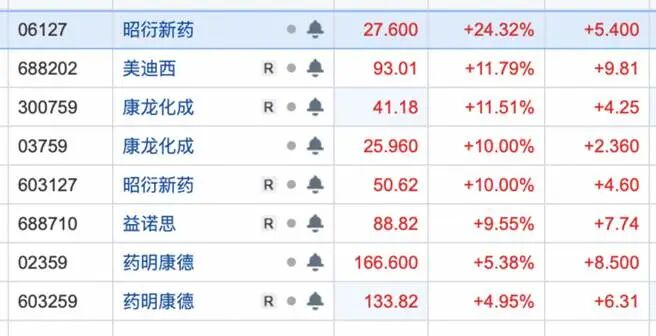
💡Understand the 'Monkey Module' stock market phenomenon and the critical role of biological assets in the CRO industry.
⚡ 30-Second TL;DR
What Changed
JOINN Laboratories' profit surge is primarily driven by 'fair value changes' of biological assets, not operational cash flow.
Why It Matters
The reliance on biological asset valuation highlights the volatility of CRO companies exposed to experimental animal supply chains. Investors should distinguish between paper gains and sustainable operational growth.
What To Do Next
If you are building AI-driven drug discovery platforms, evaluate your dependency on physical lab resources and the potential cost volatility of biological models.
Key Points
- •JOINN Laboratories' profit surge is primarily driven by 'fair value changes' of biological assets, not operational cash flow.
- •Experimental monkeys (cynomolgus monkeys) are critical for drug safety evaluation, but supply is constrained by breeding cycles and regulations.
- •The 'Monkey Module' market hype reflects investor sentiment shifting toward innovative drug support sectors during tech sector volatility.
🧠 Deep Insight
AI-generated analysis for this event.
🔑 Enhanced Key Takeaways
- •The surge in cynomolgus monkey valuations was largely triggered by the 2020 COVID-19 pandemic, which caused a global supply crunch as demand for vaccine development skyrocketed.
- •JOINN Laboratories' financial reporting strategy utilized 'fair value measurement' under IFRS/CAS, allowing them to book unrealized gains on biological assets directly into the income statement.
- •Regulatory shifts, including the CITES convention and stricter export controls from Southeast Asian nations, significantly restricted the cross-border trade of non-human primates, exacerbating the supply-demand imbalance.
- •The 'Monkey Module' phenomenon led to a broader industry trend where CROs (Contract Research Organizations) began vertically integrating by acquiring or building their own primate breeding centers to secure supply chains.
- •Subsequent market corrections occurred as the demand for COVID-19 related drug development subsided, leading to inventory write-downs and a normalization of biological asset valuations.
📊 Competitor Analysis▸ Show
| Competitor | Primate Supply Strategy | Core Focus | Market Position |
|---|---|---|---|
| WuXi AppTec | Strategic partnerships & captive breeding | Integrated R&D services | Global leader |
| Pharmaron | Acquisition of primate facilities | Integrated drug discovery | Major player |
| Crown Bioscience | Outsourced procurement | Preclinical oncology | Specialized CRO |
🛠️ Technical Deep Dive
- Cynomolgus monkeys (Macaca fascicularis) are the preferred model for toxicology studies due to their physiological and genetic similarity to humans.
- Regulatory requirements (e.g., NMPA, FDA) mandate non-human primate testing for most small-molecule and biologic drug candidates before Phase I clinical trials.
- Breeding cycles for these primates are long, typically requiring 4-5 years to reach sexual maturity and produce offspring suitable for research, creating an inelastic supply curve.
- Fair value accounting for biological assets involves periodic appraisals based on market prices for live animals, which are highly volatile and sensitive to regulatory export quotas.
🔮 Future ImplicationsAI analysis grounded in cited sources
⏳ Timeline
Weekly AI Recap
Read this week's curated digest of top AI events →
👉Related Updates



AI-curated news aggregator. All content rights belong to original publishers.
Original source: 虎嗅 ↗