The Mill That Explains AI
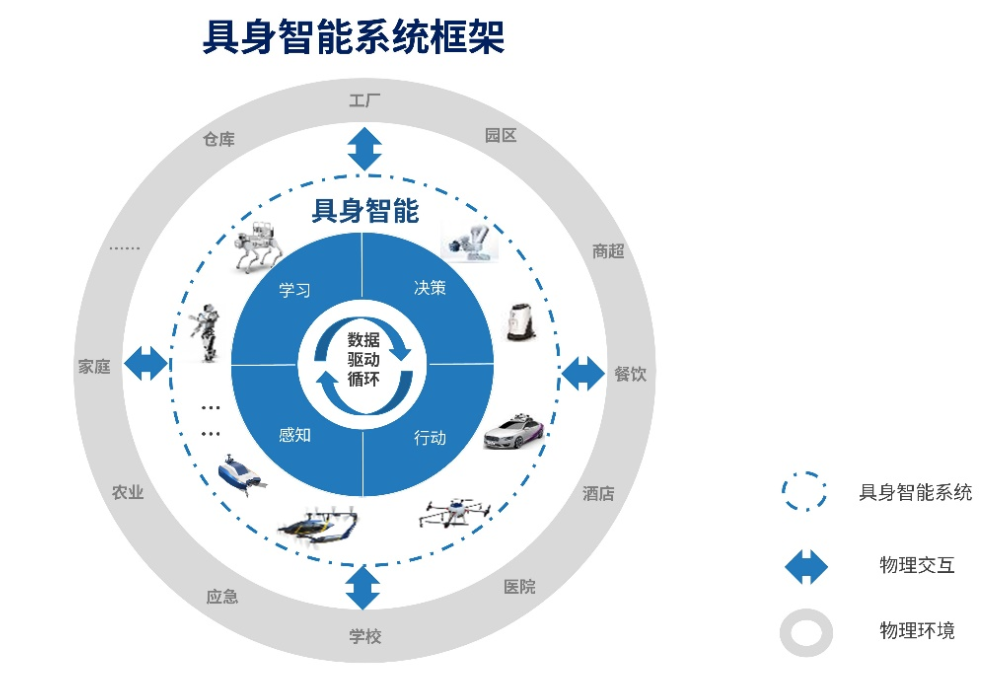
💡A simple mill analogy clarifies the gap between today’s generation and more autonomous AI.
⚡ 30-Second TL;DR
What Changed
The mill analogy provides a simple framework for understanding AI systems.
Why It Matters
A clear mental model can help practitioners explain AI capabilities and limitations to nontechnical stakeholders. It may also encourage teams to distinguish current automation from genuinely autonomous reasoning.
What To Do Next
Use the OpenAI Responses API to prototype one workflow with tool calling, then document which steps remain human-controlled versus automated.
Key Points
- •The mill analogy provides a simple framework for understanding AI systems.
- •AI evolution is described as incremental rather than mysterious or magical.
- •The progression moves from passive generation toward reasoning and self-iteration.
🧠 Deep Insight
AI-generated analysis for this event.
🔑 Enhanced Key Takeaways
- •The 'Mill' analogy is frequently utilized in Chinese tech discourse to demystify Large Language Models (LLMs) by framing them as 'information processing factories' that convert raw data into structured intelligence.
- •This conceptual framework aligns with the 'Data-Compute-Algorithm' triad, emphasizing that the mill's efficiency is constrained by the quality of input (data) and the mechanical throughput (compute).
- •Industry analysts use this model to explain the transition from 'System 1' (fast, intuitive, pattern-matching) to 'System 2' (slow, deliberate, reasoning-based) AI architectures.
- •The analogy serves as a pedagogical tool to counter 'AI mystification,' arguing that AI is a deterministic engineering product rather than a sentient entity.
- •Recent discourse surrounding this model highlights the shift toward 'Agentic AI,' where the mill no longer just processes inputs but autonomously manages its own workflow and resource allocation.
🔮 Future ImplicationsAI analysis grounded in cited sources
Weekly AI Recap
Read this week's curated digest of top AI events →
👉Related Updates

AI-curated news aggregator. All content rights belong to original publishers.
Original source: 钛媒体 ↗