AI Profits Under the Microscope
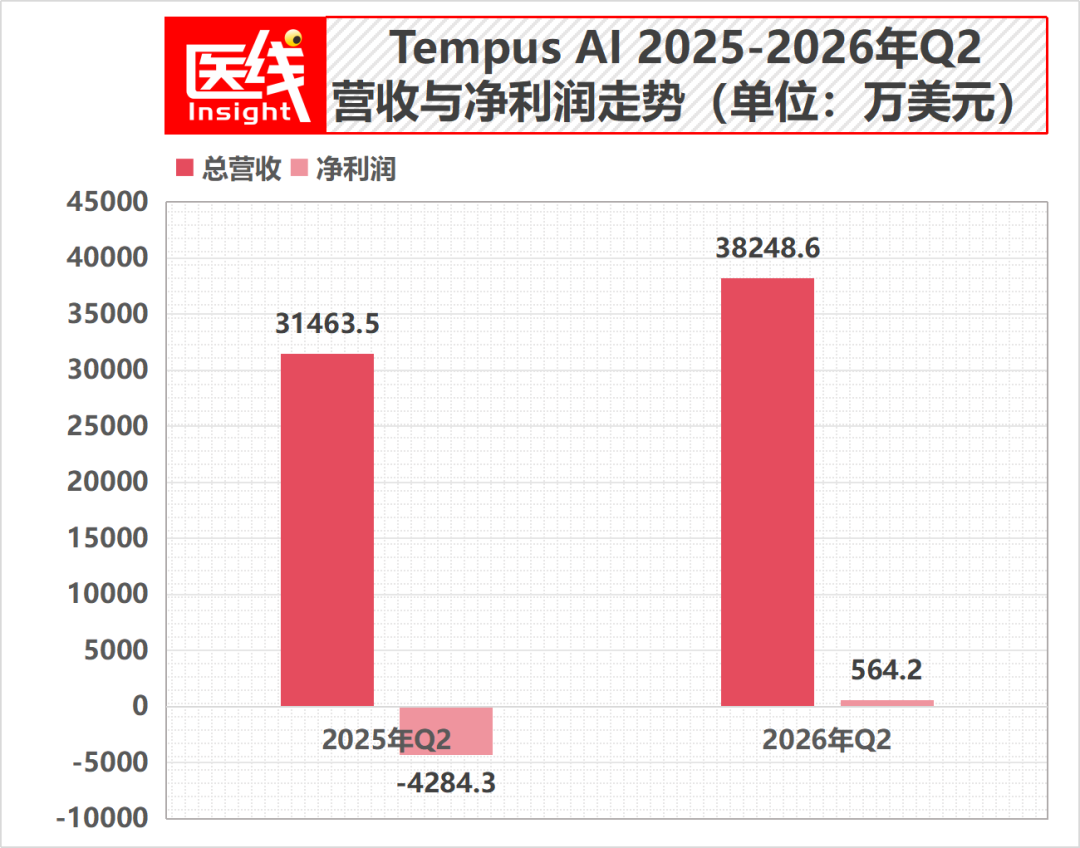
💡Reported AI profits may not come from AI—learn what to audit before investing or partnering.
⚡ 30-Second TL;DR
What Changed
Reported profitability may rely on internal transactions rather than core AI operations.
Why It Matters
The analysis warns founders, investors, and enterprise buyers not to equate reported profit with validated AI product-market fit. It also highlights the need for greater scrutiny of revenue quality and related-party financial activity in AI healthcare.
What To Do Next
Before partnering with an AI healthcare vendor, audit its revenue by excluding related-party transactions and separately quantifying cash revenue from deployed AI products.
Key Points
- •Reported profitability may rely on internal transactions rather than core AI operations.
- •Stock-based compensation is presented as another factor inflating the financial figures.
- •The company’s genuine commercial closed loop and sustainable AI revenue remain uncertain.
🧠 Deep Insight
AI-generated analysis for this event.
🔑 Enhanced Key Takeaways
- •The scrutiny centers on the financial reporting practices of major Chinese AI healthcare firms, specifically questioning the capitalization of R&D expenses as a method to artificially boost net income.
- •Analysts have identified a pattern where these companies utilize 'related-party transactions' with subsidiaries or affiliated hospitals to generate artificial revenue streams that lack external market validation.
- •Regulatory bodies in the Chinese market have recently tightened disclosure requirements for AI-driven healthcare startups, specifically targeting the transparency of stock-based compensation (SBC) accounting.
- •Industry reports indicate that while these firms claim high adoption rates for AI diagnostic tools, the actual clinical utilization rates remain significantly lower than the figures used to justify their valuation models.
- •The controversy highlights a broader trend in the AI sector where 'AI-as-a-Service' (AIaaS) revenue is often conflated with one-time hardware sales or consulting fees, obscuring the lack of recurring software subscription growth.
📊 Competitor Analysis▸ Show
| Feature | AI Healthcare Leader (Subject) | Competitor A (e.g., Infervision) | Competitor B (e.g., VoxelCloud) |
|---|---|---|---|
| Core Focus | Diagnostic Imaging/Workflow | Radiology AI/Workflow | Pathology/Imaging AI |
| Revenue Model | Mixed (SaaS/Hardware/Internal) | SaaS/Licensing | SaaS/Project-based |
| Market Status | Publicly Claimed Profit | Private/Growth Stage | Private/Growth Stage |
| Transparency | Low (Under Scrutiny) | Moderate | Moderate |
🛠️ Technical Deep Dive
- The underlying diagnostic models typically utilize ensemble learning architectures combining CNNs for image segmentation and Transformers for clinical report generation.
- Implementation often relies on private cloud deployments within hospital intranets to comply with data privacy regulations, which limits the scalability of centralized model training.
- Financial data manipulation concerns often stem from the 'capitalization of development costs' under local accounting standards, where labor costs for model training are moved from the P&L to the balance sheet as intangible assets.
🔮 Future ImplicationsAI analysis grounded in cited sources
⏳ Timeline
Weekly AI Recap
Read this week's curated digest of top AI events →
👉Related Updates


AI-curated news aggregator. All content rights belong to original publishers.
Original source: 钛媒体 ↗