The logic of Chinese fruit exports is evolving
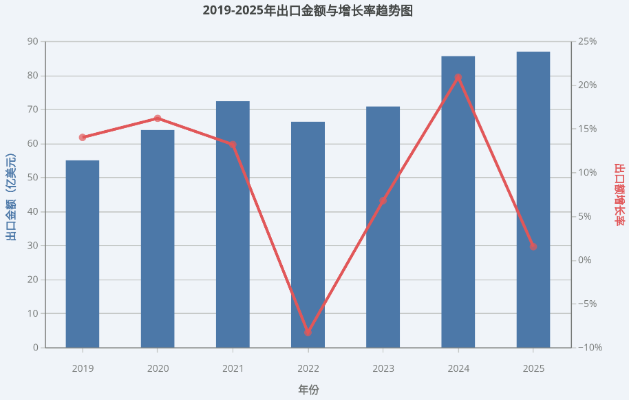
Learn how data-driven supply chain shifts are redefining traditional agricultural export models.
30-Second TL;DR
What Changed
Product category structures are being optimized for global markets
Why It Matters
Modernizing agricultural exports through AI-driven logistics and demand forecasting can significantly increase profit margins for exporters.
What To Do Next
Implement a demand forecasting model using time-series analysis to optimize inventory for perishable goods.
Key Points
- •Product category structures are being optimized for global markets
- •Origin-based production capabilities are becoming more data-driven
- •Distribution channels are shifting toward digital-first platforms
Deep Insight
AI-generated analysis for this event — not the original article.
Enhanced Key Takeaways
- •The implementation of 'Cold Chain Logistics 2.0' in China has significantly reduced post-harvest loss rates for perishable fruit exports by integrating IoT-enabled temperature monitoring.
- •China's fruit export strategy has shifted from low-value bulk commodities to high-margin premium varieties like Shine Muscat grapes and premium citrus, targeting the RCEP (Regional Comprehensive Economic Partnership) markets.
- •Cross-border e-commerce platforms are increasingly utilizing AI-driven demand forecasting to align domestic harvest cycles with specific international consumer preferences in Southeast Asia and the Middle East.
- •Government-backed 'Digital Agriculture' zones have standardized grading and packaging protocols, allowing Chinese fruit exporters to meet stringent EU and North American phytosanitary standards more consistently.
- •Blockchain technology is being piloted in the supply chain to provide end-to-end traceability, addressing international concerns regarding food safety and origin transparency.
Technical Deep Dive
- IoT Sensor Integration: Deployment of real-time temperature, humidity, and ethylene gas sensors within shipping containers to monitor fruit ripening states during transit.
- Predictive Analytics Models: Utilization of machine learning algorithms to analyze historical weather patterns and soil data to optimize harvest timing for maximum shelf-life.
- Automated Grading Systems: Implementation of computer vision and near-infrared (NIR) spectroscopy to non-destructively measure sugar content (Brix levels) and internal defects in fruit.
- Blockchain Traceability: Use of distributed ledger technology to record every touchpoint from orchard to port, creating immutable logs for customs and consumer verification.
Future ImplicationsAI analysis grounded in cited sources
Timeline
- 2020-11Signing of the RCEP agreement, creating a massive free-trade framework for Chinese fruit exports.
- 2022-06Ministry of Agriculture and Rural Affairs releases the 'Digital Agriculture and Rural Development Plan' to modernize supply chains.
- 2024-03Expansion of pilot programs for blockchain-based food safety traceability in major fruit-producing provinces.
- 2025-09Record-breaking export volume of premium Chinese-grown Shine Muscat grapes to Southeast Asian markets.
Weekly AI Recap
Read this week's curated digest of top AI events →
AI-curated news aggregator. All content rights belong to original publishers.
Original source: 钛媒体 ↗
This is a summary, not the original. Read the source, or get the weekly briefing.
The weekly digest
One email a week. Unsubscribe anytime.