The inflation of AI product titles in China
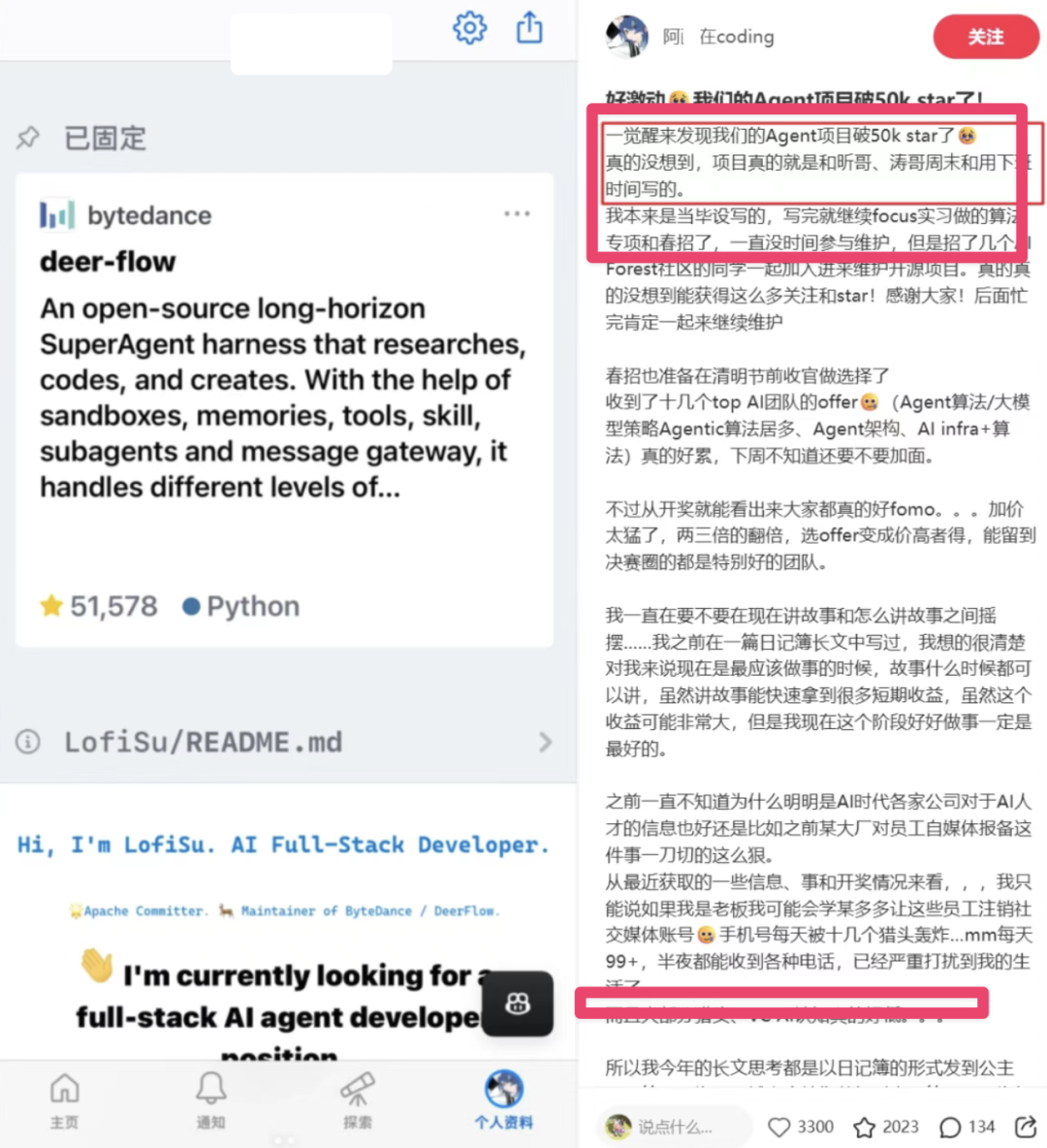
💡A cautionary tale on navigating the hype-driven AI talent market and verifying true technical expertise.
⚡ 30-Second TL;DR
What Changed
AI industry titles are often inflated to facilitate personal branding and commercialization.
Why It Matters
Highlights the need for better verification of technical expertise and project ownership in the competitive AI job market.
What To Do Next
Verify candidate claims by checking actual GitHub commit history and specific technical contributions rather than just titles.
Key Points
- •AI industry titles are often inflated to facilitate personal branding and commercialization.
- •Open-source contributions are frequently misrepresented to claim 'project lead' status.
- •The lack of transparent metrics allows for the proliferation of 'fake' AI experts.
🧠 Deep Insight
AI-generated analysis for this event — not the original article.
🔑 Enhanced Key Takeaways
- •The phenomenon is exacerbated by the 'resume-padding' culture in China's hyper-competitive tech job market, where candidates use AI buzzwords to bypass automated HR screening filters.
- •Venture capital firms in China have begun implementing 'technical due diligence' audits, specifically checking GitHub commit history and contributor logs to verify the authenticity of AI project leadership claims.
- •The rise of 'AI-as-a-Service' (AIaaS) platforms has enabled individuals to wrap existing open-source models (like Llama or Qwen) with minor UI changes, rebranding them as proprietary 'in-house' innovations to secure senior titles.
- •Academic institutions and research labs in China are facing pressure to standardize AI contribution metrics to prevent students and junior researchers from overstating their roles in collaborative papers.
- •Headhunting firms are increasingly utilizing specialized background check services that cross-reference claimed AI project contributions against public repository metadata and commit signatures.
🔮 Future ImplicationsAI analysis grounded in cited sources
⏳ Timeline
Weekly AI Recap
Read this week's curated digest of top AI events →
👉Related Updates

AI-curated news aggregator. All content rights belong to original publishers.
Original source: 虎嗅 ↗
This is a summary, not the original. Read the source, or get the weekly briefing.
The weekly digest
One email a week. Unsubscribe anytime.