The history of corruption within FIFA's power network
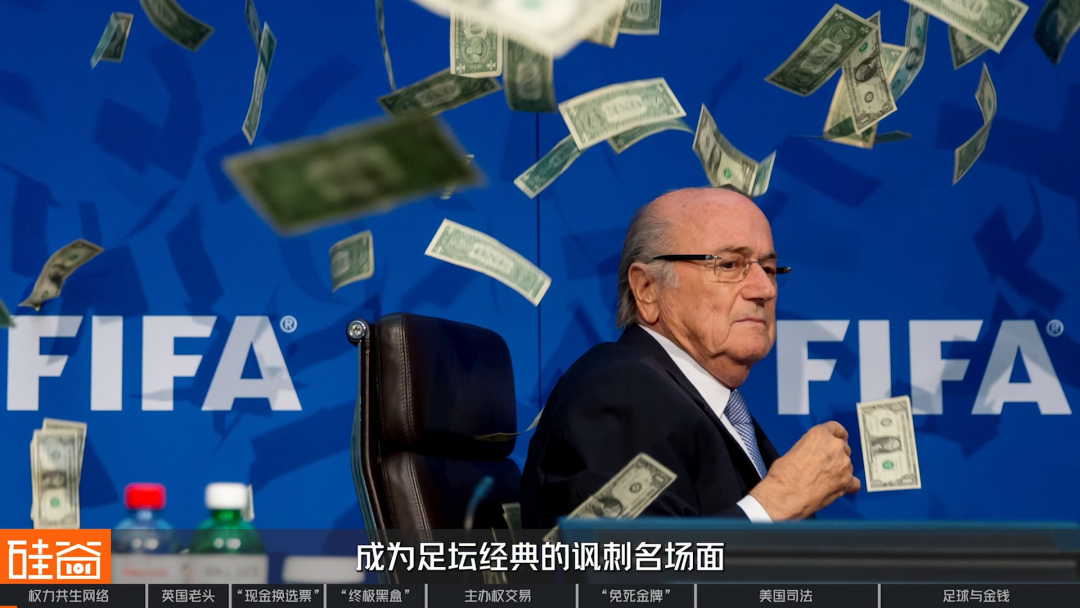
💡A cautionary lesson on how centralized power and lack of transparency can destroy even the largest global organizations.
⚡ 30-Second TL;DR
What Changed
FIFA's corruption was systemic, involving bribery for broadcasting and marketing rights.
Why It Matters
The case study illustrates how centralized power without transparent oversight leads to institutional decay, a lesson applicable to the governance of large-scale AI consortia.
What To Do Next
If developing governance frameworks for AI DAOs or consortia, implement transparent, immutable audit trails to prevent the formation of opaque power networks.
Key Points
- •FIFA's corruption was systemic, involving bribery for broadcasting and marketing rights.
- •The 'Blatter era' relied on a 'vote-for-favors' network among regional football associations.
- •Investigative journalists like Andrew Jennings were crucial in exposing the 2015 corruption scandal.
- •Corporate sponsors eventually forced leadership changes by threatening to withdraw funding.
🧠 Deep Insight
AI-generated analysis for this event.
🔑 Enhanced Key Takeaways
- •The 2015 U.S. Department of Justice indictment, known as the 'FIFA Gate' scandal, charged 14 individuals with racketeering, wire fraud, and money laundering, marking the first time U.S. authorities aggressively pursued international sports corruption.
- •The Swiss Office of the Attorney General initiated separate criminal proceedings against Sepp Blatter regarding a 'disloyal payment' of 2 million Swiss francs to Michel Platini, which served as a catalyst for the ethics committee bans.
- •FIFA's internal governance reforms post-2015 included the creation of a new FIFA Council to replace the Executive Committee, intended to increase transparency and limit the power of the FIFA President.
- •The 'CONCACAF' and 'CONMEBOL' regional confederations were identified as the primary hubs for the bribery schemes, where marketing executives paid millions in kickbacks to secure media rights for tournaments like the Copa América.
- •Despite reforms, FIFA has faced ongoing criticism regarding the 2022 Qatar World Cup bidding process, with subsequent investigations and reports highlighting concerns over human rights and labor conditions that were overlooked during the selection phase.
🔮 Future ImplicationsAI analysis grounded in cited sources
⏳ Timeline
Weekly AI Recap
Read this week's curated digest of top AI events →
👉Related Updates

AI-curated news aggregator. All content rights belong to original publishers.
Original source: 虎嗅 ↗