The evolution of music show criticism over two decades
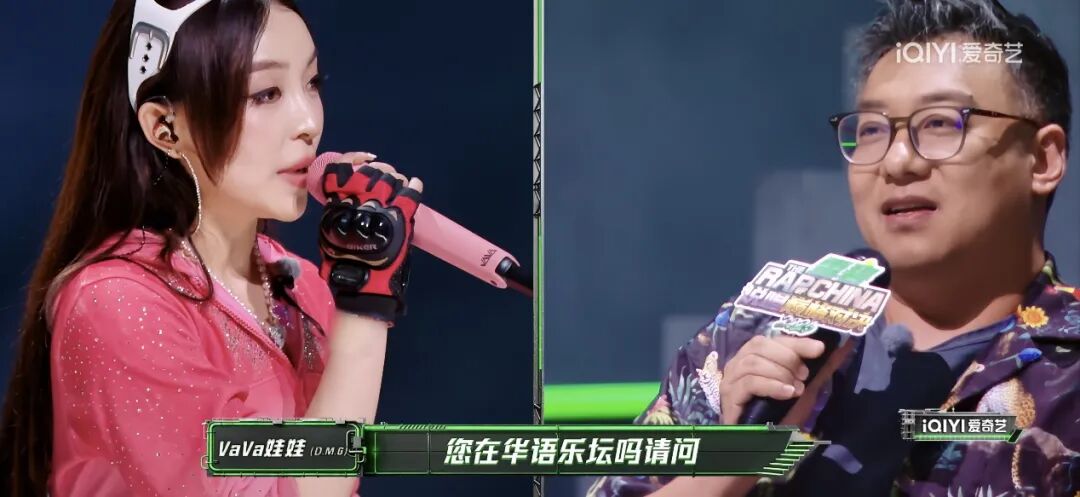
💡Explore how shifting cultural evaluation power impacts content recommendation and audience engagement.
⚡ 30-Second TL;DR
What Changed
Traditional media authority in music criticism has declined.
Why It Matters
This highlights the decentralization of cultural authority, relevant for AI-driven content recommendation systems.
What To Do Next
Study how sentiment analysis models can capture shifting audience preferences in decentralized content ecosystems.
Key Points
- •Traditional media authority in music criticism has declined.
- •Social media and user-generated content now dominate the narrative.
- •The shift reflects broader changes in how cultural content is consumed and judged.
🧠 Deep Insight
AI-generated analysis for this event — not the original article.
🔑 Enhanced Key Takeaways
- •The rise of 'fan economy' metrics, such as social media engagement and digital chart performance, has largely superseded traditional musicological critique in determining the commercial success of variety show participants.
- •Algorithmic recommendation engines on platforms like Douyin and Bilibili have created 'filter bubbles' where music criticism is increasingly polarized based on pre-existing fan loyalties rather than objective artistic merit.
- •The professionalization of 'water armies' (paid astroturfing groups) has fundamentally compromised the integrity of online audience sentiment analysis, forcing platforms to develop more sophisticated anti-fraud detection mechanisms.
- •Regulatory shifts in China, specifically the 'Qinglang' campaign, have forced music variety shows to pivot from idol-centric competition formats to content that emphasizes traditional culture and social responsibility, altering the criteria for critical evaluation.
- •The emergence of AI-generated music and virtual idols in variety shows has introduced a new dimension of criticism focused on technological authenticity and the ethics of human-machine collaboration.
🔮 Future ImplicationsAI analysis grounded in cited sources
⏳ Timeline
Weekly AI Recap
Read this week's curated digest of top AI events →
👉Related Updates



AI-curated news aggregator. All content rights belong to original publishers.
Original source: 钛媒体 ↗
This is a summary, not the original. Read the source, or get the weekly briefing.
The weekly digest
One email a week. Unsubscribe anytime.