The evolution of children's animation and audience definition
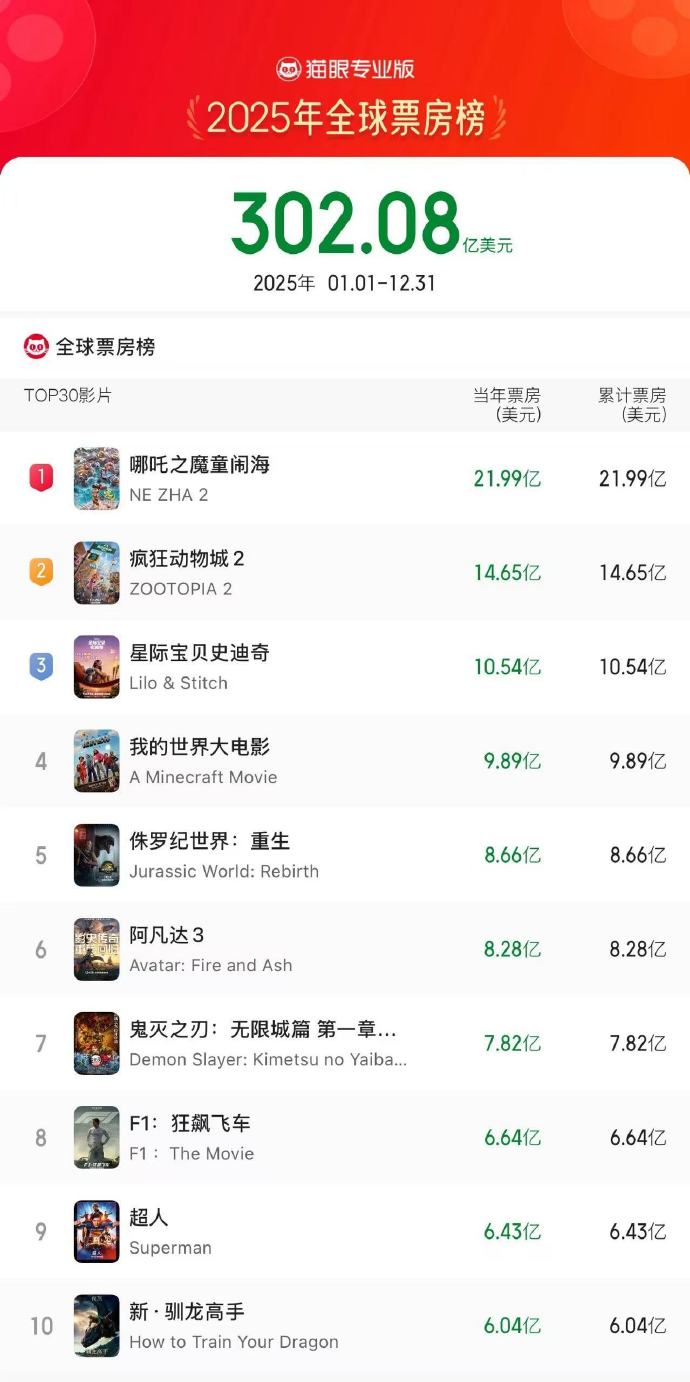
💡Learn how modern animation blurs age boundaries, a key insight for training AI safety and content moderation models.
⚡ 30-Second TL;DR
What Changed
Traditional 'children's animation' is evolving into 'all-age' content.
Why It Matters
Understanding these shifts helps creators and AI developers building generative video tools to better categorize and target content for specific age-appropriate AI safety filters.
What To Do Next
Analyze your training dataset's demographic labels to ensure content filtering aligns with modern psychological development stages rather than outdated genre tags.
Key Points
- •Traditional 'children's animation' is evolving into 'all-age' content.
- •Strategies include using age-ambiguous characters like animals or robots.
- •Modern animation design is increasingly influenced by child psychology and adult-oriented narrative structures.
🧠 Deep Insight
Background and context from public sources — not the original article. 23 sources cited.
🔑 Enhanced Key Takeaways
- •The rise of streaming services has been a primary catalyst, enabling a broader range of animated content beyond traditional children's programming, including adult animation, documentaries, and experimental projects, and fostering international co-productions.
- •Modern animation leverages specific psychological principles, such as Gestalt principles for visual composition, color psychology for emotional tone, and dual coding theory for enhanced comprehension, to create deeper engagement and relatability across diverse audiences.
- •The animation market is experiencing robust economic growth, driven by increasing demand across streaming platforms, gaming, advertising, and educational technology, leading to significant investments in original content and technological advancements like AI-powered tools.
- •Many long-running animated series employ "floating timelines" (or sliding timescales) where characters do not age significantly, allowing stories to remain contemporary and relevant to new generations without requiring character maturation.
- •Historically, animation was not exclusively for children; early animated films often targeted adult audiences with vaudevillian antics and mature themes before censorship codes and the proliferation of television shifted the focus primarily to children's programming.
🛠️ Technical Deep Dive
- Animation Techniques: Includes 2D Vector Animation, Hand-Drawn Animation, 3D Animation, Motion Graphics, Rotoscope Animation, Stop Motion Animation, and Augmented Reality Animation.
- Digital Production Tools: Digital technology has streamlined processes like rotoscoping, allowing animators to trace movements from digital video for 2D animations that simulate 3D space.
- Advanced Technologies: AI-powered tools are increasingly used for tasks such as streamlining lip-syncing, automating facial expressions, and generating lifelike environmental effects.
- Real-time Production: Real-time rendering, virtual production, and automation-based rigging tools are enhancing efficiency and meeting demand for high-quality animation on compressed timelines.
- CGI and Motion Capture: Computer-generated imagery (CGI) and motion capture are crucial for creating realistic and detailed worlds and characters.
- Historical Techniques: Early innovations included xerography animation (pioneered by Disney in the late 1950s/early 1960s to speed up production) and 'limited animation' (popularized by Hanna-Barbera in the 1950s for television to reduce costs and increase volume).
🔮 Future ImplicationsAI analysis grounded in cited sources
⏳ Timeline
📎 Sources (23)
Factual claims are grounded in the sources below. Forward-looking analysis is AI-generated interpretation.
- rmcad.edu
- binus.ac.id
- educationalvoice.co.uk
- studioimageworks.com
- animotionsstudio.com
- educationalvoice.co.uk
- contentcreatures.com
- hound-studio.com
- prolificstudio.co
- market.us
- metastatinsight.com
- marketreportsworld.com
- databridgemarketresearch.com
- precedenceresearch.com
- wikipedia.org
- reddit.com
- diversetechgeek.com
- youtube.com
- medium.com
- explainvisually.co
- squideo.com
- fudgeanimation.com
- mimiccartoon.com
Weekly AI Recap
Read this week's curated digest of top AI events →
👉Related Updates



AI-curated news aggregator. All content rights belong to original publishers.
Original source: 虎嗅 ↗
This is a summary, not the original. Read the source, or get the weekly briefing.
The weekly digest
One email a week. Unsubscribe anytime.