The Evolution of Three Kingdoms IP in Digital Media
💡Understand how digital systems and game mechanics are fundamentally altering the consumption of historical IP.
⚡ 30-Second TL;DR
What Changed
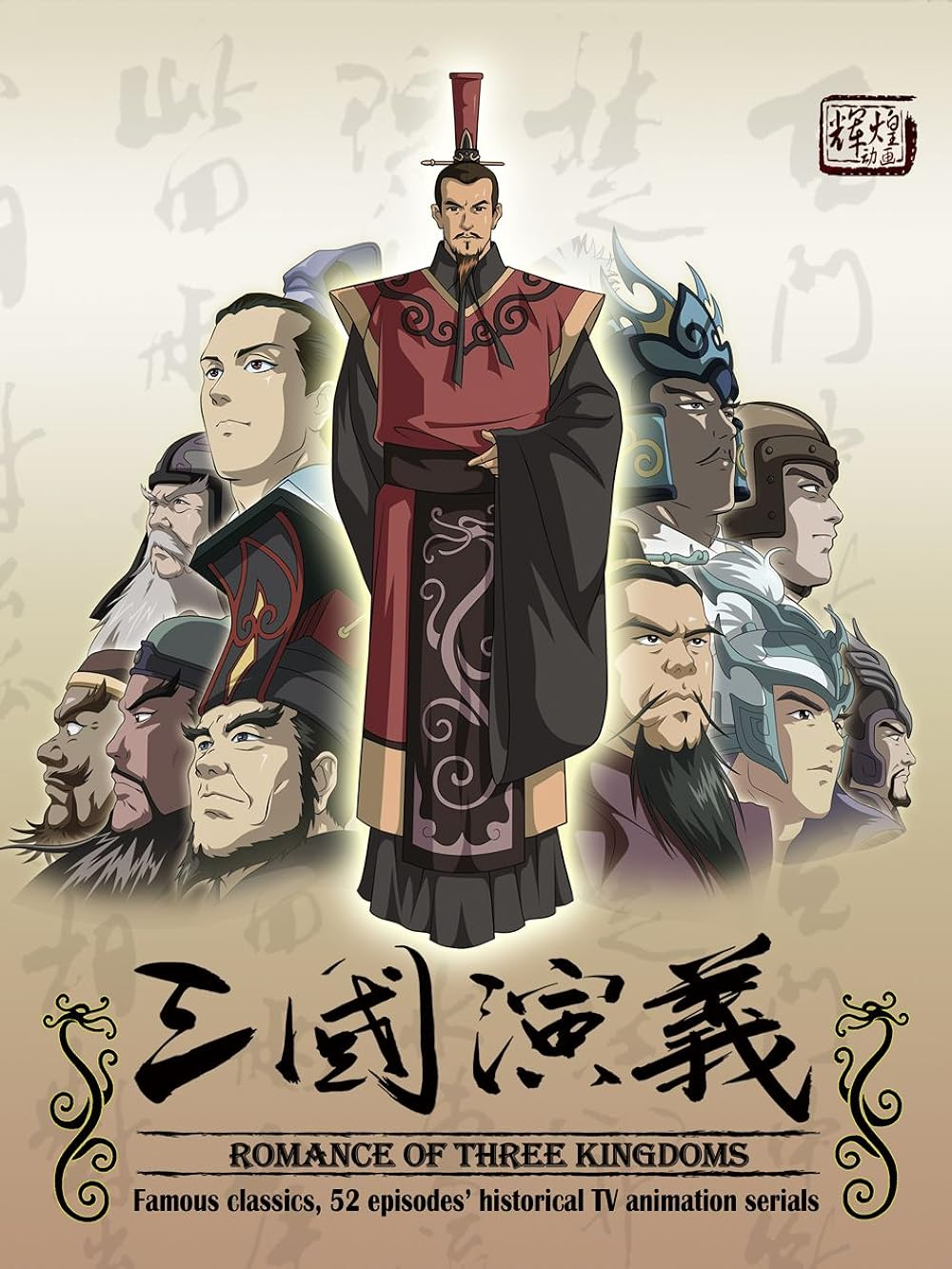
94版《三国演义》建立了大众心目中严肃、正统的叙事标准。
Why It Matters
The shift from narrative-based to system-based consumption of IP suggests that AI-driven content generation must account for 'systemic' logic rather than just thematic consistency.
What To Do Next
Analyze how your AI agents handle 'systemic' lore consistency when generating content based on established fictional universes.
Key Points
- •94版《三国演义》建立了大众心目中严肃、正统的叙事标准。
- •新《三国》通过“办公室政治”视角解构了传统忠义伦理,引发争议。
- •SLG游戏将历史道义转化为可操作的数值机制,影响了新一代玩家的认知。
- •网络次文化(如B站梗)通过“乐子人”视角对历史IP进行二次创作与解构。
🧠 Deep Insight
AI-generated analysis for this event — not the original article.
🔑 Enhanced Key Takeaways
- •The 'Three Kingdoms' IP has become a primary vehicle for Chinese game developers to implement 'cultural export' strategies, with titles like 'Total War: Three Kingdoms' demonstrating the global commercial viability of the setting.
- •AI-driven procedural generation is increasingly used in modern SLG titles to create dynamic, non-linear historical scenarios that diverge from the 'Romance of the Three Kingdoms' literary canon.
- •The shift from 'hero-centric' narratives in early 2000s media to 'system-centric' narratives in mobile games has led to a decline in moral character archetypes in favor of min-maxing statistical efficiency.
- •Cross-platform IP integration has evolved to include 'meta-narratives' where players' collective actions in seasonal game events are treated as 'alternate history' canon by community fanbases.
- •Recent academic studies indicate that younger demographics (Gen Z and Alpha) primarily associate Three Kingdoms characters with specific 'gacha' rarity tiers and skill sets rather than their historical or literary biographies.
🛠️ Technical Deep Dive
- Modern SLG architectures for Three Kingdoms titles utilize distributed server clusters to manage real-time map state synchronization for thousands of concurrent players.
- Implementation of 'Fog of War' and pathfinding algorithms in these games often relies on A* search variants optimized for hexagonal grid systems to handle complex terrain modifiers.
- Game engines like Unity and Unreal Engine 5 are increasingly employing Data-Oriented Technology Stack (DOTS) to handle the high entity counts required for large-scale simulated warfare.
- Procedural narrative engines are being integrated to generate 'emergent stories' based on player-driven diplomacy and resource management, moving away from static script-based events.
🔮 Future ImplicationsAI analysis grounded in cited sources
⏳ Timeline
Weekly AI Recap
Read this week's curated digest of top AI events →
👉Related Updates



AI-curated news aggregator. All content rights belong to original publishers.
Original source: 虎嗅 ↗
This is a summary, not the original. Read the source, or get the weekly briefing.
The weekly digest
One email a week. Unsubscribe anytime.