The 'Disenchantment' of China's Film Industry
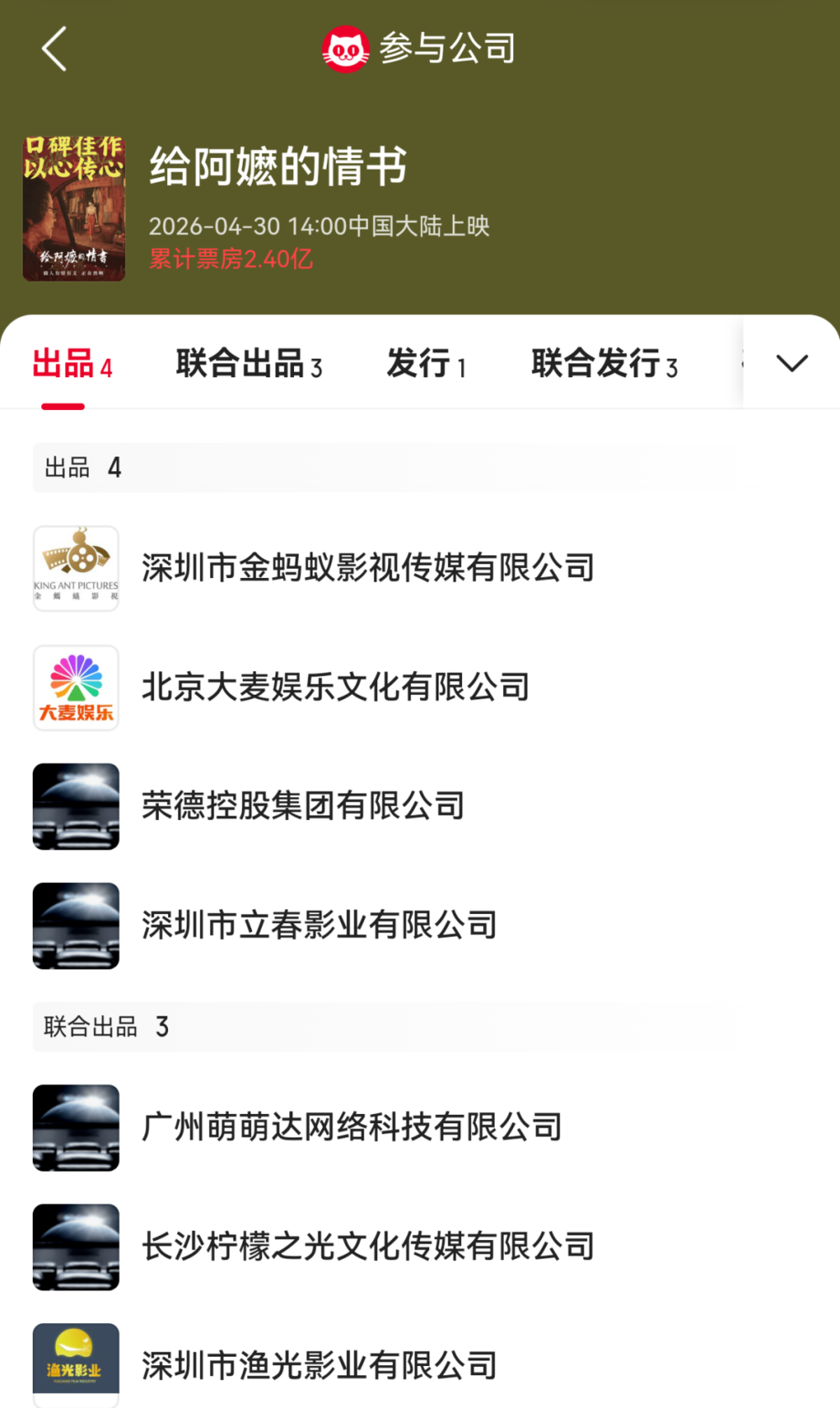
💡Understand the shift from industrial scale to narrative resonance, a critical lesson for AI content creators.
⚡ 30-Second TL;DR
What Changed
Audiences are prioritizing 'believability' over traditional industry authority.
Why It Matters
This trend suggests that AI-generated content must prioritize emotional authenticity and narrative depth to compete with human-centric, grassroots storytelling.
What To Do Next
Focus on building AI agents that can analyze narrative resonance rather than just technical production quality.
Key Points
- •Audiences are prioritizing 'believability' over traditional industry authority.
- •Low-budget, grassroots films are outperforming high-budget industrial productions.
- •Capital is shifting from 'investing in big names' to 'investing in high-resonance stories'.
- •The talent pool is expanding beyond traditional film school graduates.
🧠 Deep Insight
Web-grounded analysis with 19 cited sources.
🔑 Enhanced Key Takeaways
- •The proliferation of Over-The-Top (OTT) streaming platforms like iQIYI, Tencent Video, and Bilibili has fundamentally altered film consumption patterns, particularly among younger demographics, by offering convenience and diverse content, thereby challenging traditional cinema's dominance.
- •Strict government censorship, enforced by bodies such as the China Film Administration, continues to heavily influence film production by restricting content on sensitive social or historical issues, often leading to self-censorship and limiting the global appeal of Chinese cinema.
- •The Chinese film industry is actively developing a "film+" ecosystem, integrating cinematic content with related sectors like tourism, dining, and cultural products, supported by government initiatives to create a multi-layered consumption experience beyond just box office revenue.
- •Audience preferences are increasingly shaped by online platforms like Douban, where user ratings and word-of-mouth generate a "list culture" that prioritizes content quality and emotional resonance, influencing viewing choices more than traditional marketing.
🔮 Future ImplicationsAI analysis grounded in cited sources
⏳ Timeline
📎 Sources (19)
Factual claims are grounded in the sources below. Forward-looking analysis is AI-generated interpretation.
- Google Search Source
- Google Search Source
- Google Search Source
- Google Search Source
- Google Search Source
- Google Search Source
- Google Search Source
- Google Search Source
- Google Search Source
- Google Search Source
- Google Search Source
- Google Search Source
- Google Search Source
- Google Search Source
- Google Search Source
- Google Search Source
- Google Search Source
- Google Search Source
- Google Search Source
Weekly AI Recap
Read this week's curated digest of top AI events →
👉Related Updates

AI-curated news aggregator. All content rights belong to original publishers.
Original source: 虎嗅 ↗