The Decline of Talk Show Variety Shows in China
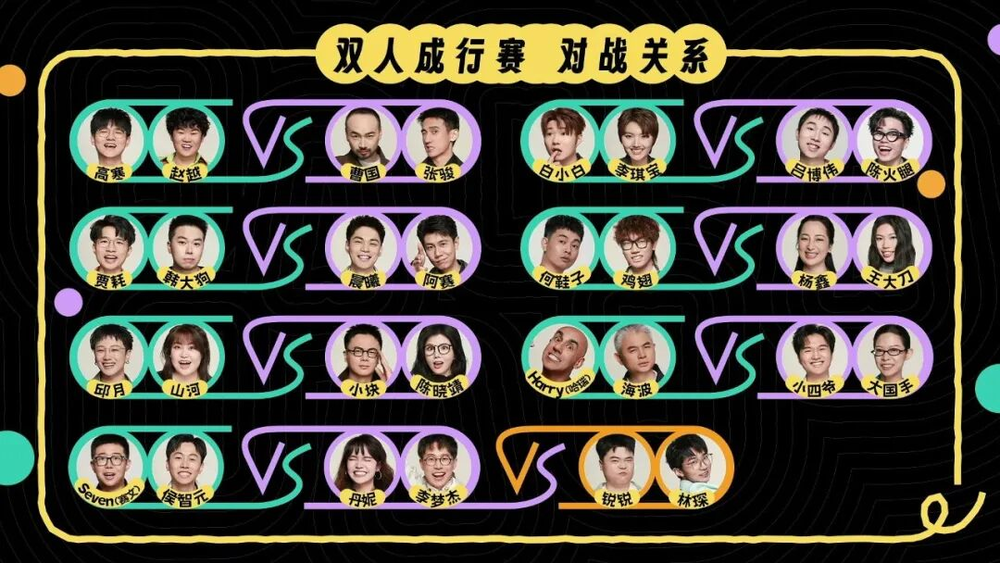
💡Understand why top creators are abandoning mass media and what this means for the future of content-driven platforms.
⚡ 30-Second TL;DR
What Changed
Top talk show performers are leaving the variety show circuit for independent careers or live performances.
Why It Matters
The homogenization of televised comedy suggests that creators should focus on decentralized, community-driven platforms rather than relying on traditional media gatekeepers.
What To Do Next
If you are building content-based AI tools, prioritize features that support community-driven, long-tail content rather than mass-market, sanitized media.
Key Points
- •Top talk show performers are leaving the variety show circuit for independent careers or live performances.
- •Strict content regulation and fear of public backlash have forced shows into a 'safe' but boring format.
- •Offline comedy clubs are thriving, creating a disconnect between the vibrant live scene and the sanitized televised version.
🧠 Deep Insight
AI-generated analysis for this event.
🔑 Enhanced Key Takeaways
- •The decline is significantly linked to the 'rectification' of the variety show industry by the National Radio and Television Administration (NRTA), which mandated stricter vetting of scripts and performer backgrounds.
- •Major production companies like Fun Factory (笑果文化) faced severe financial and operational setbacks following controversies involving specific performers, leading to a pivot away from high-risk, high-reward variety formats.
- •The rise of short-video platforms like Douyin and Kuaishou has fragmented the audience, making it difficult for traditional long-form variety shows to maintain the viral 'water cooler' effect they once enjoyed.
- •Economic pressures have led platforms like Tencent Video and iQIYI to reduce investment in experimental comedy formats, favoring proven, low-risk intellectual property or celebrity-driven reality shows.
- •There is a growing trend of 'de-platforming' comedy, where performers are increasingly relying on private domain traffic (WeChat groups, independent ticketing platforms) to bypass mainstream censorship and monetization hurdles.
🔮 Future ImplicationsAI analysis grounded in cited sources
⏳ Timeline
Weekly AI Recap
Read this week's curated digest of top AI events →
👉Related Updates



AI-curated news aggregator. All content rights belong to original publishers.
Original source: 虎嗅 ↗