The Deception of Low-GI Food Marketing
💡A cautionary tale on why optimizing for a single metric (like GI) can lead to catastrophic system failures.
⚡ 30-Second TL;DR
What Changed
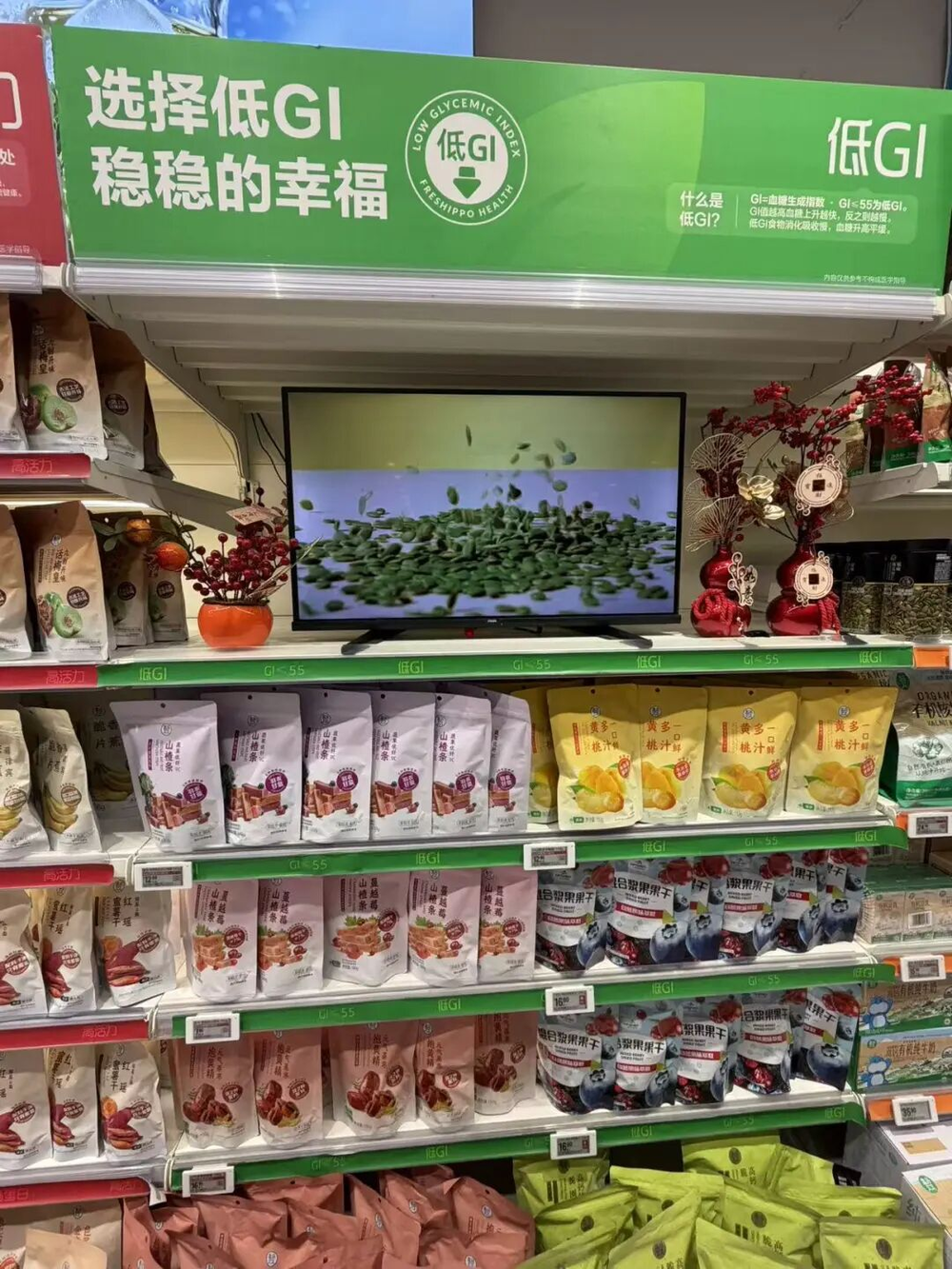
Low-GI labels are often used as a marketing tool for unhealthy, highly processed foods.
Why It Matters
Highlights the danger of 'metric-driven' optimization in food science, a cautionary tale for AI practitioners optimizing for single metrics.
What To Do Next
When building AI evaluation metrics, avoid 'Goodhart's Law' by ensuring your primary metric isn't easily gamed at the expense of system quality.
Key Points
- •Low-GI labels are often used as a marketing tool for unhealthy, highly processed foods.
- •Companies use high fructose content to artificially lower GI values while ignoring overall nutritional health.
- •The industry suffers from inconsistent testing standards and lack of regulatory oversight.
- •Low-GI is a tool for carbohydrate quality, not a substitute for balanced nutrition.
🧠 Deep Insight
AI-generated analysis for this event — not the original article.
🔑 Enhanced Key Takeaways
- •The Glycemic Index (GI) only measures the postprandial blood glucose response to carbohydrates, failing to account for the insulinemic response or the presence of other macronutrients like saturated fats.
- •International standards such as ISO 26642:2010 provide the methodology for GI testing, yet many commercial food manufacturers utilize 'in-house' or non-accredited labs to obtain favorable GI ratings.
- •The 'Low-GI' label often creates a 'health halo' effect, leading consumers to underestimate the caloric density of processed foods and consume larger portions, which can negate any metabolic benefits.
- •Regulatory bodies like the FDA and EFSA have historically been cautious about endorsing GI labeling due to the high variability in individual glycemic responses based on gut microbiome composition and insulin sensitivity.
- •Recent research indicates that food matrix effects—such as particle size, processing methods (e.g., extrusion), and food structure—significantly alter GI values, making static label claims unreliable for complex, multi-ingredient products.
🛠️ Technical Deep Dive
- GI testing methodology involves measuring the incremental area under the blood glucose response curve (iAUC) over a 2-hour period following the consumption of a test food containing 50g of available carbohydrates.
- The reference food used for comparison is typically pure glucose or white bread, assigned a value of 100, which introduces significant variability depending on the control standard chosen.
- The formula for GI is (iAUC of test food / iAUC of reference food) x 100.
- Factors influencing GI include the ratio of amylose to amylopectin in starches, the degree of starch gelatinization, and the presence of anti-nutrients like phytates or tannins that slow enzymatic digestion.
🔮 Future ImplicationsAI analysis grounded in cited sources
⏳ Timeline
Weekly AI Recap
Read this week's curated digest of top AI events →
👉Related Updates



AI-curated news aggregator. All content rights belong to original publishers.
Original source: 虎嗅 ↗
This is a summary, not the original. Read the source, or get the weekly briefing.
The weekly digest
One email a week. Unsubscribe anytime.