The Brutal Reality of Chain Restaurants in County Towns
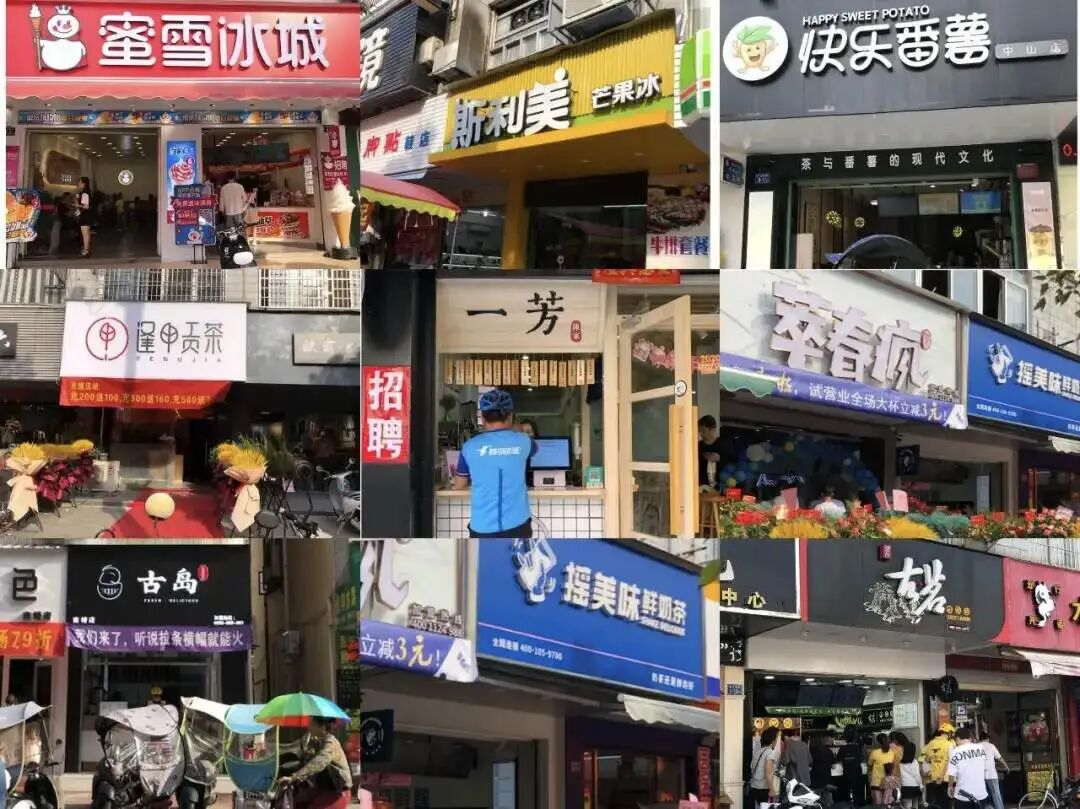
Insight into the changing landscape of China's lower-tier markets, critical for retail-tech and consumer AI strategies.
30-Second TL;DR
What Changed
Major chains like KFC and Luckin Coffee are aggressively capturing prime locations in county-level shopping malls.
Why It Matters
The homogenization of county-level retail and catering markets suggests a shift in consumer behavior toward brand-driven, standardized experiences.
What To Do Next
If building AI tools for retail, focus on inventory management and demand forecasting solutions tailored for high-competition, low-margin environments.
Key Points
- •Major chains like KFC and Luckin Coffee are aggressively capturing prime locations in county-level shopping malls.
- •The 'payback period' for new catering outlets in county towns has extended to three years due to intense competition.
- •Local small businesses lacking unique value propositions are being rapidly replaced by standardized chain models.
- •Commercial complexes in county towns are acting as traffic gatekeepers, favoring established national brands.
Deep Insight
Background and context from public sources — not the original article. 19 sources cited.
Enhanced Key Takeaways
- •Lower-tier cities in China are emerging as significant drivers of consumer spending, with household consumption and disposable income growing faster than in major Tier-1 cities, fueled by a burgeoning middle class.
- •Despite aggressive expansion by major brands, the market penetration rate of chain restaurants in China's lower-tier cities was generally below 15% in 2023, indicating substantial untapped growth potential compared to higher-tier markets.
- •Major chains like KFC are implementing targeted strategies for lower-tier markets, including planning 60% of new Yum China stores (KFC, Pizza Hut, K-Coffee) for these regions and expanding standalone KCOFFEE outlets with competitive pricing, often leveraging existing KFC infrastructure.
- •The Chinese government is actively supporting the modernization and upgrading of county-level commercial systems through a three-year action plan (by 2025), which includes establishing logistics distribution centers and improving commercial outlets to boost rural consumption.
- •Some domestic catering brands are successfully navigating lower-tier markets by adopting highly localized strategies, focusing on low-cost, high-repurchase models, and deeply integrating with community consumption needs, such as positioning themselves as 'family backup kitchens'.
Future ImplicationsAI analysis grounded in cited sources
Timeline
- 1987KFC opens its first restaurant in Beijing, introducing Western fast food to mainland China.
- Early 2000sDomestic fast-food chains begin to emerge, offering Chinese-style fast food and competing with international brands.
- 2015KFC China launches its in-store KCOFFEE brand, diversifying its beverage offerings.
- 2021China's 14th Five-Year Plan (2021-2025) begins, emphasizing domestic market growth and rural consumption.
- 2023Yum China (KFC's parent) reaches 10,000 restaurants in China, with a significant focus on lower-tier expansion, and KCOFFEE sales exceed 190 million cups.
- 2023-08Chinese government publicizes a three-year action plan to strengthen the county-level commerce system.
Sources (19)
Factual claims are grounded in the sources below. Forward-looking analysis is AI-generated interpretation.
Weekly AI Recap
Read this week's curated digest of top AI events →
AI-curated news aggregator. All content rights belong to original publishers.
Original source: 虎嗅 ↗
This is a summary, not the original. Read the source, or get the weekly briefing.
The weekly digest
One email a week. Unsubscribe anytime.