The 100-billion aged liquor market lacks trust
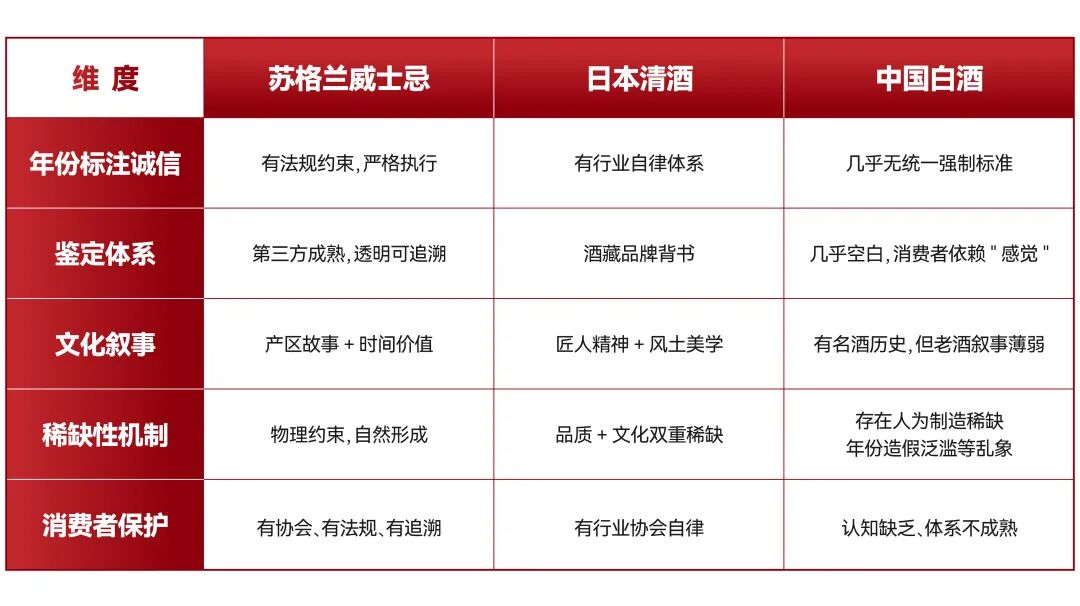
💡Case study on how AI/blockchain can solve trust issues in high-value asset markets.
⚡ 30-Second TL;DR
What Changed
The market is estimated at 120-150 billion RMB, driven by investment and collection.
Why It Matters
Demonstrates the necessity of blockchain or AI-based traceability in high-value asset markets.
What To Do Next
Develop an AI-based visual authentication tool for verifying liquor bottle labels and aging marks.
Key Points
- •The market is estimated at 120-150 billion RMB, driven by investment and collection.
- •Lack of unified standards for 'aged' labeling creates significant consumer distrust.
- •International models like Scotch whisky provide a blueprint for standardized verification.
🧠 Deep Insight
AI-generated analysis for this event — not the original article.
🔑 Enhanced Key Takeaways
- •The China Alcoholic Drinks Association (CADA) has been actively promoting the 'Old Liquor' (Laojiu) certification system to establish traceability standards for vintage baijiu.
- •Counterfeit aged liquor often involves 'flavor-added' spirits, where younger, cheaper alcohol is chemically treated or blended to mimic the organoleptic properties of long-aged products.
- •Blockchain technology is increasingly being piloted by major distilleries like Moutai and Wuliangye to create immutable digital passports for high-value vintage bottles.
- •The 'Old Liquor' market is heavily influenced by the 'collection value' index, which often decouples from actual consumption demand, leading to speculative price bubbles.
- •Regulatory bodies have begun cracking down on 'vintage' labeling that lacks verifiable production dates, aiming to curb deceptive marketing practices in e-commerce channels.
🛠️ Technical Deep Dive
- Gas Chromatography-Mass Spectrometry (GC-MS) is the primary analytical method used to identify chemical markers (such as specific esters and alcohols) that indicate the age of baijiu.
- Isotope ratio mass spectrometry is employed to verify the authenticity of raw materials and fermentation processes, distinguishing naturally aged spirits from artificially aged ones.
- Near-infrared (NIR) spectroscopy is being researched as a non-destructive, rapid testing method for on-site verification of liquor age and quality.
- Digital anti-counterfeiting solutions utilize NFC-enabled bottle caps and encrypted QR codes linked to centralized, manufacturer-controlled databases to ensure supply chain transparency.
🔮 Future ImplicationsAI analysis grounded in cited sources
⏳ Timeline
Weekly AI Recap
Read this week's curated digest of top AI events →
👉Related Updates


AI-curated news aggregator. All content rights belong to original publishers.
Original source: 虎嗅 ↗
This is a summary, not the original. Read the source, or get the weekly briefing.
The weekly digest
One email a week. Unsubscribe anytime.