Tesla settles lawsuit over fatal Full Self-Driving crash
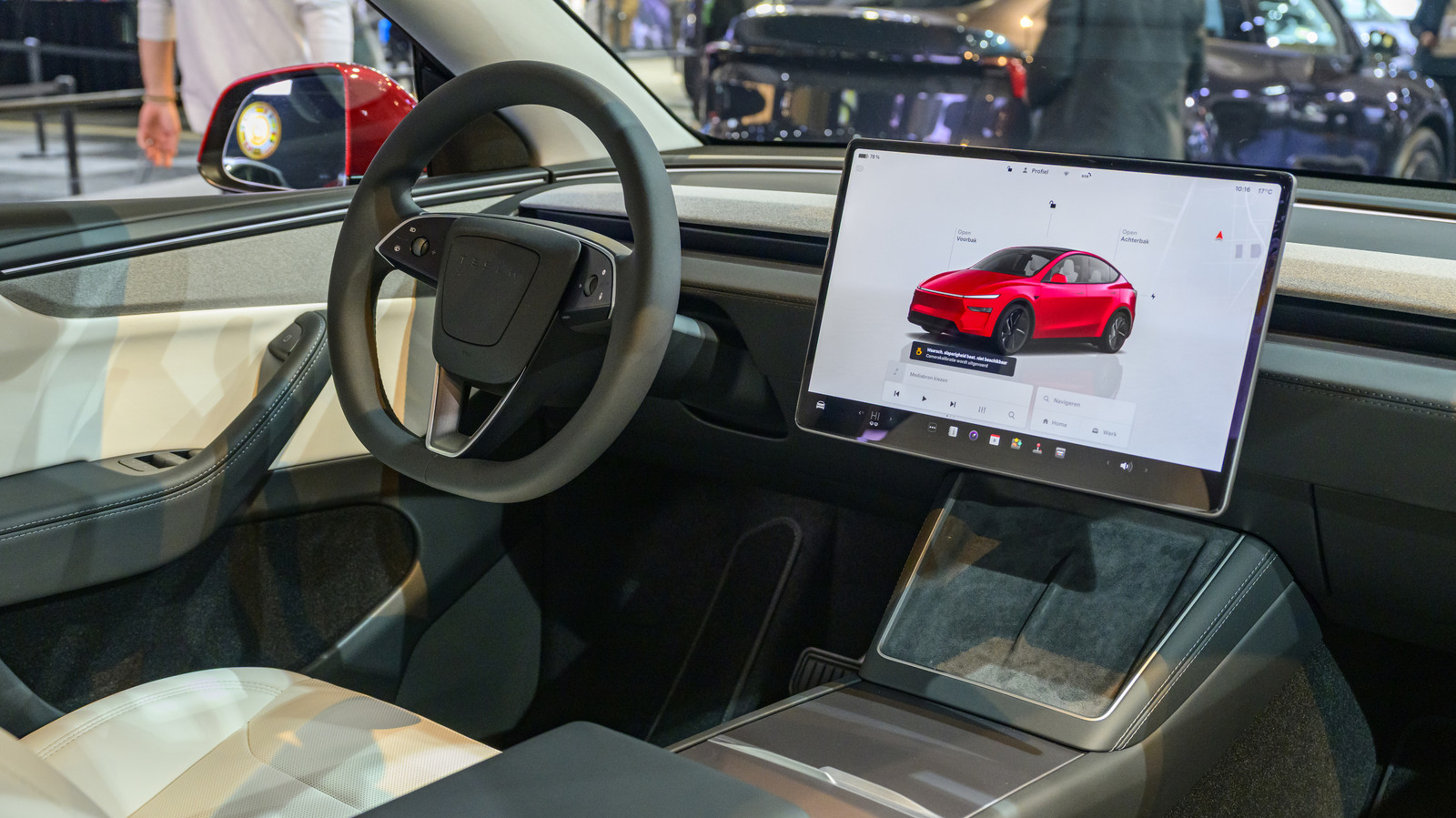
Understand the legal and safety implications of autonomous driving failures for AI product liability.
30-Second TL;DR
What Changed
Tesla settled a lawsuit stemming from a 2023 fatal pedestrian accident in Arizona.
Why It Matters
This settlement highlights the ongoing legal risks for companies deploying autonomous driving systems. It underscores the critical need for robust safety validation and clear liability frameworks in AI-driven robotics.
What To Do Next
Review your AI system's safety documentation and edge-case testing protocols to ensure compliance with emerging autonomous vehicle liability standards.
Key Points
- •Tesla settled a lawsuit stemming from a 2023 fatal pedestrian accident in Arizona.
- •The incident involved the company's Full Self-Driving (FSD) software.
- •Legal outcomes like this impact the regulatory and liability landscape for autonomous vehicle developers.
Deep Insight
AI-generated analysis for this event — not the original article.
Enhanced Key Takeaways
- •The settlement agreement includes a non-disclosure clause preventing the plaintiff's family from discussing specific technical failures of the FSD software involved in the crash.
- •Court documents reveal that Tesla's defense strategy centered on the 'driver supervision' requirement, arguing that the human operator failed to intervene despite system alerts.
- •This case is the first instance where Tesla opted for a pre-trial settlement specifically involving a pedestrian fatality, deviating from their previous strategy of fighting such cases in court to avoid setting legal precedents.
- •The National Highway Traffic Safety Administration (NHTSA) has opened a separate investigation into the specific software version (FSD v11.x) used during the 2023 incident to determine if a broader recall is necessary.
- •Financial terms of the settlement remain sealed, but industry analysts estimate the payout to be in the range of $5 million to $10 million based on similar wrongful death settlements in the autonomous vehicle sector.
Competitor Analysis
- Tesla (FSD)
- Vision-only, consumer-owned
- Waymo (Driver)
- LiDAR + Radar + Vision, Robotaxi
- Cruise (AV)
- LiDAR + Radar + Vision, Robotaxi
- Tesla (FSD)
- Driver-responsible (Level 2)
- Waymo (Driver)
- Operator-responsible (Level 4)
- Cruise (AV)
- Operator-responsible (Level 4)
- Tesla (FSD)
- Disengagement-based (varies)
- Waymo (Driver)
- Miles per intervention (high)
- Cruise (AV)
- Miles per intervention (moderate)
| Feature | Tesla (FSD) | Waymo (Driver) | Cruise (AV) |
|---|---|---|---|
| Approach | Vision-only, consumer-owned | LiDAR + Radar + Vision, Robotaxi | LiDAR + Radar + Vision, Robotaxi |
| Liability Model | Driver-responsible (Level 2) | Operator-responsible (Level 4) | Operator-responsible (Level 4) |
| Safety Benchmarks | Disengagement-based (varies) | Miles per intervention (high) | Miles per intervention (moderate) |
Technical Deep Dive
- The incident involved FSD Beta software utilizing a neural network architecture that processes video feeds from eight external cameras.
- The system relies on a 'Occupancy Network' to detect static and dynamic obstacles, which allegedly failed to classify the pedestrian correctly in low-light conditions.
- Data logs retrieved from the vehicle indicated that the 'Autopilot's' forward collision warning system triggered less than 0.5 seconds before impact, providing insufficient time for the human driver to react.
- The vehicle's perception stack at the time of the crash was transitioning from legacy C++ code to a more integrated end-to-end neural network approach for path planning.
Future ImplicationsAI analysis grounded in cited sources
Timeline
- 2023-04Fatal pedestrian accident occurs in Arizona involving Tesla FSD.
- 2023-09Plaintiff files wrongful death lawsuit against Tesla in Maricopa County Superior Court.
- 2024-11NHTSA initiates formal probe into FSD performance following discovery of crash data.
- 2026-05Tesla and plaintiff reach a confidential settlement agreement prior to trial.
Weekly AI Recap
Read this week's curated digest of top AI events →
Related Updates
AI-curated news aggregator. All content rights belong to original publishers.
Original source: Engadget ↗
This is a summary, not the original. Read the source, or get the weekly briefing.
The weekly digest
One email a week. Unsubscribe anytime.