Tesla Refutes Autopilot Involvement in Fatal Texas Crash
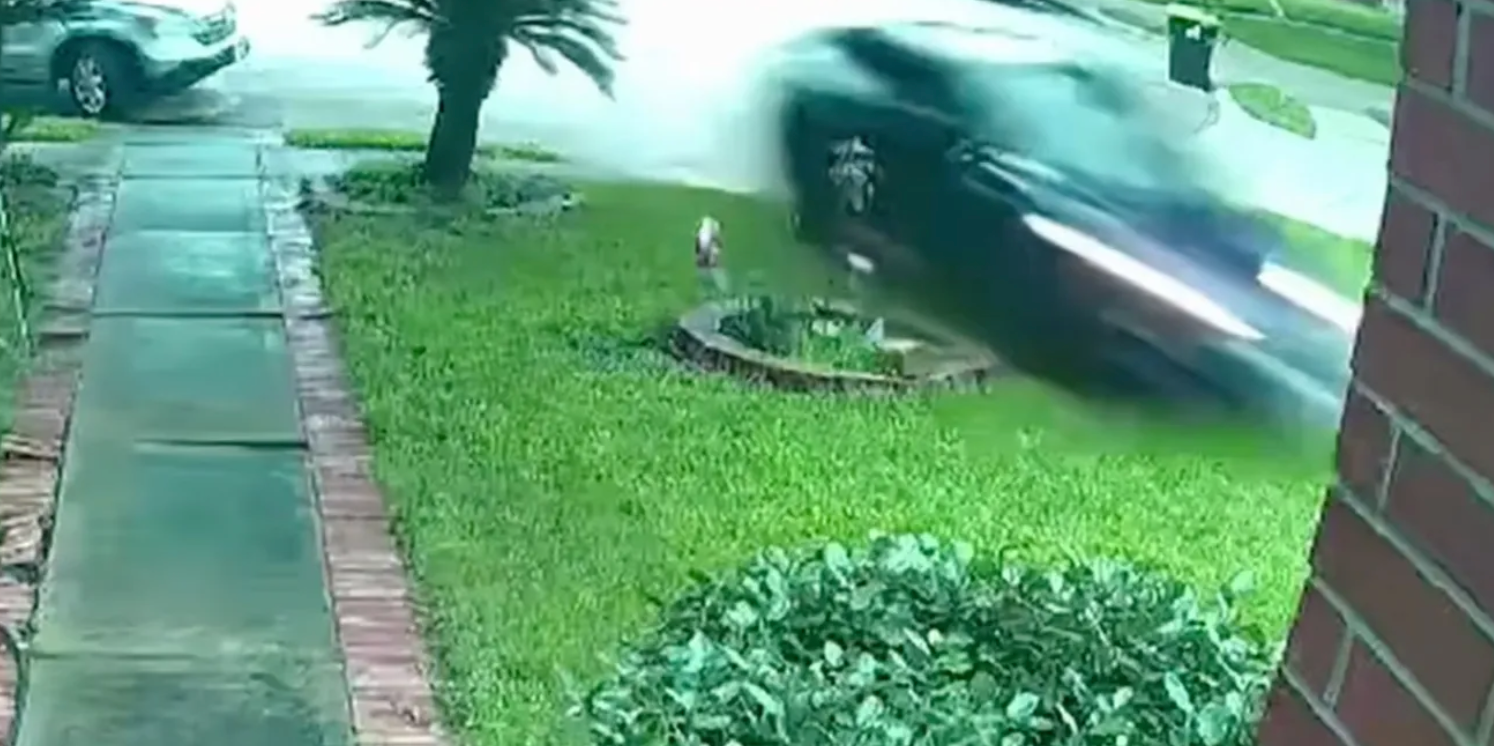
Understand how Tesla defends AI safety claims against public scrutiny using vehicle telemetry data.
30-Second TL;DR
What Changed
Tesla disputes claims that Autopilot caused a fatal crash in Katy, Texas.
Why It Matters
This incident highlights the ongoing tension between AI-driven autonomous systems and public safety perception. It underscores the critical importance of data transparency and forensic logging in AI-based vehicle systems.
What To Do Next
Review your AI system's audit logging and telemetry architecture to ensure you can provide verifiable proof of system state during edge-case failures.
Key Points
- •Tesla disputes claims that Autopilot caused a fatal crash in Katy, Texas.
- •Elon Musk publicly stated the allegations are logically inconsistent.
- •The incident has reignited public and regulatory concerns regarding autonomous driving safety.
Deep Insight
AI-generated analysis for this event — not the original article.
Enhanced Key Takeaways
- •The Katy, Texas incident involved a Tesla vehicle veering off the road and striking a residential structure, prompting an immediate investigation by local law enforcement and the National Highway Traffic Safety Administration (NHTSA).
- •Tesla's defense relies on internal 'telemetry data' retrieved from the vehicle's Event Data Recorder (EDR), which the company claims shows Autopilot was not engaged at the time of impact.
- •This incident follows a series of ongoing NHTSA probes into Tesla's driver-assistance systems, specifically focusing on how the software detects and responds to stationary objects or emergency vehicles.
- •Legal experts note that Tesla's public refutation of crash involvement is a recurring strategy, often used to manage stock volatility and maintain consumer confidence in Full Self-Driving (FSD) and Autopilot capabilities.
- •The Katy Police Department has faced challenges in verifying Tesla's data claims independently, highlighting a broader industry debate regarding 'black box' data transparency in autonomous vehicle accidents.
Competitor Analysis
- Tesla Autopilot/FSD
- Level 2 ADAS (Supervised)
- Waymo Driver
- Level 4 Autonomous
- Cruise (GM)
- Level 4 Autonomous
- Tesla Autopilot/FSD
- Camera-only (Tesla Vision)
- Waymo Driver
- LiDAR, Radar, Cameras
- Cruise (GM)
- LiDAR, Radar, Cameras
- Tesla Autopilot/FSD
- Any road (with supervision)
- Waymo Driver
- Geofenced urban areas
- Cruise (GM)
- Geofenced urban areas
- Tesla Autopilot/FSD
- Proprietary/Closed
- Waymo Driver
- Regulated/Reporting
- Cruise (GM)
- Regulated/Reporting
| Feature | Tesla Autopilot/FSD | Waymo Driver | Cruise (GM) |
|---|---|---|---|
| System Type | Level 2 ADAS (Supervised) | Level 4 Autonomous | Level 4 Autonomous |
| Sensor Suite | Camera-only (Tesla Vision) | LiDAR, Radar, Cameras | LiDAR, Radar, Cameras |
| Operational Domain | Any road (with supervision) | Geofenced urban areas | Geofenced urban areas |
| Data Transparency | Proprietary/Closed | Regulated/Reporting | Regulated/Reporting |
Technical Deep Dive
- Tesla vehicles utilize an Event Data Recorder (EDR) that captures vehicle speed, steering angle, throttle position, and brake status in the seconds leading up to a collision.
- The Autopilot system logs 'disengagement events' when the driver takes control or when the system detects an anomaly, which Tesla uses to verify system status during accidents.
- Tesla Vision architecture relies on deep neural networks processing video feeds from eight external cameras to identify obstacles, lane markings, and traffic signals.
- The system architecture includes a 'shadow mode' where the software runs in the background to compare its predicted actions against human driver behavior, though this does not actively control the vehicle.
Future ImplicationsAI analysis grounded in cited sources
Timeline
- 2016-05First fatal crash involving Tesla Autopilot reported in Florida.
- 2021-08NHTSA opens a formal investigation into Tesla's Autopilot system regarding emergency vehicle collisions.
- 2023-02Tesla recalls over 360,000 vehicles to address FSD Beta software safety concerns.
- 2024-12NHTSA concludes a multi-year probe into Autopilot, resulting in further software updates for driver monitoring.
Weekly AI Recap
Read this week's curated digest of top AI events →
Related Updates
AI-curated news aggregator. All content rights belong to original publishers.
Original source: cnBeta (Full RSS) ↗
This is a summary, not the original. Read the source, or get the weekly briefing.
The weekly digest
One email a week. Unsubscribe anytime.