Tesla Model 3 battery exceeds longevity expectations
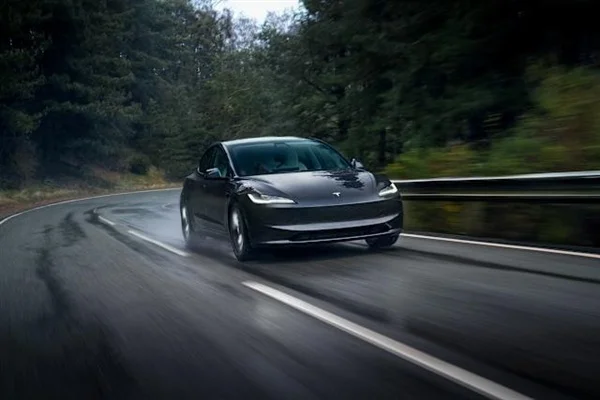
💡Real-world battery data at 247k miles is vital for training predictive maintenance AI models.
⚡ 30-Second TL;DR
What Changed
Vehicle achieved 247,000 miles with original battery
Why It Matters
High-mileage performance data is critical for training predictive maintenance models for autonomous fleets.
What To Do Next
Analyze long-term telemetry data to refine your predictive maintenance algorithms for edge-deployed hardware.
Key Points
- •Vehicle achieved 247,000 miles with original battery
- •Maintained capability for long-distance travel without performance loss
- •Demonstrates real-world durability of modern EV battery management systems
🧠 Deep Insight
AI-generated analysis for this event — not the original article.
🔑 Enhanced Key Takeaways
- •Data from high-mileage Tesla vehicles consistently shows that battery capacity degradation typically plateaus after the first 50,000 to 100,000 miles, often retaining 85-90% of original capacity.
- •The Model 3's battery management system (BMS) utilizes advanced thermal regulation and cell balancing algorithms that actively mitigate the impact of DC fast charging cycles on long-term degradation.
- •Tesla's transition to Lithium Iron Phosphate (LFP) battery chemistry in standard range models has further extended cycle life compared to traditional Nickel Cobalt Aluminum (NCA) chemistries used in earlier long-range variants.
- •Real-world fleet data indicates that driver charging habits, specifically avoiding frequent 100% state-of-charge (SoC) levels and deep discharges, are the primary behavioral factors influencing battery longevity beyond 200,000 miles.
- •Independent studies of high-mileage Tesla fleets suggest that the drivetrain and battery pack often outlast the vehicle's chassis and interior components, challenging traditional automotive depreciation models.
📊 Competitor Analysis▸ Show
| Feature | Tesla Model 3 (NCA/LFP) | Hyundai Ioniq 6 (E-GMP) | Ford Mustang Mach-E |
|---|---|---|---|
| Battery Warranty | 8yr/120k miles | 10yr/100k miles | 8yr/100k miles |
| Architecture | 400V | 800V | 400V |
| Degradation Profile | Proven high-mileage data | Emerging | Moderate |
🛠️ Technical Deep Dive
- Battery Chemistry: Utilizes NCA (Nickel Cobalt Aluminum) for Long Range variants and LFP (Lithium Iron Phosphate) for Standard Range, both optimized for high cycle counts.
- Thermal Management: Liquid-cooled battery pack with a sophisticated heat pump system that maintains optimal cell temperatures during both charging and discharge cycles.
- BMS Architecture: Distributed BMS with per-module monitoring allows for precise cell balancing, preventing individual cell failure from compromising the entire pack.
- Charging Protocol: Dynamic charging curve management reduces current as the battery reaches high SoC, minimizing lithium plating and internal resistance growth.
🔮 Future ImplicationsAI analysis grounded in cited sources
⏳ Timeline
Weekly AI Recap
Read this week's curated digest of top AI events →
👉Related Updates




AI-curated news aggregator. All content rights belong to original publishers.
Original source: cnBeta (Full RSS) ↗
This is a summary, not the original. Read the source, or get the weekly briefing.
Weekly AI briefing
One email a week. Unsubscribe anytime.