Tesla Links Shanghai Factory to Optimus Production
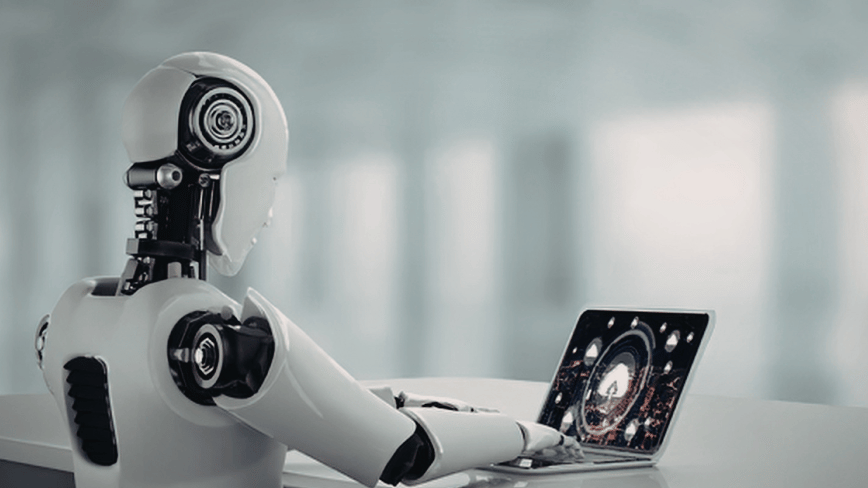
Tesla eyes Shanghai for Optimus mass-prod—key to embodied AI scaling via EV factories
30-Second TL;DR
What Changed
Shanghai Gigafactory as 'golden key' for Optimus mass production
Why It Matters
Signals Tesla's aggressive push into humanoid robotics scaling, leveraging EV manufacturing expertise for broader AI hardware adoption.
What To Do Next
Monitor Tesla's robotics API docs for Optimus integration opportunities in warehouse automation.
Key Points
- •Shanghai Gigafactory as 'golden key' for Optimus mass production
- •First Tesla exec public link to robotics manufacturing
- •Plant delivered 851,000 EVs in 2025
- •Over 1,000 Gen 3 Optimus units deployed internally
Deep Insight
AI-generated analysis for this event — not the original article.
Enhanced Key Takeaways
- •Tesla is leveraging the Shanghai Gigafactory's existing high-volume supply chain ecosystem, specifically local battery and motor component suppliers, to reduce the bill of materials for Optimus production.
- •The Gen 3 Optimus units currently deployed internally are primarily utilized for repetitive tasks in Tesla's own manufacturing lines, serving as a 'dogfooding' strategy to refine the robot's dexterity and reliability before external commercialization.
- •Regulatory filings in China indicate that Tesla has secured additional land-use rights adjacent to the Shanghai facility, specifically designated for 'advanced manufacturing and robotics assembly,' signaling a physical expansion beyond current EV production lines.
Competitor Analysis
- Tesla Optimus (Gen 3)
- Industrial/Manufacturing
- Figure AI (Figure 02)
- General Purpose/Logistics
- Boston Dynamics (Atlas)
- R&D/Complex Mobility
- Tesla Optimus (Gen 3)
- Tesla FSD-derived AI
- Figure AI (Figure 02)
- OpenAI-integrated LLM
- Boston Dynamics (Atlas)
- Hydraulic/Electric Hybrid
- Tesla Optimus (Gen 3)
- Internal Factory Use
- Figure AI (Figure 02)
- Pilot Logistics Programs
- Boston Dynamics (Atlas)
- Research/Industrial Pilot
| Feature | Tesla Optimus (Gen 3) | Figure AI (Figure 02) | Boston Dynamics (Atlas) |
|---|---|---|---|
| Primary Focus | Industrial/Manufacturing | General Purpose/Logistics | R&D/Complex Mobility |
| Architecture | Tesla FSD-derived AI | OpenAI-integrated LLM | Hydraulic/Electric Hybrid |
| Deployment | Internal Factory Use | Pilot Logistics Programs | Research/Industrial Pilot |
Technical Deep Dive
- Actuator Integration: Gen 3 utilizes custom-designed electromechanical actuators with integrated torque sensors, allowing for higher force density compared to Gen 2.
- Vision System: Employs a multi-camera array utilizing the same neural network architecture as Tesla's FSD (Full Self-Driving) stack, enabling real-time spatial awareness and object manipulation.
- Compute: Powered by a custom Tesla-designed SoC (System on Chip) optimized for low-latency inference of transformer-based models.
- Degrees of Freedom: The hand architecture features 11 degrees of freedom, utilizing tactile sensors for fine motor control required in assembly tasks.
Future ImplicationsAI analysis grounded in cited sources
Timeline
- 2022-09Tesla unveils the first Optimus prototype (Bumblebee) at AI Day.
- 2023-12Tesla introduces Optimus Gen 2 with improved hand dexterity and weight reduction.
- 2025-06Tesla begins large-scale internal deployment of Gen 3 units in Shanghai Gigafactory.
- 2026-04Tesla China president Wang Hao publicly identifies Shanghai as the hub for Optimus mass production.
Weekly AI Recap
Read this week's curated digest of top AI events →
Related Updates



AI-curated news aggregator. All content rights belong to original publishers.
Original source: The Next Web (TNW) ↗
This is a summary, not the original. Read the source, or get the weekly briefing.
The weekly digest
One email a week. Unsubscribe anytime.