Tencent’s $52.8B Compute Bet

💡Tencent’s spending reveals why scarce AI compute can become a high-margin strategic asset.
⚡ 30-Second TL;DR
What Changed
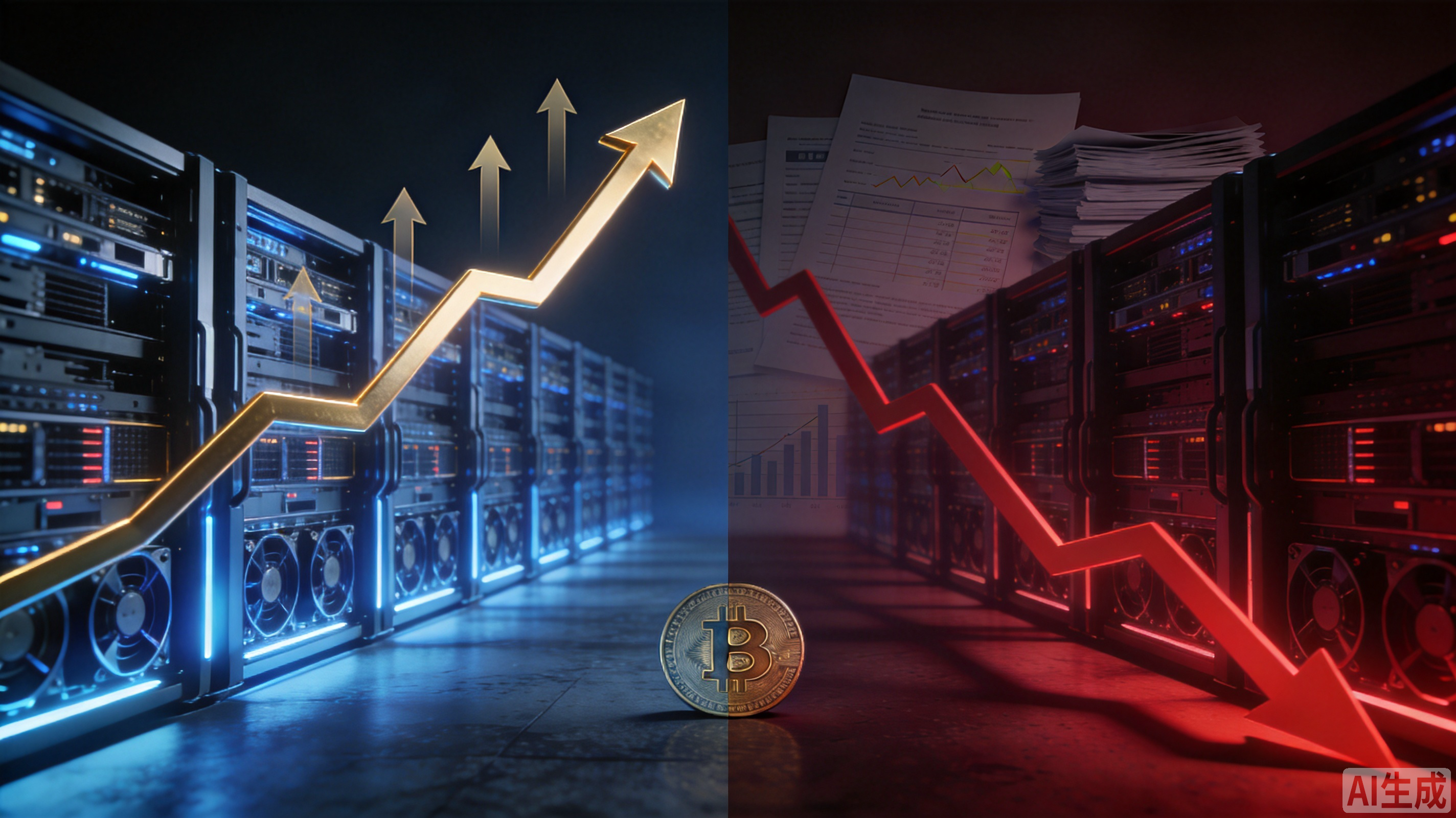
Tencent reported Q2 capital expenditure of 52.8 billion yuan.
Why It Matters
For AI infrastructure operators, the article frames compute capacity as a potentially monetizable strategic resource rather than merely a cost center. Persistent HBM and packaging shortages could keep inference capacity expensive and make supply planning a competitive advantage.
What To Do Next
Audit your next 12-month inference capacity plan and compare direct procurement with cloud or compute-resale options, including HBM-related supply risk.
Key Points
- •Tencent reported Q2 capital expenditure of 52.8 billion yuan.
- •AI compute resale reportedly generates margins above 30%.
- •HBM and advanced packaging are identified as the core supply-chain constraints.
- •Domestic alternatives remain constrained by upstream technology limitations.
🧠 Deep Insight
AI-generated analysis for this event.
🔑 Enhanced Key Takeaways
- •Tencent's capital expenditure surge is primarily driven by the massive procurement of NVIDIA's H20 GPUs, which are specifically configured for the Chinese market to comply with U.S. export controls.
- •The company is aggressively expanding its 'Hunyuan' foundation model ecosystem, integrating proprietary AI capabilities into its WeChat and gaming divisions to drive internal ROI alongside external compute resale.
- •Tencent has shifted its infrastructure strategy toward a 'hybrid-cloud' model, prioritizing the deployment of high-density AI clusters in regions with lower energy costs to offset the high cost of imported silicon.
- •The 30% margin on compute resale is bolstered by Tencent's proprietary 'StarLake' server architecture, which optimizes throughput for large-scale distributed training tasks.
- •Tencent is actively investing in domestic interconnect technologies and optical networking to mitigate the impact of restricted access to high-end Western networking hardware like InfiniBand.
📊 Competitor Analysis▸ Show
| Feature | Tencent (Hunyuan/Cloud) | Alibaba Cloud (Qwen) | Baidu (Ernie/Cloud) |
|---|---|---|---|
| Compute Strategy | Hybrid/Internal Ecosystem | Public Cloud/Open Source | Integrated AI Stack |
| GPU Access | High (H20/Custom) | High (H20/Custom) | High (H20/Custom) |
| Ecosystem Focus | Social/Gaming/Enterprise | E-commerce/Global Cloud | Search/Autonomous Driving |
| Compute Resale | Premium/High Margin | Competitive/Volume | Aggressive/Market Share |
🛠️ Technical Deep Dive
- StarLake Server Architecture: Utilizes custom-designed server racks optimized for high-density GPU deployment and thermal management in AI data centers.
- Hunyuan Model Architecture: Employs a Mixture-of-Experts (MoE) framework to improve inference efficiency and reduce latency for real-time applications.
- Interconnect Optimization: Implements proprietary software-defined networking (SDN) layers to simulate high-bandwidth interconnect performance despite limitations on advanced networking hardware.
- Advanced Packaging Adaptation: Tencent engineers are utilizing specialized cooling solutions and board-level modifications to maximize the lifespan and performance of H20 GPUs.
🔮 Future ImplicationsAI analysis grounded in cited sources
⏳ Timeline
Weekly AI Recap
Read this week's curated digest of top AI events →
👉Related Updates

AI-curated news aggregator. All content rights belong to original publishers.
Original source: 钛媒体 ↗