Tech growth vs. economic demand: A historical perspective
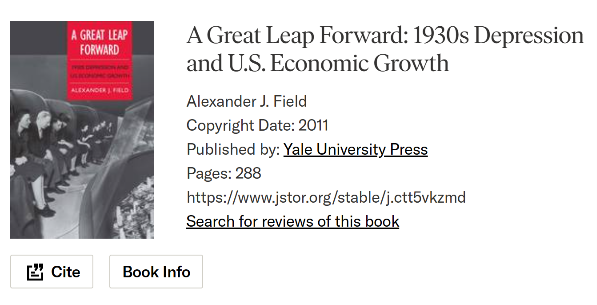
Understand why AI sector growth might not save the broader economy, based on 1930s US and 1990s Japan precedents.
30-Second TL;DR
What Changed
Technological progress and economic depression can coexist simultaneously.
Why It Matters
Provides a cautionary framework for AI founders to understand that industry-specific growth may be decoupled from broader macroeconomic health.
What To Do Next
Diversify your market strategy to account for potential domestic demand fluctuations rather than relying solely on tech-sector growth.
Key Points
- •Technological progress and economic depression can coexist simultaneously.
- •Insufficient fiscal and monetary stimulus often leads to prolonged economic stagnation.
- •Innovation in AI and high-end manufacturing does not automatically guarantee broad economic prosperity.
Deep Insight
AI-generated analysis for this event — not the original article.
Enhanced Key Takeaways
- •The 'Solow Paradox' remains a central economic debate, where the observed surge in AI-driven productivity has yet to manifest in official GDP growth statistics or broad-based wage increases.
- •Historical analysis of the 1990s Japanese 'Lost Decades' highlights that corporate 'zombification'—where low interest rates keep unproductive firms alive—can stifle the creative destruction necessary for AI to boost aggregate demand.
- •Recent studies suggest that the 'K-shaped' recovery in tech-heavy economies is exacerbated by the capital-intensive nature of AI, which favors high-margin software firms over labor-intensive service sectors.
- •The 1930s US experience demonstrates that technological innovation (such as the widespread adoption of radio and automobiles) failed to prevent the Great Depression because of a collapse in the velocity of money and wealth concentration.
- •Current economic models indicate that without policy interventions targeting income distribution, AI-driven automation risks creating a 'technological unemployment' trap where supply-side efficiency gains cannot be absorbed by domestic consumption.
Future ImplicationsAI analysis grounded in cited sources
Timeline
- 1930-01Onset of the Great Depression despite significant industrial technological advancements.
- 1991-01Beginning of Japan's 'Lost Decade' characterized by asset price bubbles and stagnant growth.
- 2023-01Global surge in generative AI investment begins to decouple from broader economic consumption trends.
- 2025-06Major economic reports highlight the widening gap between AI sector profitability and domestic household demand.
Weekly AI Recap
Read this week's curated digest of top AI events →
AI-curated news aggregator. All content rights belong to original publishers.
Original source: 虎嗅 ↗
This is a summary, not the original. Read the source, or get the weekly briefing.
The weekly digest
One email a week. Unsubscribe anytime.