Taiwan's Software Gap and the Semiconductor Dutch Disease
Examine how hardware-centric economic models can stifle software innovation and create unique market entry opportunities
30-Second TL;DR
What Changed
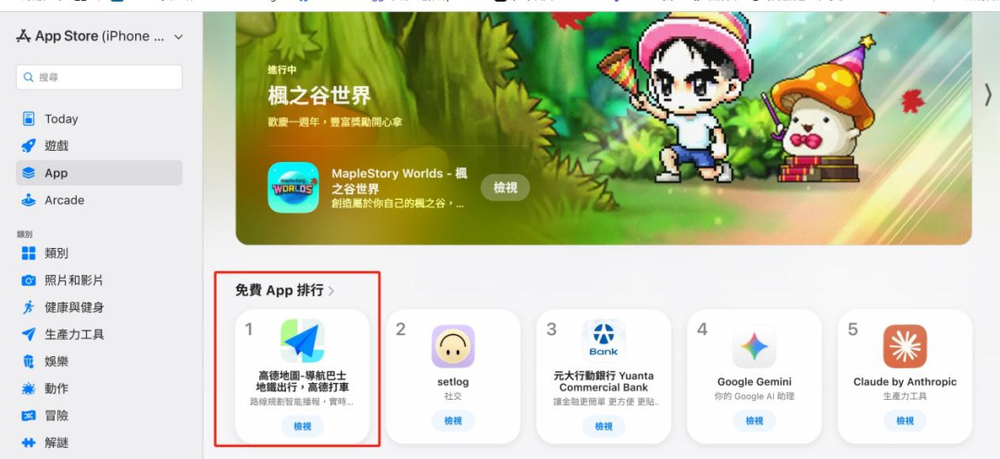
Gaode Maps' traffic light countdown feature exposed the lack of advanced consumer software in Taiwan.
Why It Matters
The lack of a robust software ecosystem in a hardware-heavy region creates opportunities for cross-border software integration but faces significant geopolitical and regulatory hurdles.
What To Do Next
Analyze regional software gaps to identify high-potential markets for deploying advanced AI-driven utility applications.
Key Points
- •Gaode Maps' traffic light countdown feature exposed the lack of advanced consumer software in Taiwan.
- •Semiconductor industry dominance (Dutch Disease) diverts top talent and capital away from software innovation.
- •Taiwanese software development is often trapped in a 'To B' hardware-centric mindset.
- •Fragmented market and regulatory barriers hinder the growth of large-scale consumer applications.
Deep Insight
Background and context from public sources — not the original article. 17 sources cited.
Enhanced Key Takeaways
- •The 'Dutch Disease' in Taiwan is a subject of ongoing debate, with government officials sometimes dismissing the comparison, while scholars and economists highlight concerns about widening wealth inequality and a significant talent drain from other sectors into the highly profitable semiconductor industry, leading to a shortage of STEM graduates in non-chip related fields.
- •Taiwan's government has launched substantial initiatives, including the 'Digital Nation & Innovative Economy Development Program (DIGI+)' (2017-2025) and the 'Ten AI Initiatives Promotion Plan' (2025-2028), with proposed investments of billions of US dollars to foster digital transformation, develop AI capabilities, and address the software talent gap.
- •Regulatory hurdles, such as an outdated Government Procurement Act, contribute to the undervaluation of software and services and a lack of equitable contract terms, which are identified as significant barriers hindering the growth and competitiveness of local software development firms.
- •The popularity of Chinese navigation apps like Gaode Maps in Taiwan, particularly due to advanced features like traffic light countdowns, has raised national security concerns regarding data collection, leading to calls for public sector workers to avoid using such applications.
- •Despite the challenges, Taiwan possesses a robust digital infrastructure, high internet penetration, and a thriving gaming industry, suggesting a strong foundation and potential for growth in consumer software if strategic investments and talent redirection are effectively implemented.
Future ImplicationsAI analysis grounded in cited sources
Timeline
- 1973Industrial Technology Research Institute (ITRI) founded, becoming a cornerstone for Taiwan's high-tech development.
- 1983ITRI develops the PC-100, Taiwan's first IBM PC/XT-compatible personal computer, and begins Chinese character recognition technology research.
- 1987Taiwan Semiconductor Manufacturing Company (TSMC) is founded, marking a pivotal moment for the island's semiconductor industry.
- 2016Taiwanese government launches the 'Digital Nation & Innovative Economy Development Program (DIGI+)' (2017-2025) to promote digital development.
- 2022The Ministry of Digital Affairs (MODA) is established to oversee and promote Taiwan's digital development and policies.
- 2025-05Taiwan releases the 'Ten Major AI Infrastructure Projects' initiative, pledging significant investment to become a global AI leader.
Sources (17)
Factual claims are grounded in the sources below. Forward-looking analysis is AI-generated interpretation.
Weekly AI Recap
Read this week's curated digest of top AI events →
AI-curated news aggregator. All content rights belong to original publishers.
Original source: 虎嗅 ↗
This is a summary, not the original. Read the source, or get the weekly briefing.
The weekly digest
One email a week. Unsubscribe anytime.