Sushi chains embrace automation and digital transformation
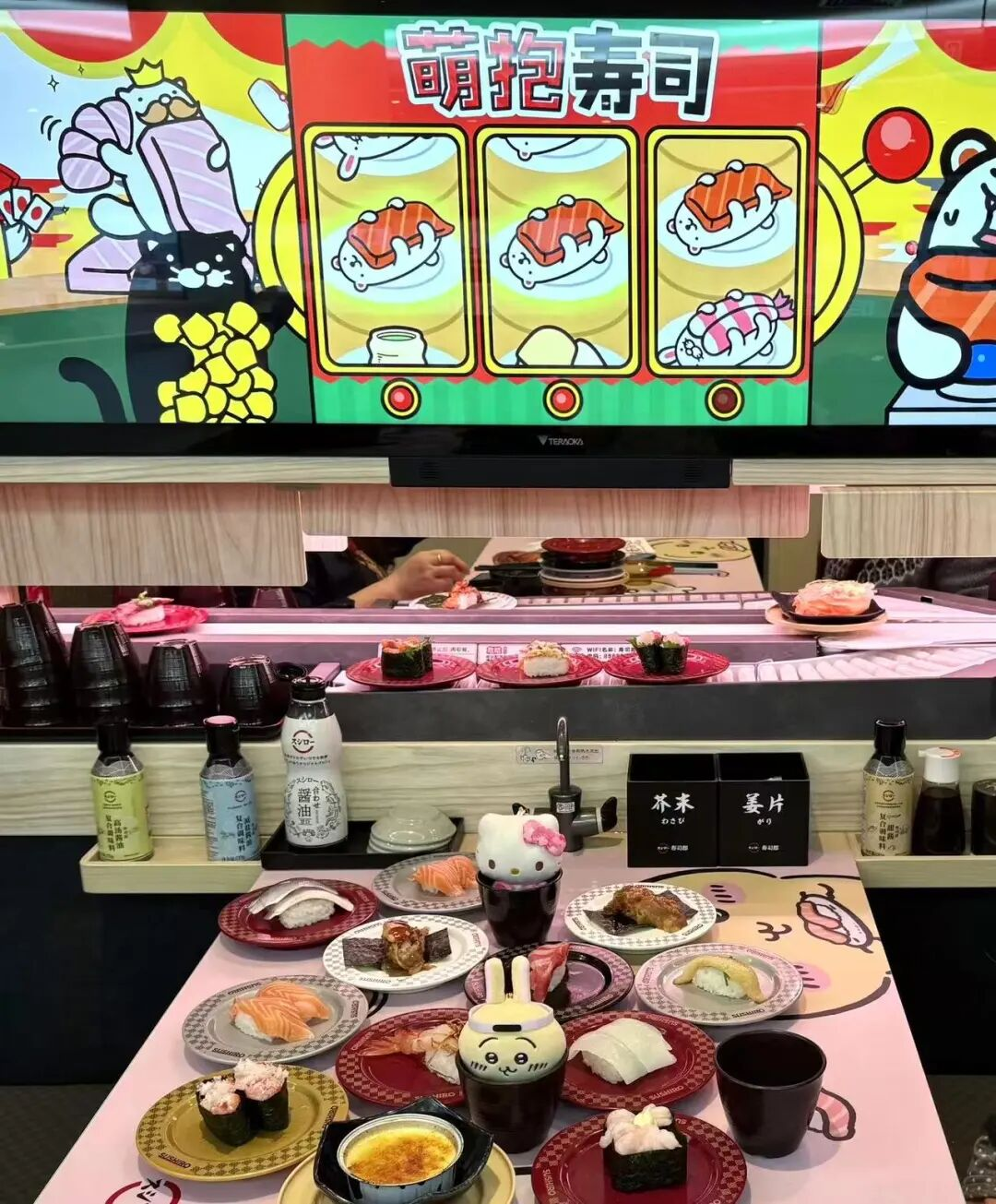
💡See how traditional catering is using automation and digital systems to survive and scale.
⚡ 30-Second TL;DR
What Changed
Major sushi brands are replacing traditional conveyor belts with automated delivery tracks and digital ordering screens.
Why It Matters
The adoption of automated service models in traditional catering demonstrates the broader trend of AI and robotics integration into daily service industries.
What To Do Next
Explore how your AI tools can optimize inventory and workflow for physical service-based businesses.
Key Points
- •Major sushi brands are replacing traditional conveyor belts with automated delivery tracks and digital ordering screens.
- •Automation helps maintain food safety and consistency while reducing labor costs in a competitive market.
- •Data-driven operations and IP-based interactive experiences are becoming key differentiators for mid-tier sushi brands.
🧠 Deep Insight
AI-generated analysis for this event — not the original article.
🔑 Enhanced Key Takeaways
- •The transition from traditional 'kaiten-zushi' (conveyor belt sushi) to 'high-speed lane' systems is primarily driven by the need to mitigate the severe labor shortages in Japan's aging demographic workforce.
- •Advanced sushi chains are integrating AI-powered demand forecasting systems that analyze weather, local events, and historical sales data to optimize ingredient procurement and reduce food waste.
- •The implementation of 'kura-sushi' style plate-return systems (sara-kura) utilizes automated sensors to track consumption in real-time, enabling gamified customer loyalty programs that increase per-visit spending.
- •Digital transformation in this sector has extended to kitchen-side robotics, including automated sushi rice ball (shari) forming machines and robotic arm systems for precise topping placement.
- •Cloud-based kitchen display systems (KDS) are being synchronized with customer mobile apps to provide real-time wait time estimates and remote queuing, significantly reducing physical congestion in restaurant lobbies.
📊 Competitor Analysis▸ Show
| Feature | Kura Sushi | Sushiro | Hama-Sushi |
|---|---|---|---|
| Delivery System | High-speed dual-lane | High-speed lane | High-speed lane |
| Ordering Tech | Tablet + Mobile App | Tablet + Mobile App | Tablet + Mobile App |
| Gamification | Bikkura Pon (Plate return) | Limited | Minimal |
| Pricing Strategy | Value-focused/Fixed | Value-focused/Dynamic | Value-focused/Low-cost |
🛠️ Technical Deep Dive
- Automated Delivery Tracks: Utilizes multi-tier conveyor systems with electromagnetic braking and high-speed motor controllers to ensure stable delivery of plates at speeds up to 30km/h.
- Plate Recognition Sensors: Employs infrared or RFID-based counting mechanisms integrated into the table slot to instantly update the POS system upon plate disposal.
- Kitchen Robotics: Sushi robots utilize pressure-sensitive rollers to mimic hand-pressing techniques, maintaining specific rice density and temperature (approx. 37°C) for optimal texture.
- Data Integration: Centralized ERP systems aggregate data from POS, KDS, and inventory sensors to trigger automated reordering of raw materials when stock levels hit predefined thresholds.
🔮 Future ImplicationsAI analysis grounded in cited sources
⏳ Timeline
Weekly AI Recap
Read this week's curated digest of top AI events →
👉Related Updates

AI-curated news aggregator. All content rights belong to original publishers.
Original source: 虎嗅 ↗
This is a summary, not the original. Read the source, or get the weekly briefing.
The weekly digest
One email a week. Unsubscribe anytime.