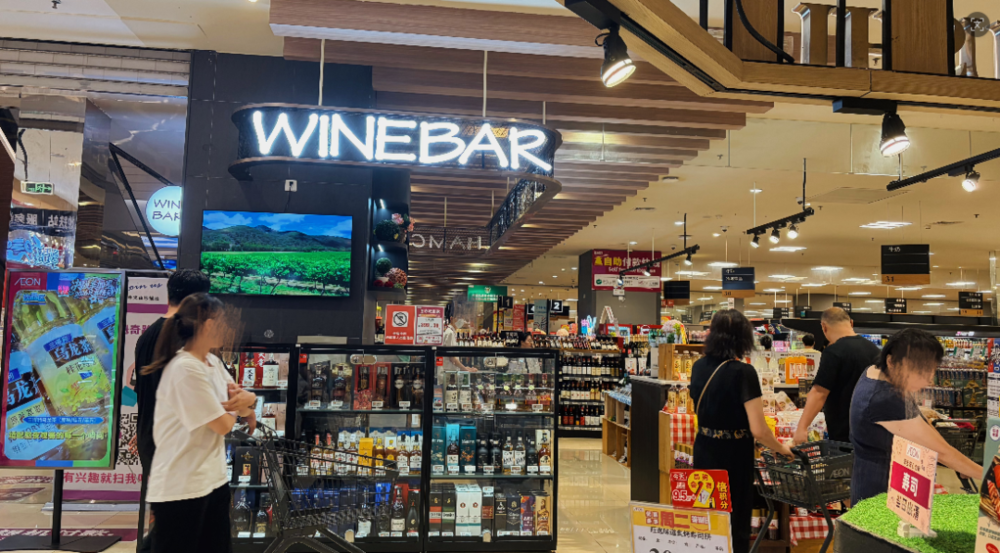
Supermarkets Pivot to 'Wine Bar' Concept for Growth
💡Learn how traditional retail is using experiential pivots to survive the digital era.
⚡ 30-Second TL;DR
What Changed
Supermarkets are introducing 'dine-and-drink' combinations to increase dwell time.
Why It Matters
Illustrates how traditional retailers are using experiential retail to combat digital disruption, though success remains uncertain.
What To Do Next
If working on retail tech, focus on optimizing inventory management for high-turnover, low-margin experiential products.
Key Points
- •Supermarkets are introducing 'dine-and-drink' combinations to increase dwell time.
- •Limited SKUs and lack of scale make it difficult to compete with professional liquor stores.
- •The strategy is a defensive move against online retail, aiming to enhance physical store experience.
- •Consumer acceptance of drinking in supermarkets remains inconsistent compared to social media hype.
🧠 Deep Insight
AI-generated analysis for this event — not the original article.
🔑 Enhanced Key Takeaways
- •Supermarkets are increasingly utilizing 'Retail-tainment' strategies, integrating sommelier-led tasting events to convert casual shoppers into high-margin wine club members.
- •Regulatory hurdles regarding liquor licensing for retail spaces vary significantly by region, often requiring separate permits for 'on-premise' consumption versus 'off-premise' retail sales.
- •Data analytics integration at these wine bars allows supermarkets to track real-time consumption preferences, which are then used to optimize shelf-space allocation for high-turnover SKUs.
- •The 'Wine Bar' model is frequently paired with private-label (PL) wine expansion, allowing supermarkets to bypass traditional distribution markups and improve unit economics.
- •Supply chain logistics for these bars require cold-chain management and specialized inventory systems that differ from standard dry-goods grocery operations.
📊 Competitor Analysis▸ Show
| Feature | Supermarket Wine Bars | Specialized Liquor Stores | Convenience/Delivery Apps |
|---|---|---|---|
| Pricing | Mid-range (Value-focused) | Premium/Niche | Competitive/Dynamic |
| Experience | High Dwell Time | Expert Consultation | Speed/Convenience |
| Inventory | Limited/Curated | Extensive/Rare | Broad/On-demand |
| Benchmarks | Foot traffic conversion | Customer Lifetime Value | Delivery speed (minutes) |
🔮 Future ImplicationsAI analysis grounded in cited sources
⏳ Timeline
Weekly AI Recap
Read this week's curated digest of top AI events →
👉Related Updates

AI-curated news aggregator. All content rights belong to original publishers.
Original source: 虎嗅 ↗
This is a summary, not the original. Read the source, or get the weekly briefing.
The weekly digest
One email a week. Unsubscribe anytime.