Stanford Nanopore Platform Enters Elite Unis
💡ML-boosted nanopore sequencing + neuromorphic potential nears clinic
⚡ 30-Second TL;DR
What Changed
Pre-A round of tens of millions RMB led by Lenovo Ventures
Why It Matters
Disrupts gene sequencing market with lower costs and faster diagnostics, accelerating precision medicine. Opens doors for AI in single-molecule analysis and neuromorphic hardware.
What To Do Next
Test SpectAlpha-generated sequencing data to train custom genomics ML models.
Key Points
- •Pre-A round of tens of millions RMB led by Lenovo Ventures
- •SpectAlpha detector + intelligent software released June 2025
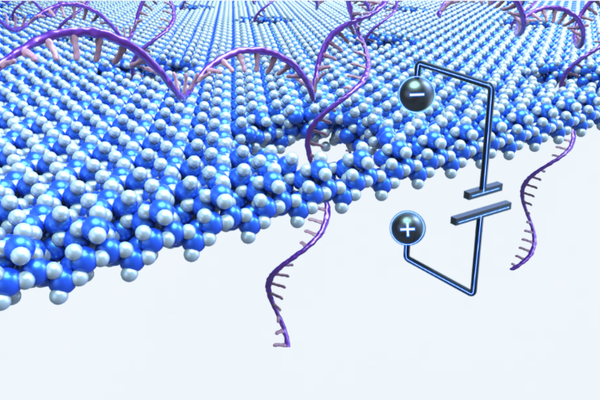
- •Wafer-scale 1-100nm nanopore arrays for mass production
- •1000+ clinical samples validated, entering joint approvals
- •ML training improves DNA sequencing; neuromorphic ion memristors eyed
🧠 Deep Insight
AI-generated analysis for this event — not the original article.
🔑 Enhanced Key Takeaways
- •Insight Tech's solid-state nanopore technology utilizes CMOS-compatible fabrication processes, allowing for the integration of high-density sensor arrays directly onto silicon wafers to reduce per-sample costs compared to traditional biological nanopore membranes.
- •The company's strategic focus on 'neuromorphic ion memristors' aims to mimic biological synaptic behavior, potentially enabling real-time, low-power signal processing directly at the sensor interface to bypass traditional data bottlenecking in high-throughput sequencing.
- •Beyond pathogen detection, the SpectAlpha platform is being positioned for liquid biopsy applications, leveraging the high signal-to-noise ratio of solid-state pores to detect low-abundance circulating tumor DNA (ctDNA) fragments.
📊 Competitor Analysis▸ Show
| Feature | Insight Tech (SpectAlpha) | Oxford Nanopore (PromethION) | Pacific Biosciences (Revio) |
|---|---|---|---|
| Pore Type | Solid-state (Silicon Nitride) | Biological (Protein) | SMRT (Zero-mode waveguide) |
| Primary Advantage | Durability/Scalability | Long-read capability | High accuracy (HiFi) |
| Clinical Focus | Rapid Pathogen/Point-of-Care | Large-scale Genomics | Human Genome/Rare Disease |
| Cost Profile | Low (Wafer-scale mfg) | Moderate | High |
🛠️ Technical Deep Dive
- Nanopore Architecture: Utilizes wafer-scale fabrication to create arrays of 1-100nm solid-state pores, offering superior mechanical and thermal stability compared to biological lipid-bilayer nanopores.
- Signal Processing: Employs a proprietary machine learning pipeline that performs real-time basecalling and noise reduction, specifically optimized for the high-frequency ionic current fluctuations characteristic of solid-state pores.
- Neuromorphic Integration: Research focus on ion-based memristive devices that act as both the sensing element and the processing unit, potentially reducing the latency of data transmission between the detector and the host computer.
🔮 Future ImplicationsAI analysis grounded in cited sources
⏳ Timeline
Weekly AI Recap
Read this week's curated digest of top AI events →
👉Related Updates
AI-curated news aggregator. All content rights belong to original publishers.
Original source: 36氪 ↗
This is a summary, not the original. Read the source, or get the weekly briefing.
The weekly digest
One email a week. Unsubscribe anytime.