Spotting AI-Generated Fake Videos
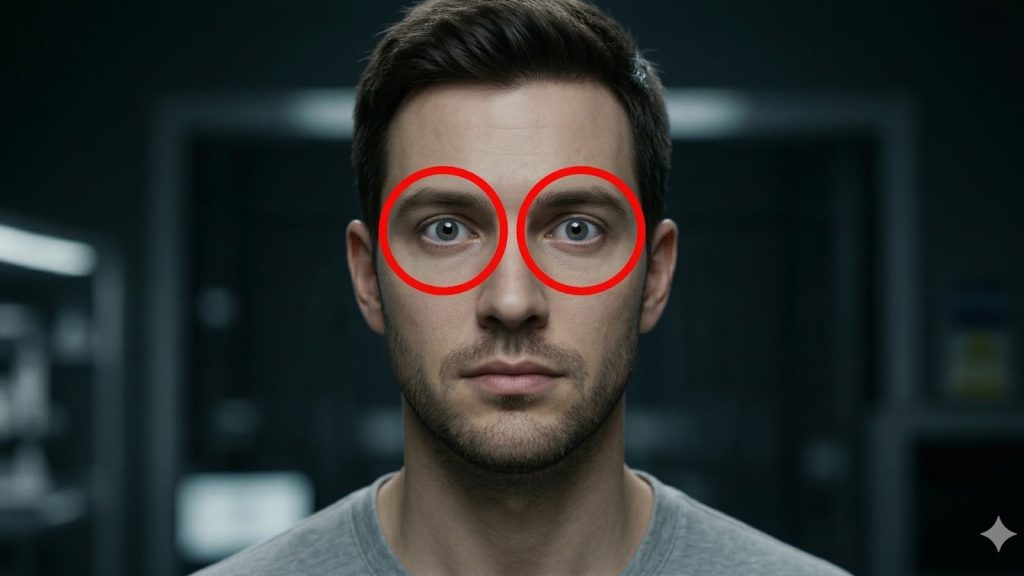
💡Master deepfake detection as AI videos become indistinguishable from real
⚡ 30-Second TL;DR
What Changed
AI video realism approaching real footage quality
Why It Matters
Boosts trust in video content for AI applications; aids developers in building robust verification systems amid rising deepfakes.
What To Do Next
Test video samples for common AI artifacts like inconsistent lighting or unnatural movements.
Key Points
- •AI video realism approaching real footage quality
- •Need practical methods to identify fakes
- •Closing gap demands better detection tools
🧠 Deep Insight
Background and context from public sources — not the original article. 6 sources cited.
🔑 Enhanced Key Takeaways
- •Forensic AI detects deepfakes by identifying artifacts like inconsistent skin texture, unnatural blinking, lighting anomalies, and edge distortions around hairlines or ears.[2]
- •Multi-modal cross-verification analyzes audio and video simultaneously to catch lip-sync mismatches, environmental inconsistencies, and lighting discrepancies, outperforming single-channel methods.[2]
- •C2PA provenance verification uses cryptographic signing at capture to create tamper-evident chains, supported by Adobe, Sony, and Leica, though platforms like X often strip metadata.[6]
- •YouTube's likeness detection tool, expanded in March 2026 to politicians, journalists, and officials, allows flagging and removal of unauthorized AI-generated content mimicking their faces.[5]
🛠️ Technical Deep Dive
- •Neural networks trained on millions of synthetic and real samples power forensic AI, focusing on subtle generation artifacts such as skin texture inconsistencies and unnatural eye blinking patterns.[2]
- •Multi-modal detection employs simultaneous audio-video analysis to identify mismatches in lip-sync timing, background sounds, and lighting directions between modalities.[2]
- •C2PA implements cryptographic metadata signing for content provenance, embedding tamper-evident credentials at creation, verifiable via external tools despite platform stripping.[6]
- •YouTube's likeness detection uses AI to scan for simulated faces in videos, akin to Content ID for copyrights, targeting deepfakes of public figures.[5]
🔮 Future ImplicationsAI analysis grounded in cited sources
⏳ Timeline
📎 Sources (6)
Factual claims are grounded in the sources below. Forward-looking analysis is AI-generated interpretation.
- momentslab.com — What Is AI Video Discovery an Updated Guide for 2026
- uncovai.com — Deepfake Detection Methods 2026
- omnilert.com — Video Analytics Key Benefits and Uses
- ambient.ai — AI Video Analytics in Physical Security
- TechCrunch — Youtube Expands AI Deepfake Detection to Politicians Government Officials and Journalists
- missioncloud.com — How to Detect Deepfakes in 2026
Weekly AI Recap
Read this week's curated digest of top AI events →
👉Related Updates
AI-curated news aggregator. All content rights belong to original publishers.
Original source: TechCabal ↗
This is a summary, not the original. Read the source, or get the weekly briefing.
Weekly AI briefing
One email a week. Unsubscribe anytime.