SpaceX Selects NVIDIA GPUs Exclusively for Space AI
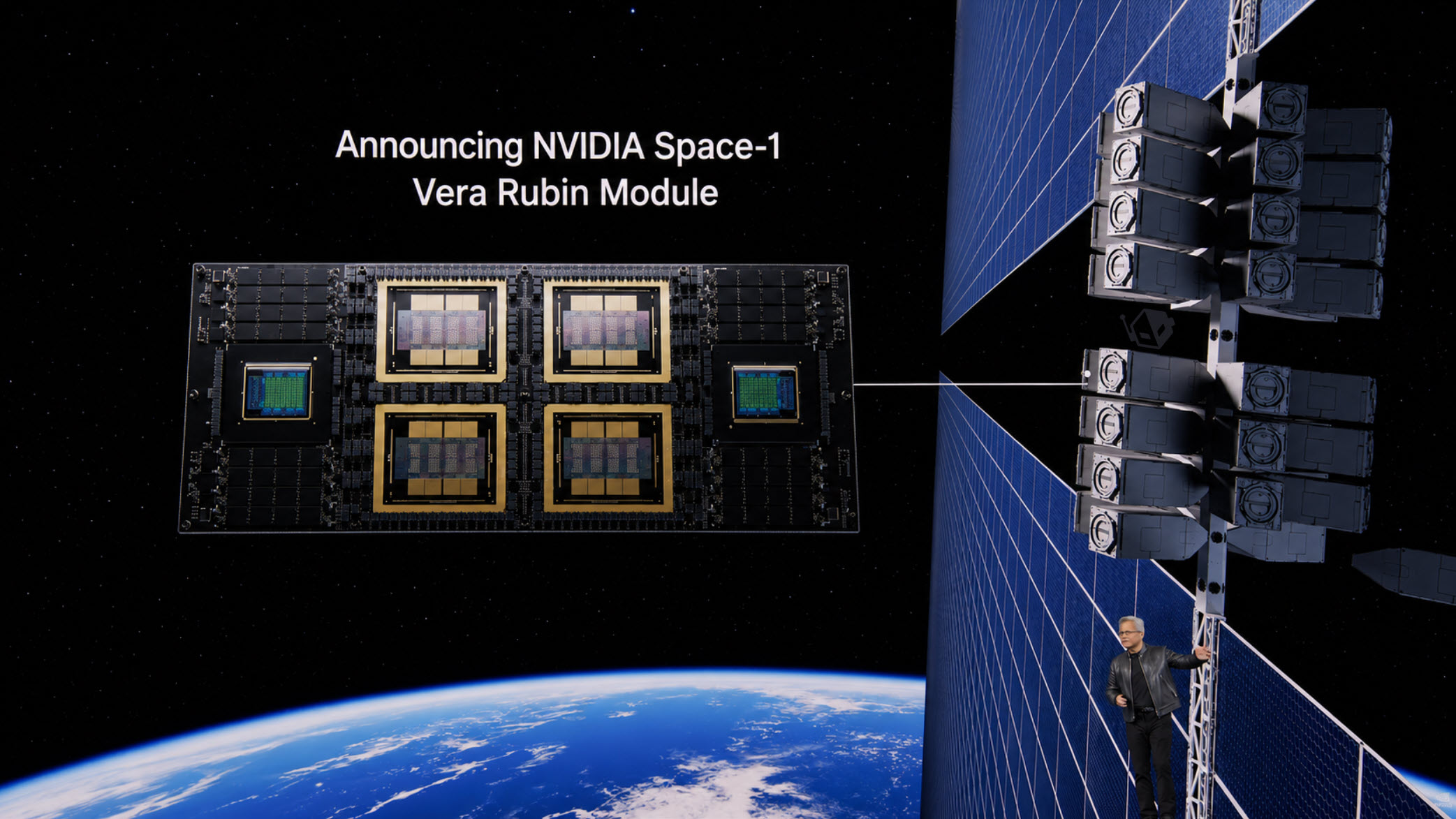
SpaceX's exclusive NVIDIA decision signals where high-end AI infrastructure demand may be heading.
30-Second TL;DR
What Changed
SpaceX has formally chosen NVIDIA as its exclusive AI GPU supplier.
Why It Matters
The move could further strengthen NVIDIA's position in high-performance AI infrastructure and signal strong demand for GPUs in unconventional environments such as space. For AI companies, it also highlights the importance of GPU ecosystem maturity and deployment reliability.
What To Do Next
Benchmark your CUDA-based workloads against alternative accelerators before committing to an exclusive GPU deployment strategy.
Key Points
- •SpaceX has formally chosen NVIDIA as its exclusive AI GPU supplier.
- •The decision covers all of SpaceX's AI computing requirements.
- •Musk described NVIDIA GPUs as the best products currently available.
Deep Insight
AI-generated analysis for this event — not the original article.
Enhanced Key Takeaways
- •SpaceX is integrating NVIDIA's Blackwell architecture GPUs to power autonomous navigation and real-time data processing for the Starship launch vehicle.
- •The partnership extends to the Starlink satellite constellation, utilizing NVIDIA's edge computing modules to perform on-orbit data analysis and reduce latency for ground-based AI services.
- •SpaceX is leveraging NVIDIA's Omniverse platform to create high-fidelity digital twins of its launch sites and spacecraft for predictive maintenance and simulation-based training.
- •This exclusive agreement includes a collaborative R&D effort to develop radiation-hardened AI hardware capable of withstanding the extreme thermal and electromagnetic environments of deep space.
- •The AI infrastructure will support SpaceX's 'Starshield' program, enhancing the autonomous capabilities and threat detection systems for government and defense satellite missions.
Competitor Analysis
- NVIDIA (SpaceX Choice)
- CUDA (Industry Standard)
- AMD (Instinct/Versal)
- ROCm (Growing)
- Intel (Gaudi/FPGA)
- OneAPI (Open)
- NVIDIA (SpaceX Choice)
- High (Blackwell/Orin)
- AMD (Instinct/Versal)
- Moderate (Versal Adaptive)
- Intel (Gaudi/FPGA)
- High (Radiation-Tolerant FPGAs)
- NVIDIA (SpaceX Choice)
- Leading (Training/Inference)
- AMD (Instinct/Versal)
- Competitive (Inference)
- Intel (Gaudi/FPGA)
- Niche (Efficiency)
- NVIDIA (SpaceX Choice)
- Deep (Omniverse/AI Enterprise)
- AMD (Instinct/Versal)
- Moderate
- Intel (Gaudi/FPGA)
- Low
| Feature | NVIDIA (SpaceX Choice) | AMD (Instinct/Versal) | Intel (Gaudi/FPGA) |
|---|---|---|---|
| Ecosystem | CUDA (Industry Standard) | ROCm (Growing) | OneAPI (Open) |
| Space Readiness | High (Blackwell/Orin) | Moderate (Versal Adaptive) | High (Radiation-Tolerant FPGAs) |
| AI Performance | Leading (Training/Inference) | Competitive (Inference) | Niche (Efficiency) |
| Integration | Deep (Omniverse/AI Enterprise) | Moderate | Low |
Technical Deep Dive
- Deployment of NVIDIA Blackwell B200 GPUs for ground-based training of large-scale orbital mechanics models.
- Utilization of NVIDIA Jetson Orin modules for edge AI processing directly on Starlink satellites to enable autonomous collision avoidance.
- Implementation of NVIDIA TensorRT for optimizing inference latency in real-time flight control software.
- Integration of high-bandwidth memory (HBM3e) to handle massive telemetry data streams during Starship re-entry and landing sequences.
Future ImplicationsAI analysis grounded in cited sources
Timeline
- 2022-03SpaceX begins initial testing of NVIDIA Jetson modules for satellite edge computing.
- 2024-05SpaceX expands use of NVIDIA Omniverse for Starship launch simulation and digital twin modeling.
- 2025-11SpaceX announces the Starshield AI initiative, signaling a shift toward autonomous defense satellite operations.
- 2026-07Elon Musk confirms the exclusive supply agreement with NVIDIA for all AI-related computing infrastructure.
Weekly AI Recap
Read this week's curated digest of top AI events →
Related Updates
AI-curated news aggregator. All content rights belong to original publishers.
Original source: cnBeta (Full RSS) ↗
This is a summary, not the original. Read the source, or get the weekly briefing.
The weekly digest
One email a week. Unsubscribe anytime.